
Sweetgum Tree Flowers: Blooming Tips & Identification Guide

When I first started paying closer attention to the trees around my neighborhood, the sweetgum, or Liquidambar styraciflua, really caught my eye. It’s a tree that seems to get a lot of attention, and not always for the best reasons, mostly due to those spiky seed balls it produces. But before those infamous “gumballs” show up, the sweetgum puts on a display of flowers that are quite interesting in their own right. These aren’t the showy, brightly colored blossoms you might find on a dogwood or cherry tree. Instead, sweetgum flowers are more subtle, a part of the tree’s overall life cycle that’s easy to overlook if you’re not looking closely.
Introduction to Sweetgum Tree Flowers
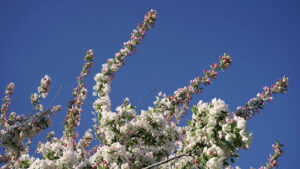
When I first started paying closer attention to the trees around my neighborhood, the sweetgum, or Liquidambar styraciflua, really caught my eye. It’s a tree that seems to get a lot of attention, and not always for the best reasons, mostly due to those spiky seed balls it produces. But before those infamous “gumballs” show up, the sweetgum puts on a display of flowers that are quite interesting in their own right. These aren’t the showy, brightly colored blossoms you might find on a dogwood or cherry tree. Instead, sweetgum flowers are more subtle, a part of the tree’s overall life cycle that’s easy to overlook if you’re not looking closely.
These flowers are actually quite important for the tree’s reproduction and for the local ecosystem. They serve as an early food source for pollinators and other small creatures. The sweetgum tree is monoecious, meaning it has both male and female flowers on the same tree, which is a common trait among many plants. Understanding these flowers is key to appreciating the full story of the sweetgum, beyond just its fall foliage and those prickly fruits. It’s a tree with a rich history and a significant role in its environment. For those interested in the finer details of American sweetgum trees, there’s a lot to discover.
Here’s a quick look at what to expect:
- Timing: Sweetgum flowers typically appear in early to mid-spring, often around the same time the leaves begin to emerge.
- Appearance: They are small and not particularly showy, appearing in clusters.
- Function: Their primary role is reproduction, leading to the development of the characteristic seed balls.
While many people focus on the dramatic fall colors or the sometimes-problematic seed balls, the flowering stage of the sweetgum is a quieter, yet vital, period in its annual cycle. It’s a time when the tree is preparing for the next generation and supporting early-season wildlife.
It’s easy to dismiss the sweetgum’s blooms as insignificant, but they are a fascinating part of this common North American tree. They signal the start of new growth and are an integral part of the tree’s life, even if they don’t grab the spotlight like a rose or a tulip.
Sweetgum Tree Flowers: Blooming Season and Timing
When do sweetgum trees actually bloom? I’ve noticed mine starts to show its flowers around early to mid-spring, usually as the leaves are just starting to unfurl. This typically falls between March and May, depending on how mild or harsh the winter was in my area. It’s a subtle show, not like the big, showy blossoms you might see on other trees. The male flowers, which appear in clusters on thick stalks, are quite small. The female flowers are also small and form dangling clusters.
The timing of the bloom is closely tied to the emergence of the tree’s distinctive star-shaped leaves.
Here’s a general timeline I’ve observed:
- Early Spring (March-April): This is when the male flower clusters begin to appear. They’re often greenish or yellowish and can be quite numerous. The female flowers also start to develop around this time.
- Mid-Spring (April-May): By this point, both male and female flowers are usually present. The female flowers will begin their transformation into the familiar spiky ‘gumballs’ later in the season.
It’s interesting to note that while the flowers themselves aren’t the main attraction for many people, they are vital for the tree’s reproduction. They also provide an early nectar source for some pollinators, like hummingbirds. It’s a quiet but important event in the tree’s annual cycle, setting the stage for the development of the seed balls that follow. If you’re looking for other spring blooms, consider planting a black cherry seedling for its fragrant white flowers.
The flowering period is relatively brief, and the flowers themselves are not particularly showy. Their primary role is reproductive, and they appear inconspicuously as the tree’s foliage begins to emerge, making them easy to overlook if you’re not specifically looking for them.
Male and Female Sweetgum Tree Flowers: Identification Tips
When you look at a sweetgum tree, you might notice that it has two types of flowers, male and female, and they look quite different. It’s interesting to see how nature handles reproduction in these trees. The male and female flowers are found on the same tree, but they appear in separate clusters. This is a common setup in many plants.
The male flowers are pretty small and gather in large numbers. You’ll see them on upright stalks, forming tight, rounded clusters. They tend to be a greenish-yellow color. These clusters appear above the branches, and they’re the ones responsible for producing pollen.
On the other hand, the female flowers are a bit more distinct. They form single, dangling clusters that are round and about half an inch across. These are the flowers that, if pollinated, will eventually develop into the familiar spiky seed balls, or ‘gumballs,’ that sweetgum trees are known for. These female clusters hang down from a slender stalk.
Here’s a quick way to tell them apart:
- Male Flowers:
- Found in upright, rounded clusters.
- Greenish-yellow in color.
- Appear in large numbers on thick stalks.
- Female Flowers:
- Form single, dangling, spherical clusters.
- Typically appear on a slender stalk.
- These develop into the spiky fruit.
It’s worth noting that the timing of these flowers is usually in early to mid-spring, often appearing as the tree’s leaves are just starting to emerge. So, if you’re looking to identify them, spring is definitely the season to pay attention. It’s a fascinating part of the sweetgum’s life cycle, and understanding these differences helps appreciate the tree’s reproductive strategy. You can find more details on various plant species and their unique characteristics.
Pollination and Seed Development in Sweetgum Trees
After the male and female flowers have done their part, the real magic of reproduction begins. For sweetgum trees, this means pollination and the subsequent development of those familiar, spiky seed balls. The process is pretty straightforward, but understanding it helps appreciate the tree’s life cycle.
Pollination in sweetgum trees is primarily wind-driven. The lightweight pollen from the male flower clusters is carried by the breeze to the female flower clusters. For successful pollination to occur, the pollen needs to land on the sticky stigmas of the female flowers. Once this happens, fertilization can take place, and the development of the fruit, or seed ball, begins.
Here’s a look at the stages involved:
- Fertilization: After pollination, the ovules within the female flower are fertilized, initiating the growth of the seed.
- Fruit Development: The fertilized ovaries swell and mature into the woody, star-shaped capsules we know as sweetgum balls. These fruits contain multiple seeds.
- Seed Maturation: Over the summer and into the fall, the seeds inside the balls ripen. The balls themselves also mature, becoming hard and spiky.
- Dispersal: Come autumn and winter, the mature seed balls split open, releasing the small, winged seeds. These seeds are then carried by the wind, hopefully to find a suitable spot to germinate.
It’s interesting to note that cross-pollination tends to be much more productive than self-pollination. Studies have shown that trees receiving pollen from another sweetgum tree can produce significantly more seeds per fruit compared to those relying solely on their own pollen. For instance, some research indicates that cross-pollination can yield around 46 seeds per fruit, while self-pollination might only result in about 2 seeds per fruit. This highlights the importance of having multiple sweetgum trees in an area for robust seed production. You can find more details on tree reproduction.
The transformation from a delicate flower to a mature seed ball is a testament to the tree’s reproductive strategy. While the balls might seem like a nuisance to some, they are a vital part of the sweetgum’s continuation, providing food for wildlife and a means for new trees to sprout.
Environmental Factors Affecting Sweetgum Tree Flowering
When I look at my sweetgum tree, I often wonder what makes it decide to bloom when it does. It’s not just a random event, you know. Several things in its environment play a big role. For starters, sunlight is a major player. These trees really thrive in full sun, meaning they need at least six hours of direct, unfiltered light each day. If they don’t get enough sun, their flowering can be pretty weak, or sometimes, they might skip blooming altogether. It’s like they’re saying, “Not enough energy today!”
Temperature also matters quite a bit. While sweetgums are pretty hardy, extreme cold snaps or unusually warm spells during their budding period can mess with the flower development. I’ve noticed that a mild winter followed by a warm spring seems to encourage a good bloom. On the flip side, a late frost can be a real problem, damaging those delicate flower buds before they even have a chance to open. It’s a delicate balance, for sure.
Soil conditions are another factor I pay attention to. Sweetgums aren’t super picky, but they do prefer moist, well-drained soil. If the soil is too dry for too long, especially during the spring when they’re trying to put out flowers, it can stress the tree. I try to make sure mine stays consistently watered, particularly during dry spells. They also have a preference for slightly acidic soil; if the soil pH gets too high, it can lead to issues like iron chlorosis, which can weaken the tree and affect its flowering. It’s interesting how much the ground beneath them influences what happens above.
The timing and intensity of sweetgum tree flowering are directly influenced by a combination of adequate sunlight, favorable temperatures during the critical budding and blooming phases, and appropriate soil moisture and pH levels. Disruptions in these environmental conditions can lead to reduced bloom or even a complete lack of flowers for the season.
Here’s a quick rundown of what influences their blooms:
- Sunlight: Needs at least 6 hours of direct sun daily for best flowering.
- Temperature: Consistent, mild spring temperatures are ideal; late frosts can be damaging.
- Soil Moisture: Prefers consistently moist, well-drained soil; drought stress can reduce blooms.
- Soil pH: Prefers slightly acidic conditions; high pH can cause nutrient deficiencies affecting flower production.
I’ve also read that things like wind and even the presence of certain pests or diseases can indirectly affect flowering. A tree that’s constantly battling scale insects or dealing with a fungal issue might not have the energy to produce a good flower display. It’s all connected, isn’t it? Keeping the tree healthy overall is probably the best way to ensure a nice bloom each year. For more on tree health, you can check out tree care information.
It’s quite a complex system, and I find it fascinating to observe how these environmental factors come together to create the sweetgum’s annual floral show. It makes me appreciate the tree even more when I understand what it takes for it to bloom.
Common Challenges in Sweetgum Tree Flowering
While I appreciate the beauty and ecological role of sweetgum trees, I’ve noticed a few common issues that can affect their flowering and overall health. It’s not always smooth sailing with these trees, and sometimes they present us with a few problems.
One of the most talked-about challenges, and frankly, one I’ve dealt with myself, is the sheer abundance of the spiky seed pods, often called ‘gumballs’. While they are a natural part of the tree’s reproductive cycle, they can become quite a nuisance. They litter lawns, can be a tripping hazard, and are generally a pain to clean up. This mess is a primary reason some people avoid planting sweetgums, especially near walkways or patios.
Beyond the gumballs, there are other potential hurdles. Pests can sometimes be an issue. I’ve seen scale insects, which can look like little bumps on the branches, and occasionally, fall webworms or tent caterpillars can build unsightly nests. These can weaken the tree and detract from its appearance.
Diseases are another concern. Cankers can form, especially on stressed or wounded trees, leading to sunken areas on the bark and potential branch dieback. Fungal leaf spot diseases, like Cercospora, can also cause unsightly spots on the leaves and lead to premature leaf drop, which is disappointing when you’re looking forward to that vibrant fall color.
Here are a few things I keep an eye out for:
- Pest Infestations: Regularly inspect branches and leaves for signs of scale, webworms, or caterpillars.
- Disease Symptoms: Look for unusual spots on leaves, cankers on the bark, or wilting branches.
- Environmental Stress: Ensure the tree is getting adequate water and sunlight, as stress can make it more susceptible to pests and diseases.
Sometimes, the very characteristics that make a sweetgum tree unique, like its distinctive bark or the way its branches grow, can also make it vulnerable. For instance, the corky flanges on younger branches can accumulate ice and snow, leading to breakage during winter storms. It’s a trade-off, I suppose, between unique form and resilience.
If you’re dealing with persistent problems, it’s often best to consult with a certified arborist. They can help diagnose issues and recommend the best course of action, whether it’s pest management or disease treatment. For those looking to avoid the seed pod issue altogether, I’ve read that there are fruitless varieties available, though sometimes even these can produce pods if the root stock is a common sweetgum. It’s worth looking into growing sweetgum trees from seed pods if you’re interested in starting with a seedling, but be aware of the potential for fruit production down the line.
Seasonal Care Tips for Sweetgum Trees
Taking care of a sweetgum tree throughout the year isn’t too complicated, but a little attention at the right times can make a big difference. I’ve found that being proactive with a few simple tasks helps keep my tree healthy and looking its best.
When it comes to pruning, I aim to do it in late winter or early spring, just before the tree starts putting out new leaves. This is the best time to shape the tree, remove any dead or damaged branches, and generally tidy it up. It’s also a good time to check for those interesting, wing-like growths on younger branches – sometimes they can accumulate snow and ice, so trimming them back can prevent damage.
Here’s a quick rundown of what I focus on each season:
- Spring: Keep an eye out for any signs of pests like scale insects or caterpillars. Early detection is key. Also, make sure the soil around the base is moist, especially if we’ve had a dry spell.
- Summer: Water regularly, particularly during hot, dry periods. While sweetgums are fairly tough, consistent moisture helps them thrive. I also like to give the trunk a good look for any unusual spots or damage.
- Fall: This is when the sweetgum really shines with its amazing leaf colors. I usually let the leaves fall naturally, but I do rake them up from areas where I don’t want them to accumulate, like walkways or garden beds. The spiky seed balls, or ‘gumballs’, also start dropping now. While they can be a bit of a nuisance, I sometimes collect them for crafting or to use as a loose mulch in certain spots.
- Winter: This is the prime time for any structural pruning. I also take this opportunity to inspect the bark and branches more closely, looking for any issues that might have developed over the year.
I’ve learned that understanding the tree’s natural cycles is the most important part of caring for it.
Sometimes, you might notice issues like iron chlorosis, which shows up as yellowing leaves, especially if the soil pH is too high. If I see this, I might consider amending the soil or using a specific fertilizer to help the tree absorb nutrients better. For more serious problems, like cankers or widespread pest infestations, I don’t hesitate to call in a certified arborist. It’s better to get professional help than to let a small issue turn into a big one.
Appreciating the Beauty and Function of Sweetgum Tree Flowers
While the spiky gumballs often get all the attention, and let’s be honest, sometimes for good reason, I’ve come to appreciate the sweetgum tree for more than just its autumn show or its, shall we say, ‘unique’ seed dispersal system. The flowers themselves, though small and not showy like a magnolia or a rose, play a vital role. They appear in early to mid-spring, often as the leaves are just starting to unfurl. These aren’t the kind of blooms you’d cut for a vase, but they are important for the ecosystem.
These flowers are a food source for a variety of creatures. Ruby-throated hummingbirds and other nectar feeders visit them in the spring. Plus, the sweetgum is a host plant for over 30 species of butterflies and moths, including the luna moth and the promethea moth. It’s pretty neat to think about these delicate insects relying on this tree for their life cycle.
The sweetgum’s flowers, though subtle, are a sign of the tree’s active participation in the local environment. They signal the start of new growth and provide early sustenance for pollinators and insects, setting the stage for the summer’s greenery and the autumn’s vibrant leaf display. It’s a quiet but important contribution.
Here’s a quick look at what the flowers offer:
- Nectar Source: Provides early spring nectar for hummingbirds and other small birds.
- Host Plant: Supports the larval stages of numerous butterfly and moth species.
- Pollination: Facilitates the tree’s own reproductive cycle, leading to the development of the characteristic gumballs.
It’s easy to overlook these small, clustered flowers, especially when you’re anticipating the fall colors or trying to dodge the spiky fruits. But taking a moment to notice them reveals another layer of the sweetgum’s contribution to the natural world. They are a quiet testament to the tree’s place in the broader web of life, supporting biodiversity in ways that aren’t always obvious at first glance.
Sweetgum trees have pretty, small flowers that are both beautiful and useful. These blooms are important for nature and add a special touch to the tree. Want to learn more about trees and how to care for them? Visit our website for expert advice and services!
Frequently Asked Questions
When do sweetgum trees usually bloom?
I’ve noticed that sweetgum trees typically start to bloom in the spring, usually between March and May. This is often around the same time their leaves begin to appear. The flowers themselves are quite small and appear in clusters.
How can I tell the difference between male and female sweetgum flowers?
From my observations, the male flowers are generally found in larger clusters on upright stalks that sit above the branches. The female flowers, on the other hand, form smaller, dangling clusters. Both types grow on the same tree.
What are those spiky balls that sweetgum trees produce?
Those spiky balls are actually the fruits of the sweetgum tree. They contain many tiny seeds inside. While they can be a bit messy, squirrels and birds often enjoy eating the seeds from them.
Can I plant seeds from the sweetgum balls to grow a new tree?
Yes, I’ve learned that the spiky balls do contain seeds. If you want to try growing a new tree, you should collect the balls when they are brown but not completely dried out. You can then collect the seeds, give them a cold period in the refrigerator for a few months, and then plant them in pots.
Are there sweetgum trees that don’t produce the spiky balls?
I understand that some people prefer sweetgum trees without the fruit. There are varieties, like ‘Rotundiloba,’ that are specifically grown to be fruitless or produce very few seed pods. These often have rounded leaves instead of the typical pointed ones.
What kind of conditions do sweetgum trees prefer for flowering?
Based on my research, sweetgum trees do best when they have plenty of sunlight. I recommend planting them in a spot that gets at least six hours of direct, unfiltered sun each day. They also seem to like moist, well-drained soil.
Request a Quote
Our Services


