
Who Is Responsible For Cutting Overhanging Tree Branches in Florida
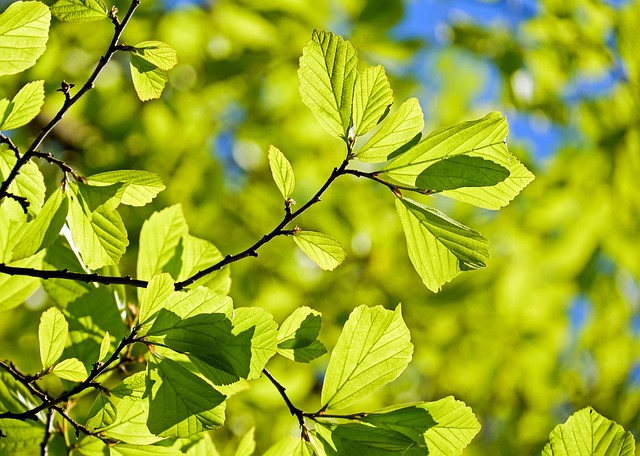
In Florida, trees add beauty and value to our neighborhoods, but they can also create some tricky situations—especially when branches grow past a property line.
Defining Who Is Responsible For Cutting Overhanging Tree Branches in Florida
When it comes to “who is responsible for cutting overhanging tree branches in Florida,” the basic rule is that you, as the property owner, are responsible for trimming any branches that extend onto your property, even if the tree itself is growing next door. This seems simple, but there are important details you need to know.
Here’s how responsibility generally shakes out:
- If the branch or root extends across the property line onto your land, you can trim it back to the boundary—at your own expense.
- You must make sure that trimming does not harm the tree itself. Causing serious damage can lead to legal or financial problems for you.
- Entering a neighbor’s property to trim branches is not allowed without their approval.
- If the tree is right on a property line (a boundary tree), both neighbors likely share responsibility for maintenance and decisions about trimming.
Florida law is built around common sense and reducing neighbor disputes. The owner of the land where the tree trunk sits is generally the tree’s legal owner and caretaker. If overgrowth causes problems—like blocked sunlight, fallen leaves, or even fruit dropping—trimming is your right, as long as you don’t cross property lines.
Sometimes, what looks like a neighbor’s responsibility actually falls to us. Before cutting branches or starting a conversation, it helps to know exactly what’s yours to handle and what isn’t.
When in doubt, communication with your neighbor is the best approach. This prevents misunderstandings and helps everyone keep their yards looking nice without hard feelings. If things are complicated—say, the tree is on a shared line, or the trimming needed seems risky—consider bringing in a professional or checking your local ordinances. “Who is responsible for cutting overhanging tree branches in Florida?” isn’t always black and white, but sticking to the basics will point you in the right direction.
Florida Common Law For Who Is Responsible For Cutting Overhanging Tree Branches in Florida Is Decided
When it comes to overhanging tree branches in Florida, the law is much clearer than you might expect. Florida common law basically says that if branches from your neighbor’s tree extend over your property line, it’s on you to deal with them—at your own expense. The neighbor isn’t on the hook for trimming them or for damage their healthy branches or roots might cause while they remain attached to their tree. This might sound a bit lopsided, but it’s how Florida courts have kept legal squabbles from turning every falling leaf into a lawsuit.
Here’s how it usually works under Florida law:
- If a branch or root from your neighbor’s tree crosses your property line, you have the clear legal right to trim it back to the line.
- All trimming must be done at your own expense—you cannot demand that your neighbor pay for it unless damage is caused by dead branches.
- The branches or roots you cut need to be healthy. If you damage or kill the tree with improper trimming, you could be responsible for the cost of the tree.
If you’re looking for specifics, you can always refer to the Florida statutes on tree trimming rights and responsibilities. For instance, did you know you are legally allowed to trim branches and limbs of a neighbor’s tree that extend past your property line? I’ve seen that having clear boundaries keeps things neighborly, even when nature gets pushy. (legally allowed to trim branches)
If you take matters into your own hands, always stay on your side of the property line. Don’t cross over—that’s where things can get messy legally and personally.
Healthy trees that wander beyond the boundary aren’t considered a legal hazard. The law basically encourages you to “protect your own space” as needed. But once a branch is dead or clearly dangerous? That’s when the rules could shift. We’ll get into that next.
Rights of the Adjoining Owner for Who Is Responsible For Cutting Overhanging Tree Branches in Florida Becomes Self-Help
Living next to a big, leafy tree in Florida can be nice until branches start to lean over the fence or roots wind into your flowerbeds. At that point, questions about whose job it is to cut them pop up. Under Florida law, I have the right as a property owner to trim any tree branches or roots from my neighbor’s tree that extend onto my property, but I have to pay for it myself. This is called the self-help rule. The deal is pretty straightforward, but not everyone knows how it works.
Here’s what I keep in mind before picking up the pruners:
- I’m only allowed to trim up to the property line, not beyond it.
- If I harm or kill the tree while trimming, I could be held responsible for any loss in value.
- For big branches or tricky situations, it’s smarter to hire a professional to avoid accidents or legal trouble.
Trimming a neighbor’s overhanging branches can get awkward, especially if there’s confusion about what’s allowed. It’s not always obvious who pays for damages caused by healthy branches or roots – but in most cases, unless the branches are dead or pose a hazard, the owner of the tree isn’t liable for damage to my property, as explained in this summary about responsibility for tree branches.
Handling overhanging branches myself, at my own expense, is often the simplest option. Talking to my neighbor first can help prevent hard feelings or surprise, and it rarely ends up in court.
Often, it’s just easier to keep the peace with a quick conversation and some careful trimming on my side rather than letting the problem (and the branches) grow worse.
Dead or Hazardous Branches: Who Is Responsible For Cutting Overhanging Tree Branches in Florida May Shift
When a tree is healthy and overhanging your property, Florida law usually gives you, the adjoining owner, the right to trim branches at your own cost, but that’s where your responsibility ends. Things change when those branches are dead or could cause harm. Suddenly, the rules shift.
Here’s what happens:
- If the branches are dead or obviously dangerous and belong to your neighbor’s tree, your neighbor is now responsible for removing them.
- If your neighbor ignores a hazardous or dead branch and it ends up causing damage, your neighbor could be held financially responsible for the repairs.
- However, trimming live branches still falls on you—only dead or clearly unsafe branches transfer legal responsibility across the fence.
Let’s look at how responsibility breaks down in a tighter format:
| Condition | Who Is Responsible for Cutting | Who Pays for Damages if Not Removed |
| Healthy branch | Adjoining owner (you) | You |
| Dead or hazardous branch | Tree owner (neighbor) | Tree owner |
If you’re not sure whether a branch is dead or dangerous, I suggest getting a certified arborist’s opinion before taking any action. Sometimes things look dead but aren’t, and you don’t want to start a dispute with your neighbor or accidentally harm a healthy tree.
It’s easy to think you can just clip away, but when safety is involved, the stakes go up. That’s why good communication and a little bit of caution really matter here. Most disputes happen when people assume, not when they ask first or clarify responsibilities.
When a Tree Falls: Who Is Responsible For Cutting Overhanging Tree Branches in Florida After Storms
When hurricanes or storms hit Florida, it’s common to see tree branches—or entire trees—topple onto homes, driveways, or power lines. If a storm knocks a tree from your neighbor’s property across the property line onto your yard, things can get complicated. From my experience, it often leads to a lot of confusion and sometimes tension between neighbors, especially when damage happens overnight.
Here’s the deal: If a tree or branch that was alive and healthy before the storm falls onto your property, you are usually responsible for cleaning it up on your side of the boundary. Florida law generally treats severe weather as an “act of God.” That means neither you nor your neighbor can be blamed for the way the wind blows.
If the tree or branch was dead, diseased, or clearly hazardous before the storm, and you had already asked your neighbor to take action, the situation changes. In that case, your neighbor could be held liable for the mess or damage, especially if you have documentation showing you warned them about the risk. Insurance companies will often look at how proactive both sides were when deciding who pays for what.
Here’s a simple overview of how responsibility might fall after a storm:
| Scenario | Who Removes or Pays? |
| Healthy, alive tree/branch falls | Each property owner cleans up |
| Dead/hazardous tree (unreported) | Each property owner cleans up |
| Dead/hazardous tree (reported, ignored) | The tree owner may be liable |
| A tree falls into the public roadway | Usually city/county cleans up |
Often, these situations can get tangled with local rules or insurance policies, so it’s worth double-checking the specifics just in case.
- Always notify your neighbor if you spot hazardous branches before storm season.
- Document any communication and take pictures—saves headaches later if claims are needed.
- After a storm, call your insurance before moving anything major, especially if there’s property damage.
Even when emotions run high after a storm, keeping calm and talking things out with your neighbor usually works better than a phone call to a lawyer.
Property Line Trees & Shared Responsibility: Who Is Responsible For Cutting Overhanging Tree Branches in Florida in Boundary Cases
When I look at trees straddling the property line in Florida, things get a little more complicated than with trees located fully on one side. A tree truly on the boundary, with its trunk right along the surveyed property line, is usually shared property.
Honestly, if I find myself in this spot, the best thing to do is talk to my neighbor before making any moves. Florida expects both property owners to work together because the rights and duties are split. No one should go ahead and trim, cut, or remove a shared tree without clear permission.
Cutting or damaging a boundary tree without the other owner’s consent can make me financially responsible for both the loss of the tree and for any value it provides, like shade or privacy.
Here’s how shared responsibility may work with boundary-line trees:
- I have a joint obligation with my neighbor to maintain the tree.
- Any pruning or removal should be discussed and agreed upon in writing or at least documented.
- If only one of us decides the tree’s fate, it can lead to liability for damages.
| Scenario | Who Must Act | Risk of Disputes |
| The boundary tree needs pruning | Both owners jointly | High |
| One owner trims without approval | Single-owner acts | Very High |
| Costs for professional tree services | Usually shared | Moderate |
From what I’ve seen, talking things through and writing down agreements with my neighbor is the only real way to avoid messes later—financial or otherwise. When in doubt, I reach out before I reach for the saw.
Local Ordinances vs State Law for Who Is Responsible For Cutting Overhanging Tree Branches in Florida Can Vary
In Florida, the rules about who must cut overhanging tree branches can get confusing, especially since there are two layers at play: state law and local ordinances. State law gives clear rights, but local rules can sometimes shake things up. For example, under Florida law, I’m allowed to trim any branches or roots that cross into my property (and only up to the property line)—but things might change if my city or county has its own rules that add extra requirements or protections.
Here’s what I keep in mind when dealing with trees and property lines:
- Local governments might protect certain trees or set out stricter tree removal permits (even if the state law is less strict)
- Some cities require written notice to neighbors or approval before major trimming or removal
- There could be fines for trimming a tree without checking local ordinances first
A table like this helps me keep the difference clear:
| Level | What It Covers |
| State Law | Basic right to trim to the property line, at your cost |
| Local Law | Added permits, notices, and species protections |
When in doubt, I always check my local city or county ordinances—just because the state says I can trim doesn’t mean my town doesn’t want me to get a permit first or follow extra steps.
For more details on the practical process of trimming branches up to your property line, there’s a simple explanation of adjoining property rights right here. Sometimes, what seems straightforward under state law actually becomes tricky because of local rules, so I never assume the same solution applies everywhere in Florida.
Best Practices & Dispute Prevention: Ensuring Clarity on Who Is Responsible For Cutting Overhanging Tree Branches in Florida
Dealing with overhanging tree branches in Florida can put you in a tricky spot with your neighbors. I’ve found that the key to avoiding headaches down the line is open communication, being proactive, and sticking to clear steps. If you want to keep things smooth, you should always talk with your neighbor before cutting any branches—even if the law says you’re allowed.
Here are some steps I recommend to prevent confusion and possible neighbor disputes:
- Start the Conversation Early: Before you grab the pruning shears, let your neighbor know what you’re planning. Sometimes, they’ll want to handle the trimming themselves or may have concerns you didn’t realize.
- Document Everything: Snap a few photos of the branches in question, and keep a dated record of your conversations. If something goes sideways, you’ll be glad you did.
- Check Local Rules: Some Florida towns have specific ordinances about certain tree species or trimming procedures. A quick look at your city or county’s rules can save you from a fine.
- Hire a Pro for Big Jobs: If you’re not sure how to safely trim the tree—or it’s a really large branch—hiring a certified arborist is usually worth the money. They’ll know how to prune without damaging the tree and keep everyone safe.
- Stay on Your Side: Only trim branches or roots that cross onto your property. Never set foot on your neighbor’s land without their okay.
Blockquote:
Neighbor disputes over trees can turn ugly fast, but most of the time, a little upfront conversation clears the air. I’ve been surprised by how many times just knocking on the door first leads to a solution everyone’s okay with.
Legal Trouble Table:
| Action | Possibility of Legal Dispute |
| Trimming without notice | High |
| Damaging or killing the tree | Very High |
| Following local ordinances | Low |
| Hiring a certified arborist | Very Low |
Getting it right isn’t just about knowing the rules—it’s about showing a bit of neighborly respect, too. If I’m ever in doubt, I double-check local rules and reach out for professional help. It’s a lot easier than fixing a neighborly feud later.
When it comes to overhanging tree branches in Florida, it’s important to know who should trim them to avoid problems with your neighbors. By following simple rules and talking things out before issues start, you can keep things friendly and safe for everyone. Want more tips or need help with your trees? Visit our website and get a quick quote today!
Frequently Asked Questions
Who is responsible for cutting overhanging tree branches in Florida?
In Florida, if a tree branch hangs over my property from my neighbor’s tree, I am allowed to trim the branches back to the property line. However, I must pay for this myself. My neighbor is not required by law to cut the branches for me.
Can I cut branches that hang over my property from my neighbor’s tree?
Yes, I can trim any branches that cross onto my property. But I must not go onto my neighbor’s land to do this, and I must be careful not to hurt the tree, or I could be held responsible for any damage.
What if the overhanging branches are dead or dangerous?
If the branches are dead or pose a danger, my neighbor may be responsible for removing them. If my property gets damaged because my neighbor did not remove a dead or dangerous branch, my neighbor could be held liable.
Who is responsible if a tree falls after a storm?
If a healthy tree falls during a storm, I am usually responsible for cleaning up and fixing any damage on my own property. But if the tree was dead or dangerous and my neighbor knew about it, my neighbor might be held responsible for the damage.
What happens if the tree is right on the property line?
If a tree grows right on the property line, both my neighbor and I share responsibility for the tree. Neither of us can remove it without the other’s permission, and we should work together to take care of it.
Do local city or county rules change who is responsible?
Yes, sometimes local rules or city laws can be different from state law. I should always check my local ordinances before cutting any branches or making decisions about trees along property lines.
Request a Quote
Our Services


