
Best Mango Tree to Grow in Florida: Top Varieties for Gardeners
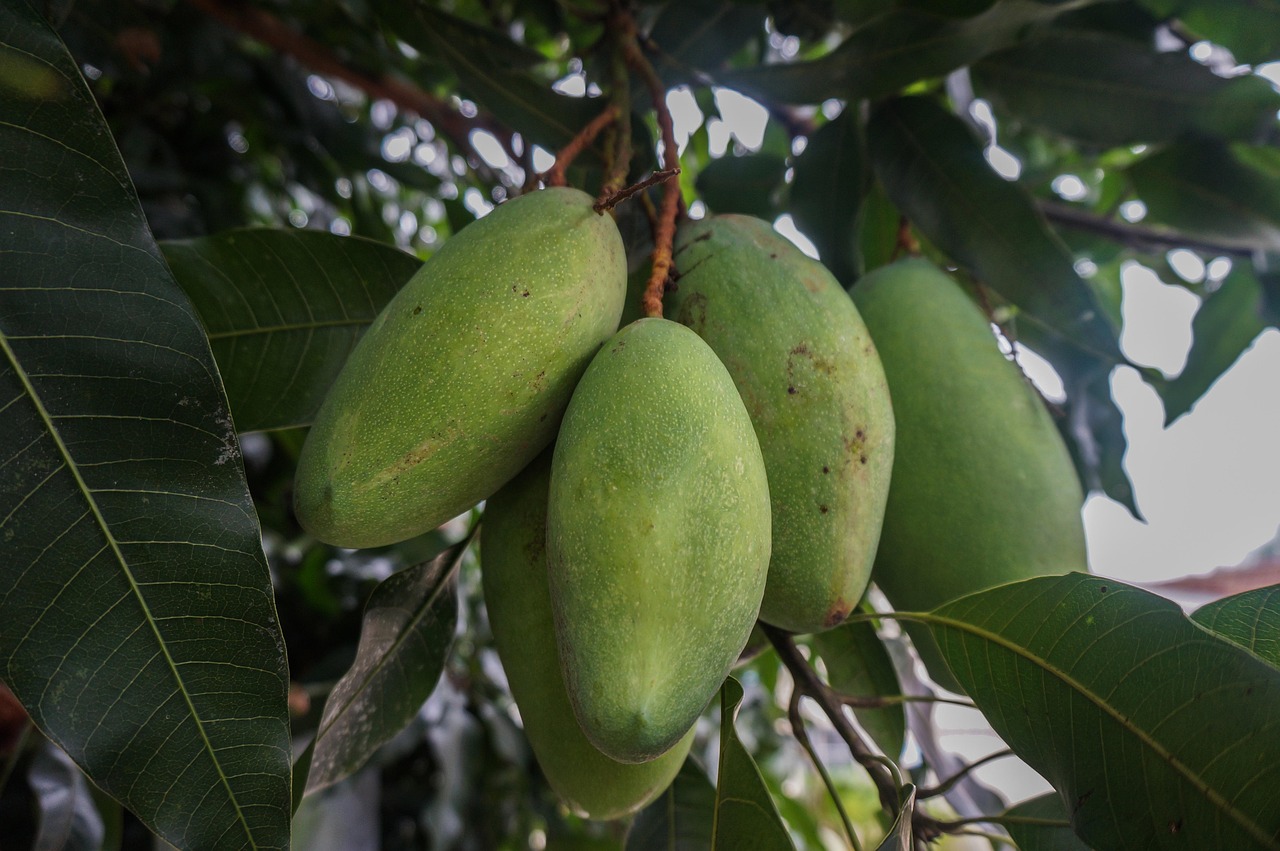
Florida’s warm climate is perfect for growing mango trees, and with so many varieties available, it’s easier than ever to find the best mango tree to grow in Florida for your garden. Whether you’re looking for something sweet, tangy, or even coconut-like, there’s a mango out there for you. This guide will help you pick the perfect tree, considering everything from size and flavour to how much fruit you can expect. Choosing the best mango tree to grow in Florida involves considering taste preferences, mature tree size, and disease resistance.
Choosing the Best Mango Tree to Grow in Florida for Your Space and Climate
Picking the best mango tree to grow in Florida really comes down to a few things: how much room you’ve got, what the weather’s like where you are, and, of course, what kind of mango you fancy eating. Florida’s climate is pretty forgiving for mangoes, especially in the southern parts, but you still need to think about your specific spot.
There are loads of different mango varieties out there, each with its own quirks. Some grow into massive trees that need a good chunk of space, while others are happy to stay compact and are perfect for smaller gardens or even pots. It’s not just about size, though. You’ll want to consider when they fruit, how much fruit they tend to produce, and how much fuss they are to look after. Getting the right variety means you’re much more likely to have a happy tree and a tasty harvest.
Here’s a quick rundown of what to think about:
- Space: Do you have a sprawling garden or just a small patio? This will dictate whether you go for a large, spreading tree or a dwarf variety.
- Climate Zone: While much of Florida is great for mangoes, some varieties might do better in slightly cooler or warmer microclimates within the state.
- Taste Preference: Are you after something super sweet, a bit tart, or with exotic notes like coconut or citrus? There’s a mango for every palate.
- Fruiting Time: Some mangoes ripen early in the season, while others come later. Planting a couple of different types can give you a longer harvest period.
Don’t just pick the first mango tree you see. Take a bit of time to research the different types available. What tastes amazing to one person might not be your cup of tea. Plus, a tree that’s too big for your garden will just cause headaches down the line.
Why the Best Mango Tree to Grow in Florida Needs Full Sun and Well-drained Soil
So, you’re thinking about planting a mango tree in Florida? That’s brilliant! But before you dig that first hole, let’s chat about where you put it. Mangos are sun-worshippers, plain and simple. They really need at least six to eight hours of direct sunlight every single day to produce the best fruit. Think of it like this: the more sun they soak up, the happier they are, and the sweeter those mangos will be.
Beyond the sunshine, the soil is a big deal too. Mango trees absolutely hate having their feet wet. They need soil that drains well, meaning water doesn’t just sit around the roots after a good rain. If your garden tends to hold water, you might need to amend the soil or consider building a raised bed. Planting them in a spot where water pools is a recipe for root rot, and nobody wants that.
Here’s a quick rundown of what they like:
- Sunlight: Aim for a spot that gets full sun, ideally 8+ hours daily.
- Soil: Well-drained, sandy or loamy soil is perfect. Avoid heavy clay that stays soggy.
- Airflow: Good air circulation around the tree helps prevent diseases.
Choosing the right spot from the get-go saves a lot of headaches later on. It’s not just about the tree surviving; it’s about it thriving and giving you loads of delicious fruit year after year. A bit of thought now means a lot more mangos later!
Getting the location right is probably the most important step you’ll take. It sets the stage for everything else. If you’re unsure about your soil, it’s worth doing a simple drainage test. Dig a hole, fill it with water, and see how quickly it drains away. If it takes hours, you’ve got some work to do. But don’t let that put you off; with the right preparation, you can grow a fantastic mango tree right in your own garden.
Varieties that Qualify as the Best Mango Tree to Grow in Florida for Flavour and Yield
Right then, choosing the best mango tree for your garden in Florida really comes down to what you’re after in terms of taste and how much fruit you want. There are hundreds of types out there, and honestly, the ones you get from the supermarket just don’t compare to a properly ripened mango straight from the tree. They’re usually picked way too early to survive the journey, so they lack that full-on flavour. But if you grow your own, you get the real deal.
The sheer variety of flavours is astounding; you can find everything from a sweet, coconutty taste to something with a sharp, citrusy kick. It’s not just about sweetness either; some have hints of pine, spice, or a lovely tartness that balances the sugar. It really depends on the cultivar.
Here are a few top picks that consistently deliver on flavour and give you a good amount of fruit:
- Carrie: This one’s a real workhorse. It’s known for being reliable, producing medium-sized, fibreless mangoes with a rich, sweet taste. Plus, the tree itself is quite compact, which is handy if you don’t have acres of space.
- Lemon Zest: As the name suggests, this mango has a fantastic citrusy zing that people absolutely rave about. The fruit is fibreless and bright yellow. The tree grows quite vigorously, so you’ll need to keep an eye on it with pruning, but the flavour is truly something else.
- Orange Sherbet: If you’ve got a sweet tooth, you’ll love this. It’s juicy, sweet, and has distinct notes of tangerine. It’s a mid-season producer and gives you a good harvest.
- Coconut Cream: This one is pretty unique. It genuinely tastes like a blend of coconut and mango, a bit like a tropical dessert. The tree is naturally smaller, making it a good choice for tighter spots.
- M4: A newer variety that’s gaining popularity, M4 produces late-season fruit, meaning you can enjoy mangoes for longer. The fruit is large, fibreless, and incredibly sweet, often described as having a buttery, dessert-like quality.
- PPK (also known as Lemon Meringue): This variety is famous for its candy-like sweetness and bright citrus undertones. It’s a smaller tree and one of the earliest to ripen, so you get that first taste of the season sooner.
When you’re picking a variety, think about the flavour profile you prefer. Do you like it intensely sweet, slightly tart, or with a complex fruity mix? There’s a mango out there for almost every taste bud, and growing your own means you get to experience that perfect, tree-ripened flavour.
It’s worth noting that some of these varieties, like the Carrie Dwarf, are naturally more compact, which is a big plus for home gardeners. Getting the right tree means you’re set for delicious harvests year after year.
Dwarf and Compact Options Among the Best Mango Tree to Grow in Florida Selections
Not everyone has acres of land for a sprawling mango orchard. Thankfully, there are some fantastic dwarf and compact varieties that are perfect for smaller gardens, patios, or even large containers. These trees still give you that wonderful homegrown mango experience without taking over your entire garden.
Choosing a dwarf variety means you can enjoy fresh mangoes even if you have limited space.
Here are a few top picks that stay nicely contained:
- ‘Pickering’: This one is a real gem for small spaces. It’s naturally dwarf, usually topping out around 10-12 feet. It fruits early in the season and has a lovely, creamy, sweet taste with a hint of coconut. It’s also known for being quite productive even when young, which is a bonus.
- ‘Coconut Cream’: As the name suggests, this mango has a rich, almost decadent flavour reminiscent of coconut and vanilla. The tree itself is bushy and compact, typically reaching about 15 feet. It’s a mid to late-season producer, so you can look forward to its dessert-like fruit later in the summer.
- ‘Carrie’: While technically semi-dwarf, ‘Carrie’ stays a manageable size, usually around 10-15 feet. It’s known for its intensely rich and spicy flavour, with a wonderful aroma and no fibre. It’s also quite resistant to diseases, which is always a plus.
When selecting a compact mango tree, consider its mature size and how that fits into your specific garden layout. Even dwarf varieties will need some room to spread their branches and get good air circulation, which helps prevent disease.
These smaller trees are often easier to manage when it comes to pruning and harvesting. You can find more information on compact varieties like these at dwarf mango trees.
Disease-Resistant Picks when Selecting the Best Mango Tree to Grow in Florida
When you’re picking out a mango tree for your Florida garden, it’s not just about how tasty the fruit is or how big the tree gets. You’ve also got to think about keeping it healthy. Some mango varieties are just naturally tougher than others when it comes to common garden ailments.
Florida’s climate, with its warm, humid spells, can be a breeding ground for fungal issues like anthracnose and powdery mildew. These can really put a damper on your harvest, leaving you with spotted fruit or even causing leaf drop. While good gardening practices, like ensuring proper air circulation and not overwatering, are your first line of defence, choosing a more resilient variety can save you a lot of headaches down the line.
Here are a few types that tend to shrug off diseases better than some of the more sensitive ones:
- ‘Pickering’: This one’s a real trooper. It’s known for being quite hardy and less prone to the usual mango tree woes. Plus, it’s a dwarf variety, so it’s easier to manage.
- ‘Carrie’: Another solid choice that generally holds up well against common diseases. It produces a rich, flavourful fruit and doesn’t get too massive.
- ‘Cogshall’: This variety is often praised for its disease resistance. It’s a compact grower, making it suitable for smaller spaces, and it yields delicious, fibreless fruit.
While no tree is completely immune, opting for these more robust cultivars can significantly reduce the chances of encountering major disease problems, meaning more fruit for you with less fuss.
It’s worth noting that even disease-resistant varieties can still get sick if conditions are really bad or if they’re stressed. So, always keep an eye on your tree, practice good horticultural habits, and you’ll be well on your way to enjoying homegrown mangoes for years to come.
Timing Your Harvest: How to Get the Most from the Best Mango Tree to Grow in Florida
Knowing when to pick your mangoes is half the battle, honestly. You don’t want to pull them off the tree too early, because then they’re just not going to taste right – a bit hard and not very sweet. But leave them on too long, and you risk them getting mushy or even attracting pests. It’s a bit of a balancing act.
So, how do you tell? Well, there are a few signs to look out for. The colour of the mango is a big clue, though it can vary a lot depending on the variety you’re growing. Some turn a lovely yellow or red, while others might stay mostly green but get a bit softer. The best indicator is usually the smell and the slight give when you gently press the fruit. A ripe mango will have a sweet, fruity aroma, and it should yield just a little under gentle pressure, not feel rock hard or mushy.
Here’s a quick rundown of what to check:
- Aroma: Sniff around the stem end. A ripe mango will smell wonderfully sweet and fragrant.
- Feel: Gently squeeze the mango. It should feel slightly soft, like a ripe peach or avocado. Avoid fruits that are rock hard or have soft, mushy spots.
- Colour: While not always the most reliable, look for the characteristic colours of your specific variety to deepen. For example, ‘Tommy Atkins’ might get a reddish blush, while ‘Kent’ might turn a lovely yellow-green.
- Shape: Some varieties tend to become a bit more rounded as they ripen.
Don’t be tempted to let a young tree carry too much fruit in its first few years. It’s better to let the tree establish itself. If you have a young tree that’s loaded with fruit, it’s a good idea to thin it out, maybe leaving just one or two fruits per branch. This helps the tree focus its energy on growing stronger, rather than putting all its effort into ripening fruit that might exhaust it.
Harvesting is usually done by hand. You can gently twist the mango; if it separates easily from the stem, it’s likely ready. If it’s stubborn, give it a few more days. Sometimes, a slight upward nudge can help it detach cleanly. For those hard-to-reach fruits, a fruit picker tool can be a lifesaver, preventing damage to both the fruit and the tree.
Maintenance and Pruning Tips for the Best Mango Tree to Grow in Florida
Keeping your mango tree in good shape is pretty straightforward, but a little attention goes a long way. Regular pruning is key to managing its size and encouraging healthy growth. You’ll want to do most of your pruning right after you’ve harvested the fruit, usually around July or August. This is the perfect time to shape the tree, making sure it doesn’t get too tall to reach for those delicious mangoes.
When you prune, focus on removing any branches that are crossing each other, as these can rub and cause damage. Also, take out any dead or diseased bits you spot. Good air circulation is a big help in keeping fungal issues at bay, especially here in Florida’s humid climate, and pruning helps with that.
Here’s a quick rundown of what to focus on:
- Shaping: Aim to keep the tree at a manageable height, perhaps around 10-15 feet. This makes harvesting much easier and encourages the tree to produce more fruiting branches.
- Health: Remove any dead, damaged, or diseased limbs. This prevents problems from spreading and keeps the tree vigorous.
- Airflow: Thin out dense areas to allow light and air to penetrate the canopy. This is a natural way to ward off pests and diseases.
Watering is also important, though once established, mango trees are quite drought-tolerant. The biggest mistake people make is overwatering. Let the soil dry out a bit between waterings to avoid root rot. Fertilising should be done sparingly, too. Use a balanced feed, but go easy on the nitrogen – too much of that encourages leafy growth at the expense of fruit. Potassium and calcium are more beneficial for fruit production.
Pests and diseases can pop up, especially during wet spells. Things like anthracnose or powdery mildew are common. The good news is that good airflow, proper pruning, and avoiding overwatering are your best defences. If you do spot issues, organic sprays like neem oil can often sort them out without harming the environment.
Don’t forget about feeding. A light application of a balanced fertiliser a couple of times a year is usually plenty. Look for one that’s a bit higher in potassium and lower in nitrogen. Too much nitrogen means lots of leaves but not many mangoes, and we definitely want the mangoes!
Extending the Season: Planting Multiple Best Mango Tree to Grow in Florida Varieties for Continuous Fruit
So, you’ve got your mango tree, and it’s producing a bounty of delicious fruit. That’s fantastic! But what if you could enjoy that sweet, tropical goodness for longer than just a few weeks in the summer? The secret is to plant a mix of different mango varieties, each with its own ripening schedule. It’s like creating your own personal mango season that stretches out over months.
Think about it: some mangoes are early birds, ripening in late spring or early summer, while others are late bloomers, holding out until late summer or even early autumn. By strategically choosing a few different types, you can have a steady supply of fresh mangoes from your own garden. It really makes a difference when you’re craving that juicy fruit.
Here’s a rough idea of when some popular varieties tend to ripen in Florida:
- Early Season (May-June): Varieties like PPK (Lemon Meringue) often kick things off. Getting that first taste of the season is always a treat.
- Mid-Season (June-August): This is usually the peak time, with many well-known types like Orange Sherbet and Carrie hitting their stride.
- Late Season (August-September/October): If you want to keep the harvest going, look for varieties such as M4. These are great for extending that mango enjoyment.
Planting a diverse range of mango trees means you’re not just getting more fruit overall, but you’re also spreading out the harvest. This can be really helpful for managing the workload of picking and processing, and it means you’re less likely to be overwhelmed by a massive crop all at once. Plus, it’s a great way to sample different flavours throughout the year.
It’s not just about extending the season, though. Different varieties have different growth habits, too. Some stay more compact, which is handy if you don’t have a huge amount of space. Others can get quite large. So, when you’re planning your mango orchard, consider both the ripening time and the mature size of the trees. This way, you can create a beautiful, productive garden that keeps on giving.
Want to enjoy delicious mangoes for longer? Planting different types of mango trees means you can have a steady supply of fruit throughout the season. Discover which varieties are best for your garden and how to get them. Visit our website today to learn more and find the perfect mango trees for your needs!
Frequently Asked Questions
What’s the main reason mango trees are so popular in Florida?
Mango trees are a big hit in Florida because there are so many different kinds to choose from, and they taste amazing! You can find trees that stay small or grow really big, and some give you fruit early while others keep producing later in the summer. Plus, a mango picked right from your tree tastes way better than anything from the shop, which is usually picked before it’s fully ripe.
Which mango varieties are best for flavour?
The ‘best’ flavour is really down to personal taste, but popular choices include ‘Coconut Cream’ for its unique coconut-mango taste, ‘Lemon Zest’ for its bright, citrusy kick, and ‘Orange Sherbet’, which tastes like pure candy. Many people also love ‘Carrie’ for its rich sweetness and ‘Mallika’ for its tropical notes.
Are there mango trees that don’t get too big?
Yes, absolutely! If you don’t have a lot of space, look for dwarf or semi-dwarf varieties. Trees like ‘Pickering’, ‘Carrie’, and ‘Coconut Cream’ are known for staying smaller and are much easier to manage in a home garden without sacrificing fruit production.
Which mango trees are less likely to get sick?
Some mango varieties are naturally tougher and resist common diseases like anthracnose or powdery mildew better than others. While good care, like proper watering and airflow, helps, varieties like ‘Carrie’ and some Zill family selections are known for their good disease resistance, making them a safer bet.
How can I get mangoes for a longer time during the summer?
To enjoy mangoes for as long as possible, you can plant different varieties that ripen at different times. Some mangoes are early season, while others like ‘M4’ or ‘Keitt’ produce fruit later in the summer, helping to stretch out your harvest well into September.
What are the basic needs for a mango tree to grow well?
Mango trees really love sunshine, needing at least six to eight hours of direct sun each day. They also need soil that drains well, so water doesn’t just sit around the roots. Once they’re established, they don’t need watering too often, and feeding them with a fertiliser lower in nitrogen helps them produce more fruit.
Request a Quote
Our Services


