
Penalty for Cutting Tree Without Permit Florida: Common Mistakes
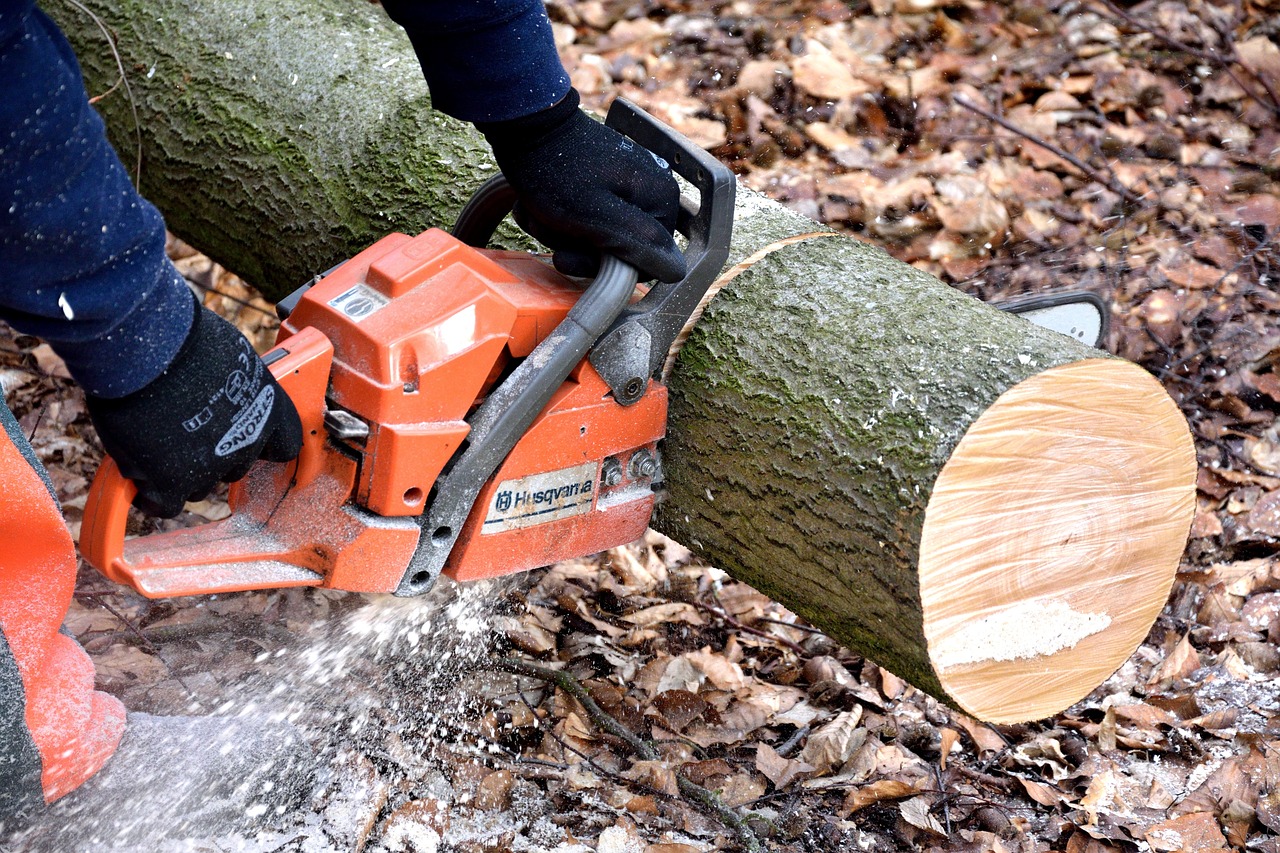
Thinking about trimming back that overgrown tree or perhaps removing one that’s become a bit of a nuisance? Before you grab the saw, it’s really important to know that Florida has rules about cutting down trees. Getting it wrong can mean facing a pretty hefty penalty for cutting tree without permit Florida. This article is here to help clear up some of the common mistakes people make, so you can avoid those unexpected costs and legal headaches. Local ordinances play a big role; what’s allowed in one town might not be in another, affecting the penalty for cutting tree without permit Florida.
Understanding the Penalty for Cutting Tree Without Permit Florida: What the Law Covers
So, you’re thinking about taking down a tree on your property in Florida? It might seem straightforward, but there’s a bit more to it than just grabbing a chainsaw. Florida has specific laws in place to protect its trees, and ignoring them can land you in hot water.
Generally, you’ll need a permit before you can remove certain trees. This isn’t just a suggestion; it’s a legal requirement. The rules can vary quite a bit depending on where you are in Florida, as local cities and counties have their own ordinances. Some areas are stricter than others, especially when it comes to larger trees or specific species that are considered important for the environment or local history. These are often called ‘heritage trees’.
Here’s a quick rundown of what you need to know:
- Permit Requirements: Always check with your local city or county government first. They’ll have the definitive list of which trees require a permit for removal. Don’t assume anything!
- Protected Species: Florida has certain tree species that are specifically protected. Think of trees like live oaks or Florida sand pines – these are vital for the ecosystem and often can’t be removed without special permission.
- Location Matters: Trees in conservation areas, wetlands, or near protected wildlife habitats usually have extra layers of protection. Even mangroves, which are super important for our coastlines, are strictly regulated.
There are some exceptions, though. If a tree is an immediate danger to your safety or property – like if it’s leaning precariously or looks like it’s about to fall – you might be able to remove it without a permit. However, you usually need proof. This often means getting a certified arborist to assess the tree and document its condition. Even with this exemption, some local rules might still require you to notify the authorities.
It’s easy to think a tree is just a tree, but in Florida, many are protected for good reasons. They help with erosion, provide homes for wildlife, and keep our communities green. The laws are there to balance development with preserving these natural assets.
Failing to get the right permits can lead to some pretty hefty fines. We’re talking potentially hundreds or even thousands of dollars per tree. On top of that, you might be required to replant trees or face other legal actions. It’s definitely worth looking into the tree service permits in Ocala, Florida, to get a clearer picture of what’s involved, even if you’re not in Ocala, as the principles are similar across the state.
Common Misunderstandings that Lead to a Penalty for Cutting Tree Without Permit Florida
It’s surprisingly easy to get tripped up when it comes to Florida’s tree laws. Many people assume they can just chop down any tree on their land without a second thought, but that’s rarely the case. One big mistake is thinking that if a tree looks dead, it can automatically be removed. While this might be true for some common trees, if it’s a protected species or in a sensitive area, you might still need permission. Local rules can be quite strict, and they often add extra layers of requirements on top of state laws.
Another common pitfall is assuming that trimming branches is always fine. However, even significant pruning, especially on protected trees or those in conservation zones, can require approval. It’s not just about outright removal; how you manage the tree matters too. Remember, the responsibility ultimately falls on you, the property owner, to know the rules. Hiring a tree service doesn’t automatically mean you’re in the clear; you still need to ensure they’re following all regulations.
Here are a few key areas where people often go wrong:
- Believing all trees are fair game: Many trees, especially older or larger ones, are protected. This includes specific species and trees in designated areas like wetlands. You can’t just remove them without checking.
- Ignoring local ordinances: State law provides a baseline, but your city or county might have much stricter rules. What’s allowed in one town might be a big no-no in the next.
- Assuming dead trees are exempt: Even a dead tree might be protected if it’s a specific species or part of a conservation effort. Some places require you to replace them.
The biggest takeaway is that ignorance isn’t a defence. You need to actively find out what the rules are for your specific location and tree.
It’s also worth noting that trees on property lines can cause neighbourly disputes, but Florida law has guidelines for these situations, too. If you’re unsure about a tree’s status or the best way to proceed, consulting with a certified arborist is always a smart move. They can help you understand the condition of the tree and what permits, if any, are needed before you make any decisions.
How Local Regulations Affect the Penalty for Cutting Tree Without Permit Florida in Your Municipality
Right, so you’re thinking about taking down a tree on your property in Florida. It seems straightforward enough, doesn’t it? Just chop it down and be done with it. But hold on a minute, because this is where things can get a bit tricky. The rules aren’t just set at the state level; your local town or city council has its own say in the matter, and these local rules can really change the game when it comes to penalties.
Different areas have different ideas about which trees are important and why. Some places might be really strict about old, big trees, calling them ‘heritage trees’ because they’ve been around forever or are just really impressive specimens. Others might focus more on trees that are vital for local wildlife or help prevent flooding. This means what’s a minor issue in one town could be a major offence in another.
It’s not just about the type of tree, either. The size of the tree often plays a big part. A tiny sapling might not raise any eyebrows, but cutting down a mature oak could land you in hot water, especially if your local ordinance says so. You might find that some municipalities have specific diameter limits, and if your tree is bigger than that, you’ll definitely need to check if a permit is required.
Here’s a quick rundown of what you might encounter locally:
- Permit Requirements: Some cities require permits for almost any tree removal over a certain size, while others are more lenient. Always check your local government’s website or give them a call.
- Protected Species: Your town might have a list of specific tree species that are protected, regardless of their size or age.
- Tree Preservation Areas: Certain zones within a municipality might have extra rules to protect trees, like conservation areas or parks.
- Fines and Replacements: Local penalties can vary wildly. You might face fines, or you could be told you have to plant new trees to make up for the ones you removed. Sometimes, it’s both!
It’s really important to remember that even if Florida state law offers some exemptions, like for hazardous trees, your local rules might still require you to get permission or at least notify the authorities before you do anything. Don’t assume the state law covers you everywhere.
For instance, if you’re in Orlando, you’ll want to be aware of their specific rules. Removing a protected tree in Orlando without the required permit can lead to some pretty hefty fines, as their city code is quite clear on the matter. It really highlights how vital it is to do your homework on your specific location before you even think about touching a tree.
So, before you grab the chainsaw, make sure you know exactly what your local municipality expects. A quick call to your city hall or a look at their planning or environmental department’s website can save you a lot of hassle and money down the line.
Mistaken Assumptions About Exemptions and How They Impact the Penalty for Cutting Tree Without Permit Florida
It’s really easy to get tripped up when it comes to Florida’s tree laws. People often think they know the rules, especially when it comes to exemptions, but that’s where things can go wrong and lead to a penalty for cutting tree without permit Florida. You might assume that because a tree looks dead or it’s a specific type, you can just go ahead and remove it. Unfortunately, it’s not always that straightforward.
One big misunderstanding is about hazardous trees. While Florida law does allow for the removal of trees that pose an immediate risk to safety or property, there are conditions. You can’t just decide a tree is dangerous; you usually need a certified arborist or a licensed landscape architect to assess it and document its condition. This report is often required, even if the tree is clearly leaning or looks like it’s about to fall. Without that professional sign-off, you could still be liable.
Another common pitfall involves dead trees. Just because a tree is no longer alive doesn’t automatically mean you can remove it without a permit. If that dead tree happens to be a protected species or a heritage tree, you might still need official permission. Some areas even require you to plant a new tree to replace a dead protected one, just to keep the local canopy healthy. It’s not just about the tree’s current state, but also its classification.
Here are a few more things people get wrong:
- Trimming isn’t always free rein: Even pruning can be regulated, especially for protected species like mangroves. Improper trimming can cause damage and lead to penalties.
- Local rules are key: State laws are one thing, but your specific city or county likely has its own tree ordinances. These local rules can be stricter and might require permits or documentation even when state law doesn’t.
- Emergency doesn’t mean no rules: After a storm, you might think all regulations are off. While there are allowances for immediate hazards, you often still need to report the removal or even plant replacements later, depending on the local rules.
It’s crucial to remember that the property owner is ultimately responsible for any violations, even if you hired a tree service. Make sure whoever is doing the work understands and follows all the regulations.
Ignoring these nuances can lead to fines, being forced to replant trees, or even legal trouble. It’s always best to check with your local government or consult with a professional before you touch a tree, just to be safe. Understanding these exemptions properly is key to avoiding a hefty penalty for cutting tree without permit Florida. You can find out more about what the law covers by looking into tree removal permits.
Case Studies: Real-world Examples of the Penalty for Cutting Tree Without Permit Florida
It’s easy to think that the rules about cutting down trees don’t really apply to you, or that a small tree in your garden isn’t a big deal. But as some folks in Florida have found out the hard way, ignoring the permit process can lead to some unpleasant surprises. Let’s look at a few scenarios.
Scenario 1: The ‘It Was Just a Small Oak’ Mistake
Sarah in Tampa decided to clear out some overgrown bushes and a small, but mature, oak tree from her backyard to make way for a new patio. She didn’t think she needed a permit for a single tree. A neighbour, however, reported the removal. Turns out, the oak was over a certain diameter, making it a protected species under Tampa’s local ordinance. Sarah was fined $750 and told she had to plant two new native trees of a specific size, which cost her another $500.
Scenario 2: The ‘Hazardous Tree’ Misunderstanding
Mark in Miami had a large pine tree that looked a bit wobbly after a recent storm. He was worried it might fall on his house. He hired a tree service to take it down immediately, assuming the storm damage meant he didn’t need a permit. The tree service did the work, but they didn’t get a formal assessment from a certified arborist beforehand, nor did they notify the city. A few weeks later, a city inspector noticed the stump. Mark was told that while the tree might have qualified for removal without a permit under Florida Statute 163.045, he failed to get the required documentation from an arborist. He ended up paying a fine of $1,200 and had to pay for the removal of the stump and the planting of a replacement tree.
Scenario 3: The Mangrove Mishap
Down in the Keys, a property owner decided to ‘tidy up’ some mangrove bushes along their waterfront to improve the view. They didn’t realise mangroves are heavily protected. The Florida Department of Environmental Protection (DEP) got involved. The fines were substantial, running into thousands of pounds, and the property owner was ordered to undertake a restoration project under DEP supervision. This was a much more complex and costly situation than they ever imagined.
Scenario 4: The Development Dilemma
A small construction company in Orlando was clearing land for a few new homes. They removed several large trees without checking the local tree ordinance, thinking it was standard practice. The city issued a stop-work order, halting the entire project for three weeks while the company sorted out the permit issues and paid significant fines. The delay and penalties cost the company tens of thousands of pounds in lost revenue and additional costs.
These examples show that even seemingly minor tree removals can have significant consequences if the proper procedures aren’t followed. It really highlights the importance of checking local rules before you even think about picking up a saw.
Steps to Avoid Triggering the Penalty for Cutting Tree Without Permit Florida
Right, so you want to get rid of a tree, or maybe just trim it back a bit, and you definitely don’t want to end up with a hefty fine or worse. It’s not as complicated as it sounds, but you do need to be a bit organised.
First off, the most important thing is to know your local rules. Florida has state laws, sure, but each county and even city can have its own specific tree ordinances. What’s fine in one place might need a permit in the next. So, your very first step should always be to check with your local government’s planning or environmental department. They’ll have the lowdown on what’s protected, what size trees need permits, and if there are any special rules for areas like wetlands or near conservation land.
Here’s a quick rundown of how to stay on the right side of the law:
- Figure out if your tree is special: Some trees are just more important than others. We’re talking about heritage trees (old, big, or historically significant ones) or protected species. If you’re not sure, ask. It’s better to ask than to find out you’ve chopped down something valuable.
- Assess the tree’s condition: If the tree is genuinely a danger – leaning badly, diseased, or looking like it’s about to fall on your house – you might be able to remove it without a permit. But, and it’s a big ‘but’ – you’ll likely need a certified arborist to write a report saying it’s a real hazard. Just deciding it looks dangerous isn’t usually enough.
- Don’t forget about mangroves: These coastal trees are super important for stopping erosion and protecting wildlife. Trimming or removing them often needs a special permit from the Florida Department of Environmental Protection (DEP), even if it seems like a small job.
- Get it in writing: If you do need a permit, apply well in advance. Approval can take time, sometimes weeks, depending on how busy the local office is and how complex your request is. Don’t start work assuming it’ll be approved.
- Hire professionals: If you’re unsure about any of this, or if the job is a bit tricky, get a qualified tree service or arborist involved. They know the rules, can assess the tree properly, and will handle the paperwork. It might cost a bit more upfront, but it’s usually way cheaper than paying a fine later.
Basically, do your homework before you even think about picking up a chainsaw. It saves a lot of hassle.
It’s easy to think a tree is just a tree, but in Florida, many have specific protections. Ignoring these rules, even by accident, can lead to some pretty serious consequences. Taking a few extra steps to understand the regulations and get the right permissions means you can manage your property without running into trouble with the authorities. It’s all about being informed and proactive.
What to do if You’ve Already Committed an Infraction and Face the Penalty for Cutting Tree Without Permit Florida
Finding out you’ve broken the rules and chopped down a tree without a permit in Florida is stressful. Once you’ve realised the mistake, taking action quickly can reduce how bad things get. Here’s a clear approach for what to do next—don’t panic, just take each step as it comes:
- Stop all further work immediately. Continuing will only count against you if officials investigate.
- Contact your local city or county environmental or planning office. Get the exact details about your case and ask what documentation or penalties you’re facing.
- Document the tree site. Take photographs, write down the timeline, and make a note if you think the tree was hazardous or had been storm-damaged.
- Consult a certified arborist. Their professional opinion could support your explanations, especially if the tree was a danger—sometimes, that changes the severity of the penalty.
- Be ready for possible penalties. These can range from fines to replanting requirements, and sometimes even stop-work orders, especially in development cases. In some areas, you might have to pay triple permit fees and do mitigation work— further information is available if you’re unsure how that might apply to you.
- Respond to all notices or citations promptly. Ignoring official warnings can make your situation much worse.
- Gather any evidence if you believe you qualify for an exemption (for safety or storm damage, etc). You’ll need a written report or assessment from a qualified professional.
Here’s a table showing possible penalties for removing a tree without a permit:
| Penalty Type | Range (Typical) |
| Monetary fines | £500 – £8,000 per tree |
| Triple permit fee | Calculated based on the standard local permit cost |
| Replant/mitigation | 1-3 trees per tree removed |
| Stop-work order | Until compliance and penalties are met |
Acting responsibly right now shows local authorities you’re not ignoring the rules—you made a mistake, and you’re willing to fix it. That can sometimes make a real difference to the outcome.
If you’re confused about your next steps, local officials or a certified arborist can break down the process for you and possibly help you minimise the penalty.
Long-Term Consequences and Community Impact of the Penalty for Cutting Tree Without Permit Florida
So, you’ve had to pay a fine for cutting down a tree without the right paperwork in Florida. It might seem like a one-off cost, but the repercussions can stretch much further than just your wallet.
Beyond the immediate fine, there are other things to consider.
- Environmental Loss: Every tree removed, especially a mature one, takes away a piece of the local ecosystem. This means less shade, reduced air quality, and a habitat gone for birds and insects. It can take decades for a new tree to provide the same benefits.
- Community Aesthetics: Trees contribute a lot to how a neighbourhood looks and feels. Removing them without good reason can make an area look bare and less appealing, which can even affect property values over time.
- Future Restrictions: If you’ve been penalised, authorities might keep a closer eye on your property. You might find that future tree work requires more scrutiny or stricter adherence to rules.
- Setting a Precedent: When one person cuts trees illegally, it can unfortunately encourage others to think it’s okay, leading to a wider problem of tree loss in the community.
The impact of unauthorised tree removal isn’t just about one tree. It’s about the cumulative effect on the environment, the look of our towns, and the health of the local wildlife. It’s a reminder that trees are a shared resource, and we all have a part to play in looking after them.
Sometimes, the penalty might also include having to plant new trees. This is a good thing, as it helps to replace what was lost, but it’s a lot more work and expense than just getting the permit in the first place. It’s definitely worth checking the rules before you even think about picking up a saw.
Frequently Asked Questions
What happens if I cut down a tree without permission in Florida?
Cutting down a tree without the right permit in Florida can lead to some serious trouble. You might have to pay a fine, which can be quite a lot of money, sometimes thousands of dollars, for just one tree. You could also be made to plant new trees to replace the ones you removed, or pay for someone else to do it.
Are there any trees I can cut down without needing a permit?
Generally, Florida law allows you to cut down a tree without a permit if it’s an immediate danger to your safety or property, like if it’s leaning badly or looks like it’s about to fall. However, you usually need a certified tree expert to confirm it’s a real risk, and even then, some local rules might still apply.
Do I need a permit to trim branches from a neighbour’s tree?
If your neighbour’s tree branches are hanging over your property, you are usually allowed to trim them back to your property line. But, you can’t go onto their property to do it, and you must be careful not to harm the tree itself. If you damage the tree, you could be held responsible.
What are ‘protected’ or ‘heritage’ trees in Florida?
‘Protected’ or ‘heritage’ trees are special trees that are important because of their age, size, or the type of species they are. They might be native to Florida or have historical value. These trees often have extra rules, and you’ll likely need a specific permit to remove or significantly trim them, even if they’re on your own land.
Can a tree service company handle all the permit requirements for me?
Hiring a professional tree service is a good idea, and they usually know a lot about the rules. However, it’s ultimately your responsibility as the property owner to make sure all the work is done legally. It’s best to choose a reputable company that understands Florida’s laws and can help you get the right permits.
What should I do if I’ve already cut down a tree without a permit?
If you’ve already cut down a tree without the necessary permit, it’s best to act quickly. Contact your local city or county government’s planning or code enforcement department right away. Be honest about what happened, and they can tell you what steps you need to take to fix the situation, which usually involves fines and possibly replanting.
Request a Quote
Our Services


