
River Birch Tree Pros and Cons You Should Know Before Planting

Consider adding a river birch tree to your yard. They’re popular, and for good reason. That peeling bark is something else, and they can grow fast. But like anything, there are things you should know before you dig that hole. We’re going to break down the pros and cons of the river birch tree so you can make a smart choice for your home.
Consider adding a river birch tree to your yard. That’s a good idea, but like anything, there are things to consider before you dig that first hole. These trees are popular, and for good reason. They’ve got that distinctive peeling bark that looks neat year-round, and they can grow pretty fast, which is nice if you want some shade sooner rather than later. But, as with most things in life, there’s another side to the story. We’re going to break down the pros and cons of the river birch tree so you can make an informed choice.
Understanding the river birch tree pros and cons is key to a happy garden and a happy you.
Here’s a quick look at what makes them tick:
- Fast Growth: They can shoot up a few feet each year, giving you that mature tree look quicker.
- Attractive Bark: That peeling, multi-colored bark is a real showstopper, especially in winter.
- Adaptable: They’re pretty good at handling wet spots where other trees might struggle.
But, there are also some downsides to these beauties. We’ll get into all of it, from how they grow to how much mess they make.
When you’re looking at planting any tree, it’s always a good idea to weigh the good with the not-so-good. River birch trees are no different. Knowing the full picture helps you avoid surprises down the road and makes sure you pick the right plant for your space.
We’ll cover everything from their growth rate and how hardy they are, to their soil needs, how they look in the landscape, and even what their roots get up to. Plus, we’ll talk about how much work they are and if they tend to get sick. Let’s get started on figuring out the river birch trees pros and cons.
River Birch Tree Pros and Cons: Growth Rate and Overall Hardiness
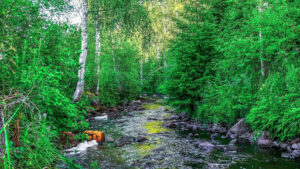
One of the big draws for the river birch is how quickly it grows. Seriously, these trees can shoot up a few feet each year, which is pretty neat if you want to see some noticeable change in your yard without waiting forever. This rapid growth means you get shade and a more mature look in a relatively short time. It’s a deciduous tree, so expect it to lose its leaves in the fall, but the speed at which it gets there is impressive.
When it comes to hardiness, river birches are generally pretty tough, especially compared to some of their birch cousins. They can handle USDA Zones 4 through 9, which is a pretty wide range. They also tolerate warmer weather better than other birches, making them a good option for more southern areas where other birches might struggle. However, this hardiness comes with a bit of a trade-off.
- Fast Growth: Can add 1-3 feet in height annually.
- Hardiness Zones: Generally hardy in Zones 4-9.
- Heat Tolerance: Better than many other birch species.
- Lifespan Consideration: Rapid growth can sometimes mean a shorter overall life.
While they grow fast, it’s worth noting that this can sometimes mean they don’t live as long as slower-growing trees. Some might reach 50-75 years, which is a good run, but others can start to decline much sooner, sometimes even before 20 years. It’s a bit of a gamble, really. So, you get that instant gratification with growth, but you might not have a tree for generations.
The river birch’s vigorous growth is a double-edged sword. While it provides quick landscape impact and shade, it can also contribute to a shorter overall lifespan compared to trees with a more measured growth habit. It’s a trade-off to consider for long-term landscape planning.
Soil and Moisture Requirements for River Birch Tree
When you’re thinking about planting a river birch, you’ve gotta consider where it’s going to live. These trees really like it wet. They thrive in consistently moist soil, kind of like you’d find near a riverbank or in a swampy area, which makes sense given their name.
If your yard tends to dry out quickly, you’ll need to be prepared to water this tree regularly, especially during those hot summer months. We’re talking about a good, deep soaking once a week, maybe even more if it’s super dry. They don’t do well when the soil gets parched.
Here’s a quick rundown of what they prefer:
- Soil Moisture: Consistently damp is best. They can handle soggy spots, which is a plus if you have drainage issues.
- Soil Type: They’re pretty adaptable but do best in slightly acidic soil (pH 5.0-6.5). If the soil leans too alkaline, you might see their leaves turn yellow with green veins – that’s a sign they’re not getting enough iron.
- Sunlight: Full sun to partial shade is fine, but remember, more sun usually means you’ll need to water more.
Planting a river birch in a spot that collects water runoff, like at the base of a slope, can be a smart move. It helps ensure the tree gets the moisture it craves without you having to haul out the hose every single day.
If you notice those yellow leaves, don’t panic. Adding some iron to the soil or using a fertilizer with iron can usually fix it right up. Mulching around the base is also a good idea to help keep the soil cool and retain that precious moisture, just make sure not to pile it right up against the trunk.
Aesthetic Appeal and Landscape Value of River Birch Tree
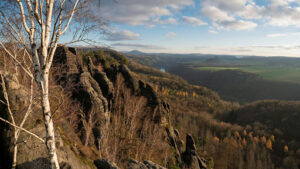
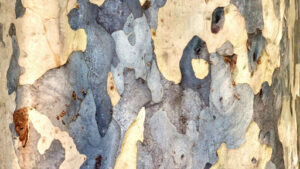
When you think about adding a River Birch to your yard, its looks are probably one of the first things that come to mind. And honestly, they’re pretty striking. The most famous feature is that bark – it’s thin, papery, and just keeps peeling off in these curly sheets of tan, pink, and brown. It really stands out, especially in the winter when everything else is bare. It gives the tree a unique texture that you don’t see every day.
These trees aren’t just about the bark, though. They have this lovely, somewhat rounded shape as they mature, with branches that arch a bit. The leaves are a nice medium to dark green, and they’re serrated along the edges, giving them a bit of detail. They create a nice, dappled shade, which is great for cooling down a spot in the yard during those hot summer months.
The River Birch is a fantastic choice if you’re looking for a tree that offers year-round visual interest.
Here’s a quick rundown of what makes them look good:
- Peeling Bark: This is the star of the show. The exfoliating bark changes colors, offering a dynamic look.
- Form and Structure: Whether you choose a single-trunked or multi-stemmed variety, they have an elegant shape that adds architectural interest.
- Foliage: The green leaves provide a soft canopy, and they tend to have a lighter underside, which can be noticeable when the wind blows.
Because of their looks and their ability to handle wet spots, people often use them as specimen trees – you know, the one tree you plant to be the focal point of the garden. They look great near water features, like ponds or streams, or even in those low-lying areas of the yard that tend to stay soggy. Dwarf varieties can even work in smaller spaces or as part of a foundation planting.
While the peeling bark is a big draw, it’s worth noting that this trait is more pronounced on younger trees and can become less dramatic as the tree ages. Also, the bark can sometimes be a bit fragile, so be mindful of where you place it if you have kids or pets who might be roughhousing nearby.
So, if you’re after a tree that’s got personality and looks good from just about any angle, the River Birch definitely fits the bill. It’s not just a tree; it’s a landscape feature.
River Birch Tree Pros and Cons: Root System Behavior
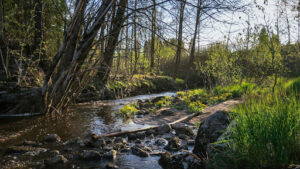
When you’re thinking about planting a river birch, it’s good to know what its roots are up to underground. These trees have roots that tend to spread out wide and stay pretty close to the surface. They aren’t usually the kind of roots that will bust up your sidewalks or foundations, which is a relief.
However, because they like moisture, their roots can sometimes go searching for water. This means you’ll want to give them some space. Planting them at least 20 feet away from your house, sewer lines, or any underground pipes is a smart move. It’s not that they’re super aggressive, but persistent roots can find tiny cracks over time.
Here’s a quick rundown of what to expect:
- Shallow and Wide-Spreading: The root system doesn’t go deep, but it covers a good area horizontally.
- Water Seekers: They naturally look for moist spots, so be mindful of where you plant them, especially if you have water features or irrigation nearby.
- Generally Non-Invasive: Compared to some other trees, they’re not known for causing major structural damage, but giving them space is still key.
The main thing to remember is that while river birch roots aren’t typically a structural threat, they do spread out and seek water. This means careful placement is really important for both the tree’s health and your property’s integrity. If you’re planting near other plants, make sure there’s enough room for everyone to get the nutrients and water they need without too much competition. Proper mulching can also help keep the soil around the roots consistently moist, which the tree loves. You can find more information on planting birch trees to help you get started.
Messiness and Maintenance Needs of River Birch Tree
Okay, so let’s talk about the not-so-glamorous side of owning a River Birch: the mess and the upkeep. These trees are pretty, no doubt, but they do come with a bit of a cleanup crew attached. They tend to drop twigs and debris pretty consistently throughout the year, which means you might find yourself doing more sweeping than you anticipated.
Beyond just twigs, River Birches also shed those long, stringy catkins, especially in the spring. And if you live in a warmer climate, get ready for pollen. From late winter into early spring, they can put out a significant amount of pollen, which can coat everything in a fine yellow dust. It’s not the end of the world, but it’s definitely something to consider if you’re particular about a spotless yard.
When it comes to maintenance, they aren’t overly demanding, but there are a few things to keep in mind. Regular watering is key, especially when the tree is young or during dry spells. You’ll want to keep the soil consistently moist, which means deep watering a couple of times a week is better than a quick sprinkle. Mulching around the base is a good idea, too; it helps keep that moisture in and regulates the soil temperature. Just make sure to leave a little space between the mulch and the trunk itself to avoid any rot issues.
Pruning is usually minimal. You’re mostly looking to take out any dead, damaged, or diseased branches. The best time for this is typically late winter or early spring, before all the new growth really kicks off. This helps the tree heal up faster.
While River Birches are generally tough, paying attention to their needs, especially water and soil conditions, can prevent bigger problems down the line. Ignoring them can lead to issues like yellowing leaves or even more serious health problems.
Here’s a quick rundown of what to expect:
- Twig Drop: Expect small twigs to fall throughout the year.
- Catkins: These long, stringy bits will shed, mostly in spring.
- Pollen: A significant amount can be released in late winter/early spring.
- Water Needs: They like consistently moist soil, so regular watering is important.
- Pruning: Mostly just for removing dead or damaged branches.
Pest and Disease Resistance of River Birch Tree
When it comes to bugs and sickness, river birch trees are generally pretty tough. They’re not usually bothered by a lot of the common tree problems out there, which is a big plus for anyone who doesn’t want to spend all their time treating their yard. This makes them a relatively low-maintenance option compared to some other trees.
However, no tree is completely immune. River birches can sometimes run into a few issues:
- Bronze Birch Borer: This is probably the most talked-about pest. These little beetles tunnel into the bark, messing with the tree’s ability to move water and nutrients. You might see the leaves thinning out, especially at the top. While river birches are a bit more resistant than other birch types, they aren’t totally safe. If you catch it early, a special spray might help, but it’s best to have a pro handle it.
- Aphids and Sawfly Larvae: These guys can show up and munch on leaves, sometimes causing a bit of leaf drop. But honestly, they usually don’t do enough damage to really hurt the tree in the long run, and they tend to stay put.
- Fungal Issues (Anthracnose and Root Rot): Anthracnose can cause spots on leaves and make them curl, especially when it’s wet outside. Root rot, caused by a fungus, is more serious and can affect the main roots and lower trunk, leading to wilting or dying branches. Keeping the tree healthy and well-watered (but not waterlogged) is the best defense.
The key to keeping your river birch healthy and less susceptible to problems is good care. This means planting it in the right spot, giving it enough water, and avoiding stress. A stressed tree is an easy target for pests and diseases. Regular check-ups can help you spot any trouble before it gets out of hand.
Pruning can also play a role. It’s best to prune in the fall or winter and avoid doing it in early spring when the sap is running. Fresh pruning cuts can attract borers, so timing is important. If you need to prune, just take off diseased or damaged branches and try not to remove too much at once. Keeping the tree healthy overall is your best bet for keeping pests and diseases at bay.
Frequently Asked Questions
How fast do river birch trees grow?
River birch trees are known for their quick growth, often adding 1 to 3 feet in height each year. This rapid growth makes them a great choice if you want to quickly add shade or visual interest to your yard.
Are river birch trees messy?
Yes, river birch trees can be a bit messy. They tend to drop twigs throughout the year, shed long, stringy things called catkins, and release pollen for a few months in the spring. So, be prepared for some regular clean-up around the tree.
Will the river birch tree roots damage my house?
River birch roots spread out wide and are quite shallow. While they can search for water, they aren’t usually strong or deep enough to damage house foundations or pipes. However, it’s still a good idea to plant them at least 20 feet away from your home or sewer lines, just to be safe.
What kind of soil do river birch trees like?
These trees really love soil that stays moist and is a little bit acidic. They naturally grow near rivers and in wet areas, so they appreciate consistently damp ground. If the soil is too alkaline, their leaves might turn yellow.
How long do river birch trees live?
River birch trees aren’t the longest-living trees. While some might reach 50 to 75 years, many don’t last as long as other types of trees. Their fast growth is a sign that they might have a shorter lifespan.
What pests or diseases affect river birch trees?
River birch trees are generally quite tough and don’t have many problems with pests or diseases. However, they can sometimes get issues like root rot or a fungal disease called anthracnose, especially in wet conditions. Pests like aphids or borers can also show up, but they usually don’t cause serious long-term harm.
Request a Quote
Our Services


