
White Oak Water Requirements Compared to Red Oak Trees
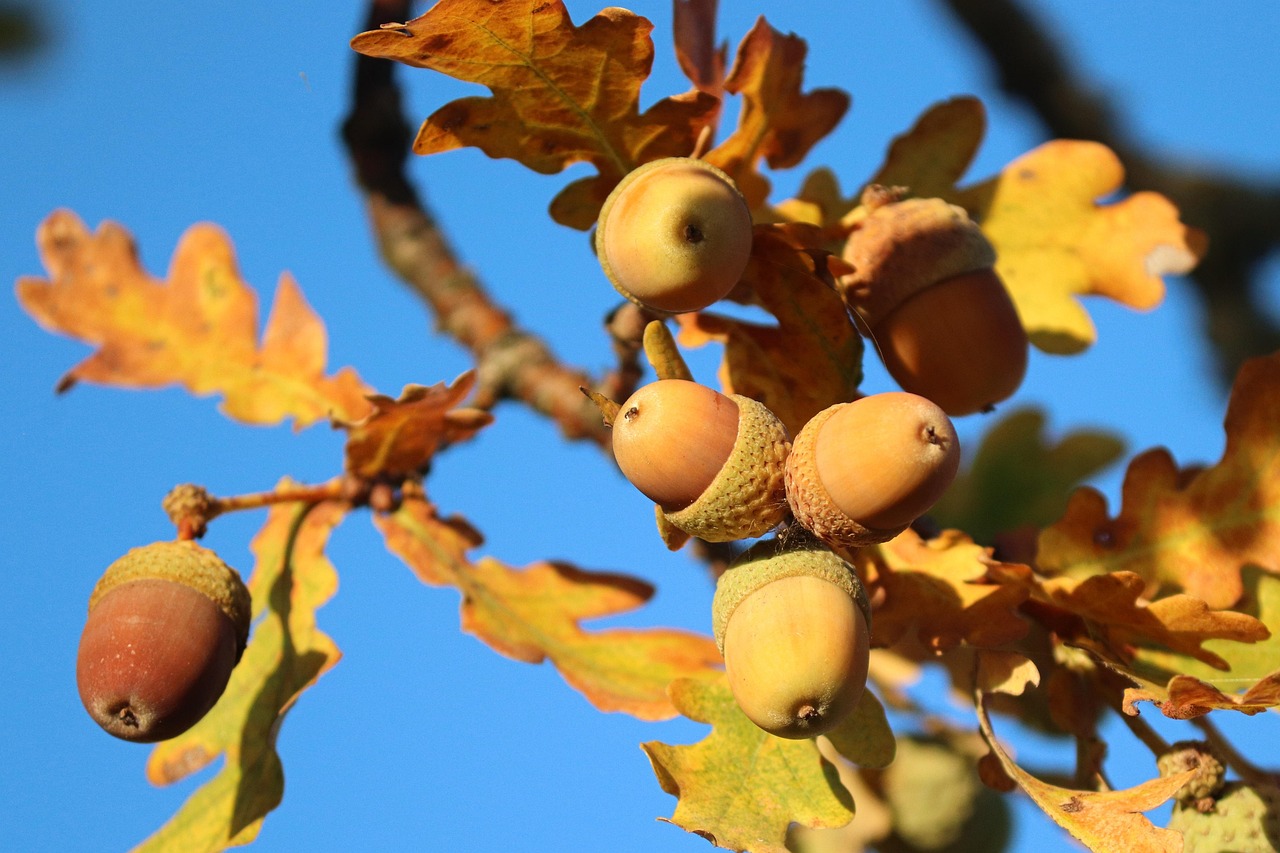
So, you have some oak trees, or perhaps you’re considering getting some. Cool. But which kind? White oak or red oak? They look similar, but they’re actually pretty different, especially when it comes to how much water they like. This article will break down the water requirements of white oak trees compared to those of red oak trees. We’ll cover what they need, how to tell if they’re thirsty, and basically how to keep them happy and healthy. It’s not super complicated, but knowing the basics helps a lot. Let’s dive into white oak water requirements.
When you think about oak trees, you might picture a sturdy, long-lived specimen gracing your landscape. If a white oak is the tree in question, its water needs are a pretty important part of keeping it healthy and thriving. Understanding the white oak water requirements isn’t just about knowing how much to pour from the hose; it’s about recognizing what this specific tree needs to flourish throughout its life. These trees, known for their strength and longevity, have particular hydration habits that differ from other species, including their red oak cousins.
The white oak water requirements are a key factor in its overall health and resilience.
Here’s a quick look at what influences how much water a white oak needs:
- Age of the tree: Young saplings need more frequent watering than mature trees.
- Soil type: Sandy soils drain faster and require more frequent watering than clay soils.
- Weather conditions: Hot, dry, and windy weather increases water loss, meaning more water is needed.
- Location: Trees in full sun will generally need more water than those in partial shade.
It’s easy to think all trees are the same when it comes to water, but that’s not quite right. Different types of oaks have different ways of handling moisture. For white oaks, their structure, especially their pores, plays a big role in how they absorb and retain water, making their specific needs worth paying attention to. We’ll get into the nitty-gritty of how much water these trees actually need, and how to make sure they’re getting it at the right times, especially when compared to red oak trees.
Proper watering is more than just a chore; it’s a fundamental aspect of tree care that directly impacts their ability to withstand environmental stresses and live a long, healthy life. Getting it right means a stronger, more beautiful tree for years to come.
Understanding Oak Tree Biology: Root Systems & Water Uptake
So, how do oak trees actually get their water? It all comes down to their roots. Think of the roots as the tree’s plumbing system, reaching deep into the soil to find and absorb the moisture it needs to survive and thrive.
Oak trees, especially the mature ones, have pretty extensive root systems. They’re not just little threads; they can spread out wide and go quite deep. This allows them to tap into water sources that might be out of reach for shallower-rooted plants. The bigger and healthier the root system, the better the tree is at getting the water it needs.
Here’s a quick look at how it works:
- Absorption: Tiny root hairs on the main roots are the primary sites where water enters the tree from the soil.
- Transport: Once absorbed, the water travels up through the tree’s vascular system (kind of like tiny pipes) to the trunk, branches, and leaves.
- Usage: This water is used for photosynthesis, keeping the leaves healthy, and generally keeping the whole tree functioning.
It’s a pretty neat biological process, and it highlights why keeping the soil around the base of your oak tree healthy and accessible to water is so important. If the roots can’t get to the water, the tree will start to show it.
The way an oak tree’s roots are structured plays a big role in how it handles dry spells. A well-developed root network can access moisture stored deeper in the ground, giving the tree a better chance of staying hydrated when the surface soil is parched.
Different oak species might have slightly different root growth patterns, which can influence how they respond to watering and drought. Understanding this basic biology helps us figure out the best ways to care for them, whether it’s a young sapling or a giant old tree.
White Oak Water Requirements: Basics & Growth Stages
White oaks are pretty sturdy trees, but they still need the right amount of water to really thrive. Think of it like this: a young sapling has totally different needs than a giant, old tree that’s been around for ages.
When these trees are just starting, especially in their first year or two after planting, they’re super sensitive. They need consistent moisture, but not so much that their roots are sitting in a swamp. For the first week after planting, especially if it’s warm out, watering them daily is a good idea. Then, you can ease up a bit, maybe every other day for a couple of weeks. After that, it’s usually about 2-3 times a week, but you really have to feel the soil. If it’s still damp, hold off.
As the white oak gets bigger and more established, its water needs change. These trees develop deep root systems, which help them find water even when the surface soil is dry. For a mature white oak, watering once a week is often enough, but this really depends on the weather. If it’s been super hot and dry for a while, you might need to water more often. The key is to water deeply so that the water reaches those deeper roots.
Here’s a quick rundown of what to expect:
- Newly Planted Saplings (First 1-2 Years): Need frequent, but not excessive, watering. Aim for consistent moisture in the top few inches of soil.
- Young, Growing Trees (3-10 Years): Watering frequency can decrease, but deep watering is still important to encourage root growth.
- Mature Trees (10+ Years): Generally require less frequent watering, relying more on their established root systems. Water deeply during prolonged dry spells.
The amount of water a white oak needs can be surprisingly high, sometimes reaching up to 100 gallons a day during peak growing periods. This might sound like a lot, but remember, they are large trees with extensive systems.
It’s always better to water less often but more thoroughly. This encourages the roots to grow deeper into the soil, making the tree more resilient to dry spells. Just poking the soil with your finger a few inches down is a good way to check if it’s time to water. If it feels dry, it’s probably time.
Red Oak Water Needs: An Overview
Red oaks, while generally considered a bit more adaptable than their white oak cousins, still need a good drink, especially when they’re young or during dry spells. They’re not as thirsty as some trees, but letting them go completely without water for too long can cause problems.
Think of it this way: red oaks have these larger, open pores in their wood. This means they can soak up water pretty readily, but it also makes them a bit more susceptible to issues if things get too wet or too dry. This porosity is a key difference when we compare them to white oaks.
Here’s a quick rundown of what red oaks generally need:
- Young Trees: When they’re just getting started, red oaks need consistent moisture. Watering them every other day for the first couple of weeks after planting, then tapering off to a few times a week, is a good starting point. Always check the soil first, though!
- Established Trees: Once they’ve settled in, watering once every 7-10 days during dry periods is usually sufficient. Deep watering is always better than frequent shallow sprinkles.
- Drought Conditions: Red oaks can handle some dry weather, but prolonged drought will stress them. If you’re in a dry spell, water deeply and slowly, making sure the soil is actually dry before you start.
It’s important to remember that red oaks can sometimes struggle with high-pH soils, which can lead to yellowing leaves. This is something to keep an eye on, and proper watering can help manage some of these issues. If you’re unsure about your tree’s health, consulting with a certified arborist is always a smart move. They can help you figure out the best watering plan for your specific situation and Northern Red Oak variety.
Red oaks are pretty resilient, but they aren’t invincible. They can survive periods without water, but they’ll start to show signs of stress if they go too long. Paying attention to the soil moisture and watering deeply when needed is the best approach to keep them healthy and happy.
Comparing Drought Tolerance: White Oak vs Red Oak
When we talk about how well oaks handle dry spells, there’s a pretty clear difference between white oak and red oak. White oak generally has a much better handle on drought conditions. This isn’t just a random thing; it comes down to how their wood is built.
White oak has these tiny, natural plugs in its pores called tyloses. Think of them like little stoppers. These tyloses make the wood much less porous, meaning water can’t easily get in or out. This is a huge advantage when things get dry because the tree can hold onto its moisture better. It also makes white oak really resistant to rot and decay, which is why it was historically used for things like barrels and boat building.
Red oak, on the other hand, has larger, open pores. You can actually blow bubbles through a piece of red oak if you put it in water! While this makes it easier to stain evenly (which is great for furniture or flooring), it also means the tree loses water more readily. So, when the weather gets tough and dry, red oak tends to show stress signs sooner than white oak.
Here’s a quick rundown:
- White Oak:
- Closed-grain structure due to tyloses.
- Excellent water resistance.
- Higher drought tolerance.
- More resistant to rot and decay.
- Red Oak:
- Open-grain structure.
- Less water resistant; can stain if wet.
- Lower drought tolerance; shows stress faster.
- More susceptible to rot.
So, if you’re in an area prone to dry spells or have challenging soil conditions, understanding this difference can really help you choose the right oak for your landscape or project. It’s not just about looks; it’s about survival and long-term health for the tree.

Young Tree Watering: White Oak vs Red Oak Strategies
When you first plant a young oak, whether it’s a white or a red variety, getting the watering right is super important. These little guys are still figuring things out, and consistent moisture is key to helping them establish a strong root system. Think of it like giving a baby bird its first meal – gotta be just right.
For the first week after planting, especially if it’s warm out, you’ll want to water daily. Then, you can ease up a bit, maybe every other day for the next couple of weeks. After that initial establishment period, you’ll transition to watering a few times a week. The goal is to keep the soil consistently moist, but not waterlogged. You’ve got to check the soil first, though. If it still feels damp, hold off on watering for a bit. Nobody likes soggy feet, and neither do young trees.
Here’s a quick rundown for those first few months:
- First Week: Water daily, especially in warm weather.
- Weeks 2-3: Water every other day.
- After Establishment: Water 2-3 times per week, adjusting based on conditions.
Red oaks, being generally faster growers, might seem like they need more water, but it’s more about consistency for both types when they’re young. They’re both putting down roots, and that takes a steady supply. You can find some good advice on watering new trees at Plant Me Green.
Remember, the soil type and how much sun the tree gets will also play a big role. Sandy soils drain faster, so they’ll need more frequent watering than clay soils, which hold onto moisture longer. Always feel the soil a few inches down before you grab the hose.
Watering Mature Trees: Adjusting to Climate and Soil
Alright, so you’ve got a big, established oak tree. Watering these giants isn’t quite the same as babying a sapling. For mature trees, especially our White and Red Oaks, you really need to think about what’s going on around them. The weather plays a huge role, obviously. If it’s been bone dry for weeks, your tree is going to need a good, deep drink. But if you’ve had a decent amount of rain, you might not need to do anything at all.
The key is to water deeply but infrequently for established trees. This encourages those roots to grow down deep into the soil, making the tree more resilient when things get tough.
Here’s a quick rundown of what to consider:
- Climate: Hot, dry summers mean more watering. Cool, wet springs might mean you can skip watering for a while. Pay attention to your local forecast.
- Soil Type: Sandy soils drain fast, so they might need water more often than clay soils, which hold onto moisture longer. You can do a simple test: dig down a few inches. If it’s dry, it’s probably time to water. If it’s still damp, hold off.
- Tree Health: A healthy, vigorous tree can handle dry spells better than one that’s already stressed.
Think about it this way:
You wouldn’t chug a gallon of water all at once if you were thirsty, right? You’d sip it over time. Trees are kind of the same. A big, slow soak is way better than a quick sprinkle that just wets the surface.
So, how often is ‘infrequently’? For most mature oaks, once every 7 to 10 days during dry spells is a good starting point. But always, always check the soil first. Overwatering can be just as bad as underwatering, leading to root rot, which is a real headache for any tree.
Signs of Water Stress in Oaks: What to Watch For
Sometimes, your oak tree can’t tell you it’s thirsty or has had too much to drink. You’ve got to be the detective.
The most common sign of a thirsty oak is wilting leaves, especially during the hottest part of the day. But don’t stop there. Look for leaves that are turning yellow and maybe even dropping off. This can happen with both too little and too much water, so it’s a bit of a tricky clue.
Here are some other things to keep an eye on:
- Leaf Scorch: This is when the edges of the leaves turn brown and crispy. It’s a classic sign that the tree isn’t getting enough water to keep its furthest parts hydrated.
- Bark Issues: Sometimes, the bark might start to peel away, especially if the tree is really struggling. This isn’t as common as leaf issues, but it’s worth noting.
- Slowed Growth: If your tree just isn’t putting out new leaves or branches like it usually does, it might be conserving energy because of water problems.
- Insect Problems: Trees that are stressed from a lack of water can become more attractive to certain bugs that bore into the wood. It’s like they’re weakened and easier targets.
Now, if you see leaves turning yellow and dropping, and the bark looks a bit off, you might think it’s underwatering. But here’s the twist: too much water can cause similar problems, like root rot. When roots can’t breathe because they’re waterlogged, they start to die, and the tree shows stress symptoms that look a lot like drought.
It’s easy to get caught up in thinking more water is always better, especially when things look dry. But overwatering can be just as damaging, if not more so, than underwatering. It suffocates the roots and can lead to fungal diseases. Always check the soil moisture before you even think about turning on the hose. A simple finger test a few inches down can tell you a lot.
Best Practices for Watering Oaks Deeply and Efficiently
When it comes to keeping your oak trees happy and healthy, how you water them really matters. It’s not just about dumping water on them; it’s about doing it right. The goal is to get water down to the roots, where the tree can actually use it.
Think about it like this: a quick sprinkle on the surface doesn’t do much good. The water just evaporates or runs off. You want to soak the soil deeply, encouraging those roots to grow down and find moisture. This makes the tree stronger and better able to handle dry spells.
Here’s a breakdown of how to do it:
- Water slowly and deeply: Use a hose with a gentle flow, a soaker hose, or a drip irrigation system. Let the water seep into the ground over a longer period. This might take an hour or more, depending on your soil and the size of the tree.
- Focus on the root zone: Water the area around the base of the tree, extending out to the drip line (the edge of the canopy). Don’t just water right at the trunk.
- Check the soil first: Before you water, stick your finger or a trowel about 2-3 inches into the soil. If it feels moist, hold off on watering. If it’s dry, it’s time to water.
- Water in the morning: This is generally the best time. It gives the tree a chance to absorb the water before the heat of the day causes too much evaporation. Watering in the evening is okay too, but try to avoid watering late at night so the leaves can dry off.
Overwatering can be just as bad as underwatering. Too much water can drown the roots, leading to rot and other problems. It’s all about finding that balance and watering only when the tree actually needs it.
Established trees usually need a good soaking about once a week to ten days during dry periods. Young trees, especially those newly planted, will need more frequent watering until their root systems are well-established. You might be watering them every few days initially, but always check the soil first. It’s better to water less often but more thoroughly than to give them little sips every day.
Impact of Climate and Seasonal Variations on Water Needs
You know, how much water an oak tree needs isn’t just a one-size-fits-all thing. It really changes depending on the weather and what time of year it is. Think about it – a scorching hot summer day is going to make a tree thirsty, right? That’s when they’re really pulling water up to keep those leaves from wilting.
Here’s a quick rundown of how things shift:
- Spring: As things warm up and leaves start to unfurl, water needs increase. This is a key time for growth, so consistent moisture is good.
- Summer: This is usually the peak demand period. Long, hot, dry spells mean you’ll likely need to water more often and more deeply. The hotter and drier it gets, the more your oak will drink.
- Fall: As temperatures cool and rainfall might pick up, watering can usually be reduced. The tree is starting to prepare for dormancy.
- Winter: Most established oaks go dormant in winter and need very little supplemental water, unless there’s an unusually long dry spell.
Weather patterns play a huge role. A region that gets regular, gentle rain throughout the year will have different watering needs than one that experiences long, dry periods followed by intense downpours. You have to pay attention to what’s actually happening outside.
And don’t forget about humidity! High humidity means less water evaporates from the leaves, so the tree might not need as much. Low humidity, especially when it’s hot, means water is lost faster, and the tree will need more. It’s all about balancing what the tree needs with what the environment is giving it.
Soil Types & Their Effects on Oak Water Absorption
So, you’ve got these magnificent oak trees, right? White Oak and Red Oak, and you’re wondering how the ground they’re planted in actually affects how they drink. It’s a pretty big deal, honestly. The soil isn’t just dirt; it’s like a sponge, or sometimes, more like a sieve, depending on what kind it is.
Think about it: Sandy soil drains super fast. Water just rushes right through, meaning your oak tree might not get enough time to soak it all up. Clay soil, on the other hand, holds onto water like a magnet. This can be good, but if it’s too dense, water can get stuck, and the roots might not get enough air, which isn’t great either. Loam, that’s the good stuff – a nice mix that holds moisture but also lets excess drain away.
Here’s a quick rundown:
- Sandy Soil: Drains quickly, needs more frequent watering. Roots might not get enough moisture if not watered regularly.
- Clay Soil: Holds water well, but can become waterlogged. Ensure good drainage to prevent root rot.
- Loam Soil: Ideal balance of drainage and moisture retention. Generally requires less intensive watering management.
The structure of the soil really dictates how much water is available to the tree’s roots. Trees with deeper root systems consistently exhibit lower leaf δ18O values across seasons, indicating a greater reliance on deep soil water for uptake. This finding suggests a significant link between root depth and water sourcing strategies in trees. It’s not just about how much rain falls, but how much of that water actually sticks around long enough for the tree to use it.
Different soil types affect how water moves around the tree’s roots. Some soils hold water longer, while others let it drain away quickly. This means you might need to adjust how often you water based on what kind of soil you have. It’s all about finding that sweet spot where the roots can get the water they need without drowning or drying out.
Tailoring Watering Plans for Healthy Oak Trees
So, you’ve got these magnificent oak trees, right? Whether it’s a sturdy White Oak or a fast-growing Red Oak, they all need a good drink now and then, but not too much. It’s like figuring out how much coffee you need – some days you’re parched, other days you’re fine.
Creating a watering plan that works means paying attention to your specific tree and its surroundings. It’s not a one-size-fits-all deal. You’ve got to think about the tree’s age, the kind of soil it’s sitting in, and what the weather’s been doing.
Here’s a quick rundown of what to consider:
- Young Trees: These guys are thirsty! Especially when they’re first planted, they need more frequent watering. Think every day for the first week, then every other day for a couple more. After that, you can ease up to a few times a week, but always check the soil first.
- Established Trees: Once your oak is settled in, it’s a bit more independent. Watering once a week is usually plenty during dry spells. The key is to water deeply so the water gets down to those deeper roots.
- Soil Type: Sandy soil drains fast, so you might need to water more often. Clay soil holds onto water, so you’ll want to be careful not to overdo it. You don’t want those roots sitting in soggy conditions.
- Weather: Hot, dry spells mean more watering. Cool, rainy periods mean less. It sounds obvious, but it’s easy to forget when you’re busy.
When you water, aim for the base of the tree, soaking the ground around the root zone. Early morning is usually the best time. This gives the tree a good drink before the day heats up and helps prevent diseases by letting the leaves dry off.
Overwatering can be just as bad as not watering enough. Signs like yellowing leaves or peeling bark might mean your tree is getting too much water. It’s all about finding that sweet spot where the soil is moist but not waterlogged.
Remember, checking the soil is your best friend. Stick your finger in a few inches – if it feels dry, it’s probably time to water. If it’s still damp, give it a few more days. This simple check can save you a lot of guesswork and keep your oak trees happy and healthy for years to come.
Making sure your oak trees get the right amount of water is super important for keeping them strong and healthy. Different oaks have different needs, and knowing when and how much to water can make a big difference. For expert advice tailored to your specific trees and location, visit our website today!
Frequently Asked Questions
How much water does a young white oak tree need compared to a young red oak?
Young white oaks and red oaks both need consistent moisture, especially when they’re just getting started. Think of it like giving a baby plant a drink whenever it’s thirsty. For young trees, it’s best to water them deeply a few times a week, making sure the soil stays a bit damp but not soggy. The key is to help their roots spread out and get strong.
Are white oaks more drought-tolerant than red oaks?
Yes, white oaks are generally tougher when it comes to dry spells. They have a special way of closing up their pores, which helps them hold onto water better. Red oaks can handle some dryness, but they might show signs of stress sooner than white oaks if things get really parched.
How does watering a big, old white oak differ from watering a big, old red oak?
Mature trees, whether white or red oak, have extensive root systems. For older trees, the focus shifts from frequent watering to ensuring the water reaches deep into the soil where the main roots are. You’ll water less often but much more thoroughly, especially during hot, dry weather. White oaks might need a bit less water overall due to their drought resistance.
What are the signs that my oak tree is not getting enough water?
Look for leaves that are wilting, turning yellow, or dropping off, even when it’s not fall. The bark might also start to look dry or cracked. If the tree isn’t growing new leaves or twigs in the spring, that’s another big clue that it’s thirsty.
Does the type of soil affect how much water my oak trees need?
Absolutely! Sandy soil drains quickly, meaning you’ll need to water more often. Clay soil holds onto water longer, so you’ll need to water less frequently, but make sure it doesn’t get waterlogged. Oaks in well-draining soil are generally happier.
Is it better to water oak trees in the morning or evening?
Morning is usually the best time. This gives the tree’s leaves and the soil surface time to dry out during the day, which helps prevent fungal diseases. Watering in the evening can leave the leaves wet overnight.
How can I tell if I’m watering my oak tree too much?
Signs of overwatering include yellowing leaves, wilting (yes, even with too much water!), and sometimes a musty smell from the soil. The ground might also stay soggy for a long time. Too much water can drown the roots, preventing them from getting oxygen.
Do white oaks and red oaks need different amounts of water in the summer versus the winter?
Yes, they definitely do. Trees need much more water when it’s hot, and they’re actively growing in the summer. In the winter, when they’re dormant, their water needs drop significantly. You’ll water much less, if at all, during the colder months.
Request a Quote
Our Services


