
Eastern Red Cedar Care Tips for a Healthy Evergreen
Eastern red cedar (Juniperus virginiana) is a tough, evergreen tree native to North America. It has dense, fragrant foliage and can add beauty to any landscape. If you’re looking to plant one, pick a sunny spot with good drainage. Dig a hole that’s twice as wide as the root ball, put the tree in, and then fill it back up with soil. Make sure to water it well right after planting and keep watering regularly until it’s settled in. Taking good care of your eastern red cedar means regular watering, mulching, and pruning. This helps it grow strong, keeps its roots safe, and ensures it gets enough sunlight. To protect it from pests and diseases, keep an eye out for any problems and take action if you see anything.
Key Takeaways
- Eastern red cedars are tough evergreen trees that can handle many different conditions.
- Picking the right spot with plenty of sun and good drainage is super important for healthy growth.
- Proper watering, especially when the tree is young, helps it get established.
- Mulching around the base of the tree protects its roots and helps the soil stay moist.
- Keeping an eye out for common pests and diseases and dealing with them quickly will help your eastern red cedar stay healthy for a long time.
Eastern Red Cedar (Juniperus virginiana)
Eastern red cedar, or Juniperus virginiana, is a common evergreen tree found throughout the eastern half of the United States. Don’t let the name fool you; it’s a juniper, not a true cedar. These trees are pretty adaptable and can handle a variety of conditions, which makes them a popular choice for landscaping. They’re known for their resilience and ability to provide year-round color and shelter for wildlife.
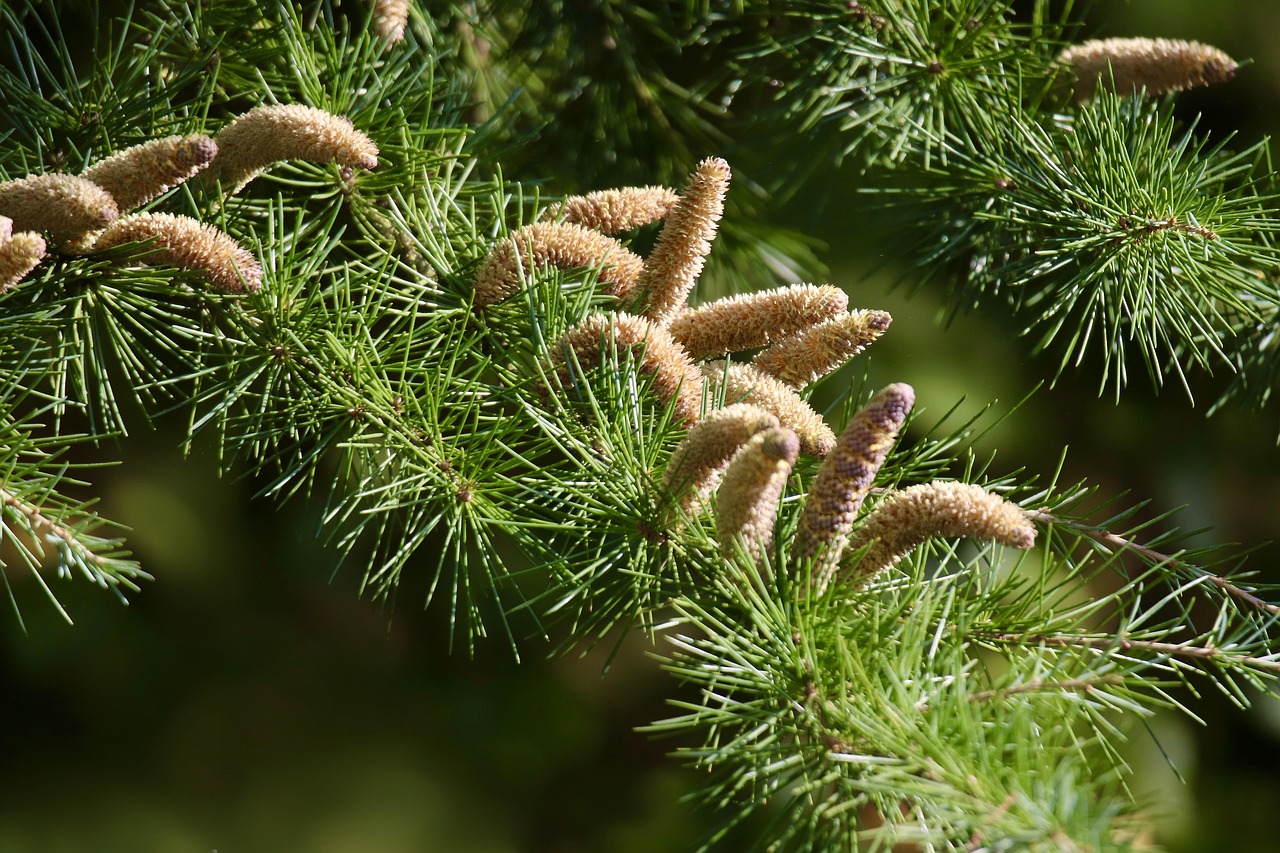
Eastern red cedars are dioecious, meaning that male and female flowers are borne on separate plants. The female trees produce bluish-purple berry-like cones that are eaten by many birds and mammals. The male trees produce small, brown pollen cones. The foliage is scale-like and aromatic, often turning a bronze color in the winter.
The Eastern red cedar has a rich history. Early colonists prized it for its rot-resistant heartwood, using it for everything from furniture to fence posts. The aromatic wood is also a natural insect repellent, making it ideal for lining closets and chests to protect woolens.
Here are some key characteristics of the eastern red cedar:
- Size: Typically grows to 30-65 feet tall and 8-20 feet wide.
- Shape: Pyramidal or columnar.
- Foliage: Scale-like, blue-green to green, turning bronze in winter.
- Bark: Grayish to reddish-brown, peeling in strips.
- Fruit: Bluish-purple, berry-like cones on female trees.
Eastern red cedar is not only aesthetically pleasing but also serves several practical purposes. The Eastern red cedar uses are varied, from providing windbreaks to preventing soil erosion. It’s also a valuable resource for wildlife, offering food and shelter. Plus, it’s relatively low-maintenance once established, making it a great option for those looking for a hardy and attractive evergreen.
Why Eastern Red Cedar Is a Great Choice for Landscapes
Eastern red cedar trees often get overlooked, maybe because they’re so common. You see them everywhere, growing along roads and in fields. But don’t let that fool you! There are some real Eastern red cedar benefits that make them a smart pick for your yard. They’re tough, adaptable, and can add a lot to your landscape.
One of the best things about Eastern red cedars is how well they handle tough conditions. They don’t mind drought, heat, or cold. No matter what the weather throws at them, these trees can usually handle it. They’re also not picky about soil. Whether it’s dry, rocky, or alkaline, they can grow in it. This makes them a good choice if you have poor soil conditions where other trees might struggle.
Eastern red cedars are also great for wildlife. They provide food and shelter for birds, butterflies, and other animals. The berries are a good food source for birds in the winter, and the dense foliage provides cover from predators and harsh weather. If you want to attract wildlife to your yard, planting an eastern red cedar is a good way to do it.
Eastern red cedar can be used in many ways in the landscape. You can plant them as a single tree, in groups, or as a hedge. They can also be used as a windbreak or to stabilize soil on slopes. Some of the smaller types can even be grown in pots. There are many different cultivars available, with different shapes and sizes, so you can find one that fits your needs.
Here are a few ways you can use eastern red cedar in your landscape:
- Screening: Plant them in a row to create a natural screen for privacy.
- Windbreak: Use them to block wind and protect your home or garden.
- Specimen tree: Plant a single tree as a focal point in your yard.
- Erosion control: Use them to stabilize soil on slopes and prevent erosion.
While eastern red cedar is a great choice for many landscapes, it’s important to manage it well. If left unchecked, it can spread quickly and crowd out other plants. This is especially true in open fields and prairies. Regular mowing or digging out seedlings can help keep it under control. Also, be aware that eastern red cedar is an alternate host for cedar-apple rust, which can damage apple trees. If you have apple trees, it’s best not to plant eastern red cedar nearby. Consider the superior heat tolerance of this tree if you live in a hot climate.
Choosing the Right Location to Plant Eastern Red Cedar
Selecting the ideal spot for your Eastern Red Cedar is super important for its long-term health and growth. These trees can live for a long time, so you want to get them right from the start. Think about the space it will need as it matures, and consider the tree’s needs for sunlight and soil conditions.
Sunlight Exposure
Eastern Red Cedars are sun-loving trees. They need at least six hours of direct sunlight each day to thrive. Without enough sun, they can become thin and weak. Make sure the location you choose isn’t shaded by buildings or other large trees that will block the sunlight. A sunny spot is key for a healthy, dense canopy.
Soil Drainage
Good drainage is a must for Eastern Red Cedars. They don’t like to sit in waterlogged soil, which can lead to root rot and other problems. Before planting, check the soil’s drainage by digging a hole and filling it with water. If the water takes a long time to drain, you might need to improve the drainage by adding organic matter or choosing a different location. Efficient soil drainage is critical for their survival and growth.
Space Considerations
Eastern Red Cedars can grow to be quite large, so it’s important to give them enough space. Consider the mature size of the tree when choosing a location. You don’t want it to be too close to buildings, power lines, or other trees. Overcrowding can lead to poor air circulation and increase the risk of disease. Also, think about the root system, which can spread out quite a bit. Give the tree plenty of room to grow without interfering with underground utilities or structures.
Planting an Eastern Red Cedar in the right location sets the stage for a long and healthy life. By considering sunlight, soil drainage, and space requirements, you can ensure that your tree thrives for many years to come. Taking the time to choose the perfect spot is an investment in the tree’s future.
Wind Exposure
These trees are pretty tolerant of wind, which is a nice bonus. They were even used as windbreaks back in the day. But, if you live in an area with really strong winds, it’s still a good idea to plant them in a spot that offers some protection, especially when they’re young. This helps prevent them from getting damaged or uprooted during storms.
Here’s a quick checklist to keep in mind:
- Ensure the location gets at least 6 hours of direct sunlight daily.
- Verify the soil drains well to prevent waterlogging.
- Provide ample space for the tree to reach its mature size.
- Consider wind exposure, especially in areas with strong winds.
- Check for underground utilities before digging.
Soil Requirements for a Thriving Eastern Red Cedar
Eastern Red Cedars aren’t too picky, but giving them the right soil conditions will help them thrive. They can handle a variety of soil types, which is one reason they’re so popular. However, there are a few things to keep in mind to ensure your Pencil Cedar tree gets off to a great start.
Soil Drainage: The Key to Success
Good drainage is essential for Eastern Red Cedars. These trees don’t like having their roots sitting in water. If the soil stays soggy, it can lead to root rot and other problems. Make sure the planting location doesn’t have standing water after rain. If your soil is heavy clay, you might need to amend it to improve drainage.
pH Levels: Keeping it Balanced
Eastern Red Cedars prefer slightly acidic to neutral soil. A pH between 6.0 and 7.0 is ideal. You can test your soil with a simple kit from a garden center. If the pH is too high (alkaline), you can lower it by adding sulfur or organic matter. If it’s too low (acidic), you can raise it with lime. Getting the soil pH right makes a big difference.
Soil Preparation: Setting the Stage
Before planting, it’s a good idea to prepare the soil. Loosen it up to about 12 inches deep to help the roots spread easily. Adding organic matter, like compost or well-rotted manure, can improve the soil’s structure and fertility. This gives the tree a good start and helps it establish quickly.
Preparing the soil properly before planting is a simple step that can have a big impact on the long-term health and growth of your Eastern Red Cedar. It’s worth taking the time to do it right.
Improving Soil Conditions: A Step-by-Step Guide
Here’s a simple checklist to help you get the soil just right:
- Test the soil: Use a soil test kit to determine the pH and nutrient levels.
- Amend as needed: Add sulfur or lime to adjust the pH, based on your test results.
- Incorporate organic matter: Mix in compost or aged manure to improve drainage and fertility.
- Loosen the soil: Dig and loosen the soil to a depth of at least 12 inches before planting.
How Much Sunlight Does Eastern Red Cedar Need?
Eastern Red Cedars are sun-loving trees, and getting enough sunlight is super important for their health and growth. If you’re thinking about planting one, or if you already have one that isn’t doing so hot, pay close attention to how much sun it’s getting. Let’s get into the specifics.
Eastern Red Cedars need at least six hours of direct sunlight each day to thrive.
Sunlight is like food for plants. Without enough, they can’t photosynthesize properly, which means they can’t produce the energy they need to grow strong and healthy. Think of it like trying to run a car on an empty tank – it just won’t work.
If your tree isn’t getting enough sun, you might notice some problems, like:
- Thin or sparse foliage
- Slower growth than expected
- Branches that are reaching or bending towards the light
If you see these signs, it might be time to consider moving your tree (if it’s small enough) or pruning nearby trees that are blocking the sunlight. Remember that choosing the right location to plant is key to the tree’s health.
Proper Watering Practices for Eastern Red Cedar
Getting the watering right for your Eastern Red Cedar is super important. Too much or too little water can really mess with its health. It’s all about finding that sweet spot, especially when they’re young.
Watering Frequency: Finding the Balance
When you first plant an Eastern Red Cedar, it needs consistent moisture to help those roots get established. Water it deeply about once a week during its first year. This encourages the roots to grow down deep. After that first year, you can usually back off and only water when things get dry. Established trees are pretty drought-tolerant, thanks to their deep root systems.
Signs of Overwatering and Underwatering
Knowing what to look for can save your tree a lot of trouble. Here’s a quick rundown:
- Overwatering: If the soil stays soggy, that’s a bad sign. It means the roots aren’t getting enough oxygen, which can lead to root rot.
- Underwatering: Dry, brittle leaves that crumble easily are a telltale sign that your tree is thirsty. The leaves might even start to turn brown.
- Stunted Growth: If your tree isn’t growing as expected, it could be related to watering issues.
It’s better to underwater slightly than to overwater. Eastern Red Cedars don’t like sitting in wet soil, so make sure the area has good drainage. If you’re not sure, stick your finger a few inches into the soil to check the moisture level before watering.
Watering Established Trees
Once your Eastern Red Cedar is established, it won’t need as much attention. Usually, rainfall will take care of things. But during long dry spells, give it a good, deep soak every few weeks. This helps keep the tree healthy and strong. Think of it as a little boost to help it through the tough times. You can find more tree care tips in our other articles.
Fertilizing Eastern Red Cedar: Do You Need To?
Eastern Red Cedars are generally pretty low-maintenance, and that extends to fertilization. Unlike some plants that demand regular feeding, these trees are often content with what nature provides. However, there are situations where a little boost can be beneficial. Let’s explore when and how to fertilize your Eastern Red Cedar.
Generally, healthy Eastern Red Cedars don’t require regular fertilization. Over-fertilizing can do more harm than good, leading to weak growth and increased susceptibility to pests and diseases. It’s all about finding the right balance.
If you’re unsure about your soil’s nutrient content, a soil test is always a good idea. It’ll give you a clear picture of what’s lacking and help you make informed decisions about fertilization. You can usually get a soil test kit from your local garden center or extension office.
Think of fertilizing as a targeted treatment rather than a routine practice. Observe your tree closely. Is it showing signs of slow growth, yellowing foliage, or poor overall health? If so, a little fertilizer might be in order. But if your tree is thriving, it’s best to leave it alone.
Here are some things to consider:
- Soil Quality: If your soil is particularly poor or lacking in essential nutrients, fertilization can help. Sandy soils, for example, often drain quickly and don’t retain nutrients well.
- Tree Age: Young trees benefit more from fertilization than mature ones. A little boost can help them establish strong roots and get off to a good start.
- Environmental Conditions: Trees growing in stressful environments, such as areas with heavy pollution or compacted soil, may need extra nutrients to stay healthy.
To plant eastern red cedar, choose a location with full sun and well-drained soil to ensure the tree’s health and vitality. These requirements increase the tree’s chances of growth and longevity.
Types of Fertilizer for Eastern Red Cedar
When it comes to choosing a fertilizer, there are two main options: organic and synthetic. Both have their pros and cons, so it’s important to choose the one that best suits your needs and preferences.
- Organic Fertilizers: These are derived from natural sources, such as compost, manure, or bone meal. They release nutrients slowly and gradually, improving soil health over time. They’re also less likely to burn the roots of your tree. Organic options naturally enrich the soil, providing a sustained release of nutrients in a manner that’s safe for the tree and the environment.
- Synthetic Fertilizers: These are manufactured chemically and provide a quick burst of nutrients. They’re often more concentrated than organic fertilizers, so it’s important to use them carefully to avoid over-fertilizing. For those seeking quicker results, synthetic fertilizers offer a more immediate nutrient boost, though they should be applied with caution to avoid potential chemical burns.
When selecting a fertilizer, look for a balanced formula with equal amounts of nitrogen, phosphorus, and potassium (e.g., 10-10-10). You can also find fertilizers specifically formulated for evergreens, which may contain additional micronutrients that Eastern Red Cedars need.
When to Fertilize
The best time to fertilize Eastern Red Cedar is in early spring, just before new growth begins. This gives the tree a boost of nutrients to fuel its spring growth spurt. You can also fertilize in the fall to help the tree store nutrients for the winter, but avoid fertilizing late in the season, as this can encourage new growth that is vulnerable to frost damage. Fertilizing eastern red cedar follows the natural growth cycle of spring and fall.
How to Fertilize
To fertilize, spread the fertilizer evenly around the base of the tree, avoiding direct contact with the trunk. Water thoroughly to help the fertilizer soak into the soil. Follow the instructions on the fertilizer package carefully, and don’t overdo it. Remember, less is often more when it comes to fertilizing Eastern Red Cedars.
Here’s a quick guide:
- Choose the right fertilizer: Select a balanced, slow-release fertilizer or one specifically formulated for evergreens.
- Apply in early spring: Fertilize just before new growth begins.
- Spread evenly: Distribute the fertilizer around the base of the tree, avoiding the trunk.
- Water thoroughly: Help the fertilizer soak into the soil.
- Follow instructions: Don’t over-fertilize; less is often more.
How to Mulch Around an Eastern Red Cedar Tree

Mulching is a simple yet effective practice that offers numerous benefits to your Eastern Red Cedar. It helps retain soil moisture, suppresses weeds, regulates soil temperature, and even adds a touch of aesthetic appeal to your landscape. But, like any gardening task, it’s important to do it right.
Proper mulching is essential for the health and vigor of your Eastern Red Cedar.
Mulch acts as a protective layer, shielding the soil from extreme temperature fluctuations and preventing moisture loss through evaporation. It also creates a barrier against weeds, reducing competition for nutrients and water. Over time, organic mulches decompose, enriching the soil with valuable nutrients.
Here’s a simple guide to mulching around your Eastern Red Cedar:
- Choose the Right Mulch: Opt for organic mulches like wood chips, shredded bark, or pine straw. These materials decompose slowly, providing long-lasting benefits and enriching the soil as they break down. Avoid using inorganic mulches like rocks or gravel, as they don’t offer the same advantages.
- Prepare the Area: Before applying mulch, remove any existing weeds or debris from around the base of the tree. This will prevent weeds from growing through the mulch layer and competing with the tree for resources.
- Apply the Mulch: Spread a 2-4 inch layer of mulch around the base of the tree, extending out to the drip line (the outermost circumference of the tree’s branches). Be sure to keep the mulch a few inches away from the trunk of the tree to prevent rot and pest infestations. You can check soil drainage to ensure proper conditions.
Pruning Eastern Red Cedar for Shape and Health
Pruning your Eastern Red Cedar isn’t just about aesthetics; it’s a vital part of maintaining its health and vigor. Regular pruning encourages denser growth, improves air circulation, and helps prevent disease. Knowing when and how to prune is key to keeping your cedar thriving. Let’s explore the best practices for pruning your Eastern Red Cedar.
When to Prune Eastern Red Cedar
Timing is everything when it comes to pruning. The ideal time to prune an Eastern Red Cedar is in late winter or early spring, just before new growth begins. This allows the tree to recover quickly and put its energy into producing healthy foliage. Avoid pruning in late summer or fall, as this can stimulate new growth that won’t have time to harden off before winter, making it vulnerable to cold damage.Pruning in late winter helps maintain the tree’s form while preserving its natural beauty.
How to Prune Eastern Red Cedar
Proper pruning techniques are essential for maintaining the health and shape of your Eastern Red Cedar. Here’s a step-by-step guide:
- Remove Dead or Diseased Branches: Start by cutting away any dead, damaged, or diseased branches. Cut them back to the main trunk or a healthy lateral branch. This prevents the spread of disease and improves the tree’s overall health.
- Thin Overcrowded Areas: Thin out any areas where branches are too dense. This improves air circulation and sunlight penetration, reducing the risk of fungal diseases.
- Shape the Tree: Trim any overgrown or wayward branches to maintain the tree’s natural conical shape. Cut just above a lateral branch or bud, ensuring a clean cut to promote healthy regrowth.
- Control Height (If Necessary): If you need to control the height of your Eastern Red Cedar, trim the top of the tree back to a lateral branch. Be careful not to remove too much at once, as this can stress the tree.
Pruning is more than just cutting branches; it’s about understanding the tree’s growth habits and promoting its long-term health. Always use sharp, clean pruning tools to prevent the spread of disease. Sterilize your tools with rubbing alcohol between cuts, especially when working on diseased branches.
Pruning for Specific Shapes and Sizes
Eastern Red Cedars can be pruned to achieve various shapes and sizes, depending on your landscape design. Some popular options include:
- Hedges: Eastern Red Cedars make excellent hedges when regularly pruned to maintain a dense, uniform shape.
- Topiary: With careful pruning, Eastern Red Cedars can be shaped into various topiary forms, adding a touch of elegance to your garden.
- Specimen Trees: Allow your Eastern Red Cedar to grow naturally, with minimal pruning to remove dead or diseased branches and maintain its overall health.
Tools for Pruning
Having the right tools makes pruning easier and more effective. Here are some essential tools for pruning Eastern Red Cedar:
- Hand Pruners: For small branches (up to 3/4 inch in diameter).
- Loppers: For larger branches (up to 1 1/2 inches in diameter).
- Pruning Saw: For branches too thick for loppers.
- Ladder: For reaching higher branches.
- Gloves: To protect your hands.
Post-Pruning Care
After pruning, it’s important to provide your Eastern Red Cedar with proper care to help it recover and thrive. Water the tree thoroughly, and consider applying a layer of mulch around the base to help retain moisture and suppress weeds. Avoid fertilizing immediately after pruning, as this can stimulate excessive new growth. Monitor the tree for any signs of stress or disease, and take action promptly if any problems arise. Regular tree care is important for the tree’s health.
Common Pests and Diseases Affecting Eastern Red Cedar
Eastern Red Cedars, while generally hardy, aren’t immune to problems. Knowing what to look for can save your tree. Early detection and action are key to keeping your eastern red cedar healthy.
Bagworms
Bagworms are a common nuisance. These pests create little bags on the branches, which they live in while munching on the foliage. If left unchecked, they can cause significant damage.
- Pick them off by hand if the infestation is small.
- Use insecticidal soap or horticultural oil for larger infestations.
- Monitor your tree regularly, especially during the growing season.
Cedar-Apple Rust
Cedar-apple rust is a fungal disease that requires both cedar and apple trees to complete its life cycle. It shows up as orange, gelatinous growths on the cedar during wet spring weather. While it doesn’t seriously harm the cedar, it can affect nearby apple trees. Planting cedars away from apple trees is a good preventative measure.
Spider Mites
Spider mites are tiny pests that suck sap from the needles, causing them to turn yellow or brown. They thrive in hot, dry conditions. You might notice webbing on the branches if you have a spider mite problem.
- Increase humidity around the tree by spraying it with water.
- Use insecticidal soap or horticultural oil.
- Ensure the tree is not stressed by drought.
Root Rot
Root rot is a serious issue that occurs in waterlogged soil. The roots start to decay, which can eventually kill the tree. Proper drainage is essential to prevent this.
Ensuring proper soil drainage is crucial. Amend heavy clay soils with organic matter to improve drainage. Avoid overwatering, especially in poorly draining areas. Consider planting the tree on a slight mound to further enhance drainage.
Needle Blight
Needle blight causes the needles to turn brown and fall off prematurely. It’s often caused by fungal pathogens and can weaken the tree. Good air circulation and proper watering practices can help prevent needle blight.
- Prune the tree to improve air circulation.
- Avoid overhead watering.
- Apply a fungicide if the problem is severe.
How to Prevent Cedar-Apple Rust and Other Fungal Issues
Eastern red cedars, while generally robust, can be susceptible to fungal diseases, with cedar-apple rust being a common concern. Prevention is key to maintaining the health and vigor of your tree. Let’s explore some strategies to keep these fungal issues at bay.
One of the most effective ways to prevent cedar-apple rust is to create distance between your eastern red cedar and any apple or crabapple trees. The fungus requires both hosts to complete its life cycle, so separation can significantly reduce the risk of infection. If you have apple trees, consider planting your eastern red cedar at least 500 feet away.
Here are some additional tips to help prevent fungal problems:
- Ensure good air circulation: Prune your eastern red cedar to allow for better airflow throughout the tree. This helps reduce humidity, where fungi thrive.
- Avoid overhead watering: Water at the base of the tree to prevent the foliage from staying wet for extended periods.
- Remove galls promptly: If you spot any cedar-apple rust galls on your eastern red cedar, prune them off and dispose of them properly. Do not compost them, as the spores can still spread.
Maintaining the overall health of your eastern red cedar is also crucial. A healthy tree is better equipped to resist disease. Make sure your tree receives adequate sunlight, water, and nutrients. Regular inspection can help you catch problems early, before they become severe.
While fungicides can be used to manage cedar-apple rust, they are often not necessary if you take preventative measures. If you do choose to use a fungicide, be sure to follow the instructions carefully and apply it at the appropriate time of year, typically in early spring when the galls are actively producing spores. Remember to consult with a professional arborist for guidance on the best course of action for your specific situation.
Cold Weather and Wind Protection for Eastern Red Cedar
Eastern Red Cedars are pretty tough, but they can still struggle with really harsh winter conditions and strong winds. Taking a few precautions can help them thrive. It’s all about minimizing stress so they can focus on staying healthy.
Mulching for Winter Insulation
Mulch is your friend! A good layer of mulch around the base of your Eastern Red Cedar acts like a cozy blanket. It helps insulate the soil, keeping the roots warmer and preventing them from drying out during freezing temperatures. Aim for a 2-4 inch layer of organic mulch, like wood chips or shredded bark. Just make sure to keep the mulch a few inches away from the trunk to avoid rot.
Watering Before the Ground Freezes
Before the ground freezes solid, give your Eastern Red Cedar a good, deep watering. This helps the tree build up moisture reserves to get through the winter. Think of it as hydrating before a long journey. It’s especially important for younger trees that haven’t fully established their root systems yet. Proper winter care is key to vitality.
Windbreaks and Shelters
If you live in an area with strong, persistent winds, consider providing some kind of windbreak for your Eastern Red Cedar. This could be as simple as planting it in a location that’s sheltered by other trees or buildings. For more exposed areas, you might need to construct a temporary windbreak using burlap or other materials. This is especially important for newly planted trees that haven’t had a chance to develop a strong root system.
Protecting your Eastern Red Cedar from harsh winter weather and strong winds is an investment in its long-term health and beauty. A little bit of preparation can go a long way in ensuring that your tree thrives for years to come.
Anti-Desiccant Sprays
In really cold, windy areas, consider using an anti-desiccant spray on your Eastern Red Cedar. These sprays create a protective barrier on the needles, helping to reduce moisture loss during the winter. This is especially helpful for preventing winter burn, which can cause the needles to turn brown and die. Follow the instructions on the product label carefully, and apply the spray on a day when the temperature is above freezing.
Here’s a quick recap of winter protection steps:
- Apply a 2-4 inch layer of mulch around the base.
- Water deeply before the ground freezes.
- Provide a windbreak if necessary.
- Consider using an anti-desiccant spray in harsh climates.
Long-Term Maintenance Tips for a Healthy Eastern Red Cedar
Taking care of an eastern red cedar isn’t just a one-time thing; it’s about setting up a routine that keeps your tree thriving for years. Think of it as a long-term commitment to tree care. Regular check-ups and a bit of preventative action can save you a lot of trouble down the road.
Regular Inspections for Pests and Diseases
Keep a close eye on your eastern red cedar. Look for anything out of the ordinary, like discolored foliage, unusual growths, or signs of pests. Catching problems early makes them way easier to deal with. Regular inspections are key to [eastern red cedar care].
Consistent Watering Schedule
Even after your eastern red cedar is established, it still needs water, especially during dry spells. Make sure the soil stays consistently moist, but not waterlogged. Overwatering can be just as bad as underwatering, so find that sweet spot.
Mulch Replenishment
Mulch is your friend. It helps retain moisture, suppresses weeds, and keeps the soil temperature even. Replenish the mulch layer around your tree every year or two to keep it working effectively.
A good layer of mulch can make a huge difference in the health of your eastern red cedar. It’s like giving your tree a cozy blanket that keeps it comfortable and protected.
Periodic Pruning
Pruning isn’t just for shaping; it’s also for maintaining the health of your tree. Remove any dead, damaged, or diseased branches to prevent problems from spreading. Regular pruning promotes good air circulation and sunlight penetration, which are essential for a healthy tree.
Soil Testing and Amendments
Soil conditions can change over time, so it’s a good idea to test your soil every few years. This will tell you if your tree is getting the nutrients it needs. Amend the soil as necessary to keep it balanced and healthy. Consider using organic matter to improve soil structure and fertility.
Protection from Environmental Stressors
Depending on your location, your eastern red cedar might need protection from harsh weather conditions. This could include windbreaks, shade cloth, or even just a good layer of mulch to insulate the roots. Protecting your tree from environmental stressors will help it stay healthy and strong for years to come.
Here’s a simple table to help you remember the key maintenance tasks:
| Task | Frequency | Purpose |
| Inspections | Monthly | Detect pests, diseases, and other problems early |
| Watering | As needed | Maintain consistent soil moisture, especially during dry periods |
| Mulch Replenishment | Every 1-2 years | Retain moisture, suppress weeds, and regulate soil temperature |
| Pruning | Annually | Remove dead, damaged, or diseased branches; promote air circulation |
| Soil Testing | Every 2-3 years | Assess nutrient levels and amend soil as needed |
| Environmental Protection | As needed | Protect from wind, sun, and other harsh weather conditions |
By following these long-term maintenance tips, you can ensure that your eastern red cedar remains a healthy and beautiful part of your landscape for many years to come.
Keeping your Eastern Red Cedar strong and healthy for years to come doesn’t have to be a mystery. With a few simple steps, you can ensure your tree thrives. Want to learn more about giving your cedar the best care possible? Visit our website for a complete guide to long-term tree health.
Frequently Asked Questions
What is an Eastern Red Cedar?
The Eastern Red Cedar, known scientifically as Juniperus virginiana, is a type of juniper tree that grows naturally in eastern North America. It’s an evergreen, meaning it stays green all year, and it’s very tough, able to grow in many different places, from wet swamps to dry, rocky hills. This makes it a common sight across its native lands.
How do I plant an Eastern Red Cedar?
To plant an Eastern Red Cedar, first pick a sunny spot with soil that drains water well. Dig a hole that’s twice as wide as the tree’s root ball, put the tree in, and then fill the hole back with soil. After planting, water the tree deeply and keep watering it regularly until it’s settled in its new home.
How should I water my Eastern Red Cedar?
To water your Eastern Red Cedar, especially in its first year, give it a good, deep drink at its base once a week to help its roots grow strong. After the first year, you only need to water it during dry spells to keep the soil moist, but be careful not to give it too much water.
When and how should I fertilize my Eastern Red Cedar?
You can fertilize your Eastern Red Cedar in early spring with a balanced, slow-release fertilizer. Spread it evenly around the tree’s base, but don’t let it touch the trunk. Then, water the area well to help the fertilizer soak in. Organic options like compost are also great for a steady supply of nutrients.
How can I protect my Eastern Red Cedar from pests and diseases?
To protect your Eastern Red Cedar from bugs and sickness, regularly check it for signs of pests like bagworms or spider mites. If you find them, you can use insecticidal soap or horticultural oil. Keeping the tree healthy with good care also helps it fight off problems on its own.
What are common pests and diseases that affect Eastern Red Cedars?
Common issues include bagworms, cedar-apple rust, spider mites, and diseases like root rot and needle blight. Bagworms can eat the tree’s leaves, and cedar-apple rust shows up as orange, jelly-like spots on the tree, especially when it’s wet.
What kind of care does an Eastern Red Cedar need in winter?
For winter, make sure to mulch around the tree and water it well before the cold sets in. This helps protect its roots from freezing and keeps it hydrated through the colder months. Choosing the right type of mulch and applying it at the correct depth are important steps.
When should I call a professional arborist for my Eastern Red Cedar?
It’s a good idea to call a professional tree expert if your Eastern Red Cedar shows serious signs of bug problems, sickness, or damage, such as large dead branches or cracks in the trunk. Also, get expert help if the tree needs a lot of trimming or if it seems like it could fall and hurt nearby buildings.
Request a Quote
Our Services


