Fig Tree Growing Zone Tips
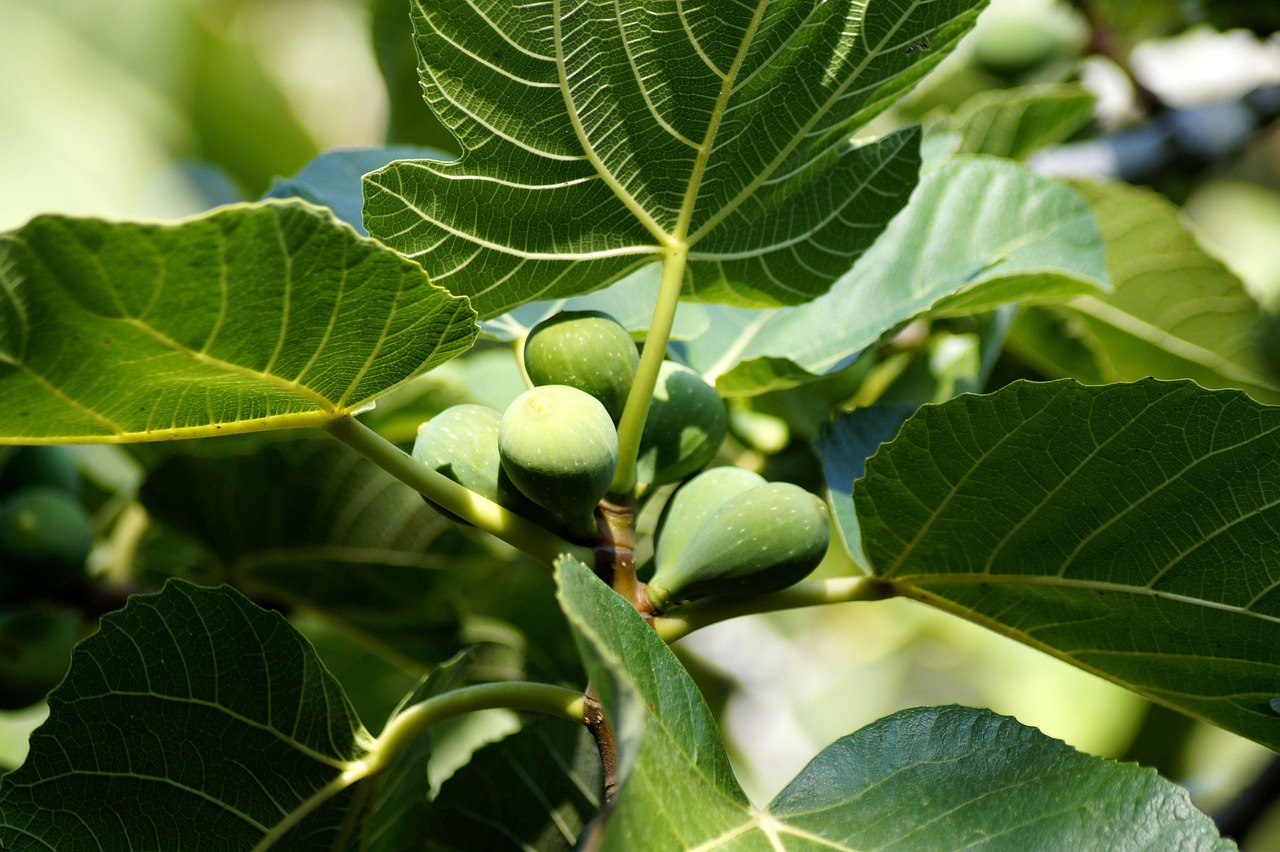
So, you’ve got a fig tree, or you’re thinking about getting one. That’s awesome! These trees can be super rewarding, giving you delicious fruit right in your own yard. But, like anything living, they need a little know-how to really thrive. A big part of that is understanding where your fig tree is happiest, which is all about its growing zone. Think of it as finding the perfect neighborhood for your tree. Fig trees do best when planted in areas that match their preferred climate, which is determined by the fig tree growing zone. Understanding your specific fig tree growing zone helps you pick the right varieties and know how to care for them, especially regarding temperature.
We’ll break down what the fig tree growing zone means and how to make sure yours is set up for success, from watering to dealing with the weather.
So, you’re thinking about growing a fig tree? That’s awesome! These trees can be super rewarding, giving you delicious fruit and looking pretty cool in your yard. But before you rush out and buy one, it’s important to know about something called the ‘growing zone’. Think of it like a map that tells you which plants are likely to do well in your specific area based on the typical winter temperatures.
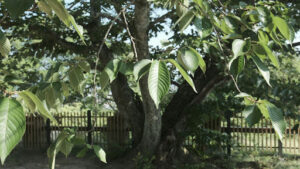
Fig trees aren’t all the same; some are tougher than others when it comes to cold. Most common fig trees can be grown in USDA Zones 8 to 10 without needing any special winter protection. This means if you live in these warmer parts of the country, you’ve got a pretty good shot at success. However, even in colder zones, like 5 or 6, people have figured out ways to grow them, often by using containers or giving them extra help to survive the winter. It really comes down to picking the right variety for where you live.
Here’s a quick rundown of what you need to consider:
- Sunlight: Fig trees are sun-worshippers. They need as much direct sunlight as possible, ideally at least 8 hours a day, to really get going and produce fruit.
- Soil: They like soil that drains well. If your soil holds too much water, the roots can get unhappy. Adding things like compost can help a lot.
- Variety: Not all fig trees are created equal. Some are built to handle colder weather, while others prefer it hot. Choosing a variety suited to your local climate is key.
Fig trees are surprisingly tough. They can handle a wide range of conditions, but giving them the right start by understanding your growing zone and picking the right spot makes a huge difference in how well they grow and how much fruit you get.
Don’t get too worried if your soil isn’t perfect or if you’re in a slightly cooler zone. With a little bit of attention and the right approach, you can still enjoy homegrown figs. It’s all about working with nature, not against it.
How to Identify Your Fig Tree Growing Zone
Figuring out the right fig tree growing zone for your location is pretty straightforward, but it’s a super important first step. Knowing your USDA Plant Hardiness Zone is key to picking a fig variety that will actually survive and thrive where you live. Most fig trees do best in warmer climates, generally USDA zones 7 through 11, where winters are mild, and summers are long and hot. These conditions allow the trees to produce fruit reliably without needing a lot of extra winter protection.
However, if you’re in a cooler area, like zones 5 or 6, don’t despair! Some fig varieties are more cold-hardy, and you can still grow them successfully. The trick is usually providing some winter protection, like wrapping the tree or even bringing potted figs indoors during the coldest months. It’s all about matching the fig’s needs to your local climate.
Here’s a quick rundown of how to figure out your zone:
- Check the USDA Plant Hardiness Zone Map: This is the standard reference. You can easily find it online by searching for “USDA Plant Hardiness Zone Map.” Just enter your zip code, and it’ll tell you your zone.
- Consider Your Local Microclimate: While the USDA map is a great starting point, your specific yard might have slightly different conditions. Are you in a sheltered spot, or is it exposed to harsh winds? This can influence how well a fig tree growing zone designation applies to your exact location.
- Look at Average Winter Low Temperatures: The zones are based on the average annual extreme minimum temperature. Knowing this number helps you understand the coldest temperatures your fig tree growing zones might experience.
Remember, even within the same fig tree growing zone, different varieties have different tolerances. Some might handle a bit more cold than others, so always check the specific needs of the fig variety you’re interested in. This attention to detail makes a big difference for successful fig tree growing zones.
So, before you buy that fig tree, take a few minutes to pinpoint your USDA zone. It’s the best way to set yourself up for a delicious harvest from your fig tree growing zones!
Climate and Soil Considerations in Different Fig Tree Growing Zones
When you’re figuring out where to plant your fig tree, the climate and the dirt beneath its roots are super important. Different fig varieties have different ideas about what they like, especially when it comes to temperature and soil type. It’s not just about whether your zone gets hot or cold; it’s also about how well your soil drains and what it’s made of.
Fig trees generally do best in full sun and need soil that doesn’t hold too much water. This is pretty consistent across most growing zones, but how you achieve it can change.
Here’s a quick rundown:
- Temperature Tolerance: Most common fig varieties can handle winter lows between 5-10°F, though some might survive brief dips to 0°F. Extreme heat, like over 110°F, can also be tough on them for extended periods. This is why zones 7 and warmer are generally considered ideal for in-ground planting, while zones 5 and 6 often require container growing and winter protection.
- Sunlight Needs: Regardless of your zone, figs crave sunlight. Aim for at least 6-8 hours of direct sun daily. If you’re in a hotter climate, some afternoon shade might be beneficial during the peak of summer, but don’t skimp on the morning sun.
- Soil Drainage: This is a big one. Fig roots hate sitting in soggy soil, which can lead to root rot. If you have heavy clay soil, you’ll definitely want to amend it. Adding compost, well-rotted manure, or even some coarse sand can help improve drainage. For container growing, a good quality potting mix with added perlite or vermiculite works well.
- Soil pH: Most figs are happy with a slightly acidic to neutral soil pH, usually between 6.0 and 6.5. If your soil is way off, you might need to adjust it over time, but for most beginners, focusing on drainage and organic matter is the priority.
If your soil is heavy and doesn’t drain well, you can mix in organic matter like compost. This helps break up the soil, making it easier for water to pass through and for the roots to breathe. It also adds nutrients, which is a nice bonus.
Think about your specific location. Is it a low-lying area that collects water? Does it get blasted by wind? Choosing the right spot, even within your growing zone, makes a huge difference. For those in cooler zones, container growing is often the easiest way to manage climate challenges, allowing you to move the tree to a protected spot when winter rolls around.
Watering Guidelines Based on Your Fig Tree Growing Zone
Fig trees, bless their hearts, can be a bit particular about their drinks. They’re native to places that get pretty dry, so they’re built to handle a bit of a drought, storing water like a camel. But that doesn’t mean you can just forget about them, especially if you want a good harvest.
The golden rule? Feel the soil. Stick your finger in about two inches deep. If it feels dry, it’s probably time for a drink. If it’s still moist, hold off. Overwatering is a super common way to accidentally harm your fig, especially when it’s just chilling and not actively growing. It’s like giving someone too much water when they’re trying to sleep – not helpful!
Here’s a general idea of how often you might need to water, but remember, your specific zone and the weather play a huge role:
- Young Trees: These guys need more consistent moisture, especially in their first year. Think of them as seedlings needing a bit more attention.
- Established Trees (In-Ground): Once they’ve settled in, they’re pretty self-sufficient. You might only need to water during long, hot, dry spells, maybe once a week or so. Deep watering once a month in summer is good for flushing out salts.
- Container Trees: Pots dry out way faster, especially when it’s hot. You might be looking at watering every day if the temperatures are over 85°F. Always check the soil first, though!
When you do water, do it slowly and deeply. Aim the water at the base of the tree, extending out to where the roots are likely spreading – usually wider than the leaves. A soaker hose or a slow drip is perfect for this. You want to encourage those roots to grow deep, not just stay near the surface.
Watering needs change throughout the year. Early in the growing season, before the fruit starts to form, give your fig tree plenty of water. Once the fruit is developing, cut back significantly. This helps concentrate the sugars in the fruit and prevents splitting. As fall approaches and the weather cools, gradually reduce watering to help the tree prepare for winter.
As the weather cools down in the fall, start cutting back on watering. You don’t want to keep them too wet as they head into dormancy. It’s all about giving them what they need, when they need it, and your fig tree will thank you with delicious fruit. For more on keeping your fig happy, check out these fig tree watering tips.
Seasonal Care Tips for Fig Trees in Various Growing Zones
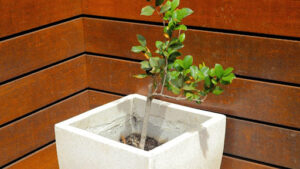
Taking care of your fig tree throughout the year really depends on where you live. It’s not a one-size-fits-all deal, you know?
The biggest difference you’ll see season to season is how you handle winter, especially if you’re in a cooler zone.
Here’s a general rundown:
- Spring: This is when things really start waking up. If you pruned in late winter, you’ll see new growth popping out. It’s a good time to give your tree a bit of a feed, especially if it’s in a pot. Make sure the soil is consistently moist, but don’t go crazy with the watering until the weather really warms up and the tree starts setting fruit.
- Summer: This is the main event for fruit production. Keep an eye on watering – consistent moisture is key, particularly when those fruits are developing. If you notice leaves yellowing or browning, it could be a sign of too much or too little water. For trees in really hot climates, a little afternoon shade might be helpful, but don’t overdo it, or you won’t get much fruit.
- Fall: As the weather cools, your tree will start to slow down. If you’re in a zone where frost is a concern, you might want to stop fertilizing a few months before your first expected frost. This helps the new growth harden off a bit. For potted trees, start thinking about moving them to a protected spot, like a garage or basement, before the really cold weather hits.
- Winter: This is downtime for most fig trees. If you’re in a colder zone (think Zone 5 or 6), this is when you need to protect your tree. For trees in the ground, wrapping them with burlap or other protective material can help. For potted figs, bringing them indoors to a cool, dark place is usually the best bet. The goal is to protect the roots and the main branches from hard freezes. Even if the top dies back, a healthy root system can often send up new shoots in the spring.
Remember that fig trees are pretty tough. They can often survive temperatures that kill the branches back to the ground, and then they’ll regrow from the roots. Most of the fruit actually grows on new wood, so even if you have some winter dieback, you can still get a harvest that year. It’s all about giving them a fighting chance.
If you’re growing figs in containers, you’ll need to be a bit more attentive. They dry out faster, and their roots are more exposed to cold. So, moving them indoors for winter is pretty much a must in colder climates.
Common Challenges in Fig Tree Growing Zones and How to Overcome Them
Even the most enthusiastic fig grower can run into a few snags now and then. Don’t let a little trouble get you down, though. Most fig tree issues are manageable with a bit of know-how.
One of the most talked-about problems is the Fig Mosaic Virus. Honestly, almost all fig trees have it to some degree. Usually, it’s not a big deal, but sometimes it can make leaves look blotchy, stunt growth, or mess with the fruit. The best defense? Keep your tree healthy and happy. Good soil and proper feeding can make a world of difference. If things get really bad, you might need to prune back to healthy wood. It’s a common fig disease, but usually not a showstopper for a healthy fig tree.
Then there’s the issue of pests. Scale insects and red spider mites can sometimes show up, especially if conditions aren’t quite right. A gentle spray of horticultural oil or insecticidal soap usually does the trick. Just keep an eye out and act fast if you spot any unwelcome visitors.
Soil drainage is another common hurdle. Fig trees really don’t like soggy feet. If your soil is heavy clay, mixing in some compost or well-rotted manure can really help it drain better. For container plants, a good quality potting mix with plenty of perlite or vermiculite is key. You want that water to flow through, not sit around.
Here are a few more things to watch out for:
- Wind Damage: Strong winds can break branches. Planting in a sheltered spot or using windbreaks helps.
- Sunlight Issues: Not enough sun means less fruit. Make sure your tree is in a sunny location, especially in cooler zones.
- Over or Underwatering: This is a classic. Stick your finger in the soil; if it’s dry an inch or two down, it’s time to water. Let the soil dry out a bit between waterings.
- Winter Cold: In colder zones, this is a big one. Protecting your tree is vital. This might mean wrapping it up or even bringing container plants indoors. For those in zones 5 and 6, extra winter protection is often needed.
Dealing with these challenges often comes down to observation and timely action. Paying attention to your tree’s needs and making small adjustments can prevent minor issues from becoming major problems. It’s all about giving your fig tree the best possible environment to thrive.
Sometimes, you might just have a tree that’s a bit stubborn about producing fruit. This can happen, especially with younger trees. Patience is key, but also consider pinching back the tips of new growth during the growing season. This little trick can sometimes encourage the tree to focus on fruit production instead of just leaves. It’s a technique that can improve fruit quality and yield.
Fertilizing Tips Tailored to Your Fig Tree Growing Zone
Feeding your fig tree can give it a nice boost, especially if the soil you’re working with is a bit tired. While fig trees aren’t super picky, they do appreciate well-draining, loamy soil that has some good organic matter mixed in. For trees planted in the ground, getting a soil test from your local extension office is a smart move. It helps you figure out exactly what your soil is missing.
When you’re thinking about fertilizer, it’s often best to feed your tree before it starts setting fruit. This timing can vary depending on your specific growing zone and when your fig tree typically fruits. Some folks like to use a balanced fertilizer, while others add a bit of nitrogen before the fruits appear. If your tree is in a container, it might benefit from a liquid fertilizer applied a few times during the growing season.
The amount of fertilizer you use and the type can make a big difference. Too much nitrogen after the fruit has set, for instance, can lead to cracked fruit or affect the overall quality. Many growers find success with NPK ratios like 10-4-12, 10-10-10, or 20-10-20. Remember to always follow the instructions on the fertilizer packaging for application rates.
Here’s a general idea of when to fertilize:
- Container-grown trees: Feed about 4-6 times, starting at the beginning of the growing season and stopping once you see fruit set. Alternatively, a single application of slow-release fertilizer works too.
- In-ground trees: Apply fertilizer before fruit set. For trees in cooler zones, a final feeding about 3 months before your average first frost can help new branches harden off for winter.
- General nutrient needs: Fig trees really like calcium and magnesium, and it’s good to make sure they’re getting all their trace minerals and micronutrients. Silica can be a helpful addition, especially in humid areas, as it can help with common issues like rust.
It’s also a good idea to check your soil pH annually. Aiming for a pH between 6 and 7.5 is ideal, though fig trees are pretty forgiving and can handle a range of pH levels.
Pay attention to how your tree responds. Sometimes, yellowing leaves can be a sign of too much or too little water, but they can also indicate nutrient imbalances. Adjusting your fertilizing schedule and type based on your tree’s appearance and your specific growing conditions is key to happy, healthy fig production.
Protecting Your Fig Tree in Cooler Growing Zones
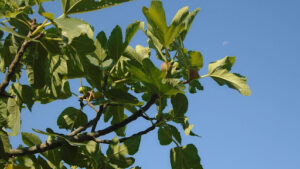
Alright, so you’re living in a spot where winter really bites, maybe zones 5 or 6, and you’ve got your heart set on growing figs. It’s totally doable, but you’ve got to give your tree a little extra help when the cold weather rolls in. The main thing is understanding that while the wood above ground might not make it through a harsh freeze, the roots are surprisingly tough. They can often survive temperatures that would kill the branches, and guess what? Figs fruit on new growth, so even if the top dies back, you can still get fruit the next summer.
The key is to protect the roots and, if possible, the lower part of the trunk.
Here are a few ways to help your fig tree survive the chill:
- Containerize: This is probably the easiest method for zones 5 and 6. Grow your fig in a pot that you can move. When fall arrives, and temperatures start dropping consistently below freezing, bring the pot into a cool, unheated garage, basement, or shed. Make sure it still gets a little light if possible, but the main goal is to keep it from freezing solid. Water it sparingly over the winter – just enough to keep the soil from drying out completely.
- Bury the Pot: If moving a large pot is too much, you can bury the entire container in the ground for the winter. Dig a hole big enough to fit the pot, place it in, and then fill in the soil around it. This acts as insulation, keeping the roots at a more stable temperature. You can also cover the top of the pot with mulch or straw for extra protection.
- Wrap and Insulate: For trees planted directly in the ground, you can wrap the trunk and lower branches. Use burlap, old blankets, or even specialized tree wrap. Stuff the wrapping with dry leaves, straw, or wood chips for added insulation. This helps protect the wood from harsh winds and extreme cold.
- Mulch Heavily: Regardless of whether your tree is in the ground or a pot, a thick layer of mulch around the base is a good idea. This helps insulate the soil and protect the roots from temperature fluctuations.
Remember that young trees are more vulnerable than established ones. Be extra diligent with protection for your first few years. Even if the top growth dies back, a healthy root system will usually bounce back in the spring, and you’ll be enjoying figs again before you know it.
Don’t forget about wind! Cold, dry winds can really do a number on exposed branches, even if the temperature itself isn’t that low. Planting your fig tree near a building or a fence can offer a bit of a windbreak, giving it a fighting chance against the elements.
Even in cooler areas, you can still grow delicious figs! Protecting your fig tree when the weather gets cold is key to a healthy harvest. Learn the best ways to keep your tree safe and thriving through the chilly months. For more tips and to see how we can help keep your trees healthy year-round, visit our website today!
Frequently Asked Questions
What is a fig tree’s growing zone?
A fig tree growing zone is like a map that tells you which areas are best for growing fig trees. It’s based on the average winter temperatures. Knowing your zone helps you pick fig varieties that can survive the cold winters in your area.
How do I know which growing zone I’m in?
You can find out your growing zone by looking at a USDA Plant Hardiness Zone Map. This map divides the country into different zones based on minimum winter temperatures. You can usually find this map online or ask at a local garden center.
How much water does a fig tree need?
Fig trees need consistent moisture, especially when they’re young and getting established. Aim to keep the soil damp, but not soggy. Water deeply when the top inch or two of soil feels dry. Reduce watering a bit after the fruit starts to form to keep the figs sweet.
When is the best time to water my fig tree?
Watering deeply is key. It’s best to water slowly and deeply, allowing the water to reach the roots. For established trees, watering once a week might be enough, especially during hot, dry spells. For trees in pots, you might need to water more often, possibly daily when it’s very hot.
Do I need to fertilize my fig tree?
Fertilizing can help if your soil isn’t very rich. It’s a good idea to feed your fig tree before it sets fruit. Using a balanced fertilizer or adding compost can give it a boost. If your tree is in a pot, it might need liquid fertilizer during the growing season.
How can I protect my fig tree in colder zones?
If you live in a colder zone (like 4-8), you might need to protect your fig tree in the winter. For trees in pots, you can move them to a cooler spot, like a garage or basement. For trees in the ground, you can wrap them with blankets or build a protective cover to shield them from the cold.
Request a Quote
Our Services