Identification Guide: Florida Tree Identification by Leaf
Right then, fancy getting to know the trees around Florida? It’s not as tricky as you might think, especially if you focus on the leaves. This guide is all about helping you figure out which tree is which, just by having a good look at its leaves. We’ll cover the basics, like what to look for and how to avoid common mix-ups, so you can get better at Florida tree identification by leaf. Leaves are often the best clue for Florida tree identification by leaf. Pay attention to their shape, vein patterns, and how they’re arranged.
Understanding Leaf Shape & Vein Patterns for Florida Tree Identification by Leaf
Right then, let’s get down to the nitty-gritty of identifying Florida’s trees using their leaves. It might sound a bit basic, but honestly, the shape and how the veins run through a leaf can tell you a surprising amount. You’ll find that most trees can actually be identified just by looking at their leaves alone.
First off, shape. Trees have all sorts of leaf shapes, and botanists have fancy names for them, but don’t let that put you off. You’ve got long, skinny ones like pine needles (they call those ‘acicular’), or you might see shapes that are more like a long oval (‘elliptical’) or even a bit like a spearhead (‘lanceolate’). It’s worth remembering that a tree’s leaves might not all look the same. If a tree is growing in a shady spot, its leaves might be bigger to catch more sun, while leaves out in the open might be smaller. It’s a bit like how we might wear different clothes depending on the weather.
Then there’s the vein pattern, or ‘venation’ as the experts say. Think of it like the leaf’s internal road system. The most common types are ‘pinnate’, where veins branch off a central line like a feather, and ‘palmate’, where several main veins spread out from one spot, like fingers from your palm. This can be a really clear way to tell some trees apart, even if their overall shape looks similar.
Here’s a quick rundown of some common shapes you might come across:
- Acicular: Long and needle-like (think pine trees).
- Elliptical: Oval-shaped, widest in the middle.
- Lanceolate: Long and narrow, like a lance head, tapering to a point.
- Ovate: Egg-shaped, wider at the base.
Don’t get too hung up on finding the ‘perfect’ example of a leaf shape. Nature is wonderfully varied, and you’ll often see a range of shapes on a single tree. The trick is to look at a few leaves and get a general idea, rather than fixating on one slightly odd-looking one. It’s all part of the fun of tree identification.
When you’re out and about, try to look at leaves from different parts of the tree. Sometimes the leaves on the sunny side are different from those in the shade. Also, pay attention to how the veins are arranged – is there a clear central vein with others branching off, or do they all seem to start from the same point? These details, when you put them all together, are your best bet for figuring out what tree you’re looking at. It’s a bit like being a detective, really!
Using Leaf Margin and Texture in Florida Tree Identification by Leaf
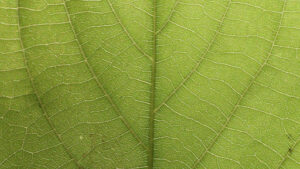
Right then, let’s talk about leaf margins and textures. Sometimes, two trees can look pretty similar from a distance, but get up close and personal with their leaves, and you’ll spot the differences. The edge of a leaf, what we call the margin, can be smooth, toothed, or even wavy. Think about it – a saw has teeth, right? So, a toothed margin might look a bit like that. Some leaves are as smooth as a polished stone, while others feel a bit rough, almost like sandpaper. This texture can be a real giveaway.
For example, if you’re trying to tell apart an American Elm and a Slippery Elm, the American Elm usually has a smooth top surface on its leaves, whereas the Slippery Elm’s top surface feels rough. It’s these little details that make all the difference.
Some leaves might feel a bit waxy, or you might even see tiny glands that make them feel bumpy. Others are just plain leathery and thick, like a Live Oak leaf, which is often thicker than a Laurel Oak leaf. You can also check the underside of the leaf. Is it a different colour than the top? Southern Magnolia, for instance, has a lovely rusty-orange fuzz on its underside, which, along with its thick, leathery leaves, makes it pretty easy to spot.
Here’s a quick rundown of what to look for:
- Smooth (Entire): The edge is perfectly straight, no bumps or teeth at all.
- Toothed (Serrate/Dentate): The edge has little points sticking out. Serrate means the teeth point forward, like a saw, while dentate means they stick out more like regular teeth.
- Lobed: The leaf has rounded or pointed projections, like an Oak leaf.
- Wavy (Undulate): The edge has gentle curves or ripples.
Don’t forget to feel the leaf too. Is it thin and delicate, or thick and sturdy? This texture can be a surprisingly helpful clue, especially when you’re comparing species that look alike.
Sometimes, the underside of the leaf tells a story. Is it lighter or darker than the top? Does it have hair or a waxy coating? For example, Live Oaks often have a lighter underside compared to their top surface, while Laurel Oaks tend to be the same shade of green all over. These subtle colour variations are super useful for nailing your identification.
Identifying Native vs. Introduced Species: Florida Tree Identification by Leaf Insights
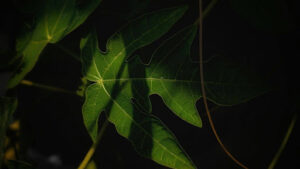
Right then, let’s talk about spotting the difference between trees that are actually from Florida and those that have, shall we say, ‘visited’ and decided to stay. It’s not just about knowing your oaks from your pines; it’s about understanding the local story of our trees.
Knowing whether a tree is native or introduced can tell you a lot about its role in the ecosystem and how it interacts with other plants and animals. Introduced species, sometimes called exotics, can be a bit like that noisy neighbour who never leaves. Some are harmless, but others can spread like wildfire, pushing out the local flora that our native wildlife depends on. Think of it like this: native plants are the original residents, perfectly adapted to the climate and soil, providing food and shelter for generations of local critters. Introduced species might look pretty, but they often don’t offer the same benefits and can even cause problems.
Here are a few things to keep an eye on:
- Leaf Clues: While not a foolproof method, some introduced species have leaves that look a bit ‘off’ for the region. They might be unusually large, have a strange texture, or be arranged in a way that’s not typical for native Florida trees. For instance, some invasive fig species have leaves that are quite different from our native oaks.
- Growth Habits: Introduced trees can sometimes grow much faster or in denser stands than native trees. If you see a whole patch of the same kind of tree popping up where it shouldn’t be, it’s worth investigating.
- Associated Wildlife: Native trees usually have a whole host of insects, birds, and other animals that rely on them. If a tree seems strangely devoid of life, it might be an introduced species that doesn’t support the local food web.
It’s important to remember that not all non-native plants are bad. Some have been here for a long time and are well-behaved, fitting into the landscape without causing trouble. The real concern is with those that become invasive, outcompeting native species and disrupting the natural balance.
When you’re out and about, try to get a feel for what looks ‘right’ for the area. Are you seeing a lot of a particular tree in disturbed areas or along roadsides? That’s often a sign it’s not a native. Local field guides and online resources, like those from the UF/IFAS Extension, can be brilliant for helping you distinguish between the locals and the tourists.
Seasonal Changes to Consider in Florida Tree Identification by Leaf
When you’re trying to get a handle on Florida tree identification by leaf, don’t forget that trees change throughout the year. What a leaf looks like in spring might be quite different from autumn, or even in the depths of winter.
Think about it: many deciduous trees in Florida will shed their leaves. This means that for a good chunk of the year, you won’t have any leaves to examine at all! For these species, you’ll need to rely on other features like bark texture, twig structure, or the shape of the tree itself. Evergreens, on the other hand, keep their leaves year-round, but even these can change subtly. Their older leaves might discolour or drop off, and new growth will often look different from mature foliage.
Here are a few things to keep in mind:
- Spring Growth: New leaves are often a lighter green, sometimes with a reddish tint, and can be quite delicate. They might also be smaller than fully developed leaves.
- Summer Maturity: By summer, most leaves will have reached their full size and colour. This is often the best time to observe the typical characteristics like shape, margin, and venation.
- Autumn Colours: While Florida doesn’t have the dramatic autumn displays of more northern climates, some trees do show a change in leaf colour before they drop. Keep an eye out for yellows, oranges, or reds.
- Winter Dormancy: For deciduous trees, winter means no leaves. Focus on buds, bark, and overall form. For evergreens, look for any signs of stress, discolouration, or new growth.
It’s easy to get fixated on just the leaf itself, but remembering the time of year you’re observing it can make all the difference in your Florida tree identification by leaf efforts. What looks like a ‘wrong’ leaf might just be a seasonal variation.
For example, the Red Maple (Acer rubrum), also known as the swamp maple, is famous for its vibrant red leaves in late autumn and early winter, a stark contrast to its greener summer foliage. This colour change is a key identifier during those cooler months. So, when you’re out and about, jot down the date along with your leaf observations – it could be the missing piece of the puzzle.
Common Mistakes and How to Avoid Them in Florida Tree Identification by Leaf
Right then, let’s talk about the slip-ups people often make when trying to figure out what tree they’re looking at, especially just by its leaves. It’s easy to get things wrong, but with a bit of awareness, you can steer clear of the common pitfalls.
One of the biggest blunders is focusing on just one leaf feature. You know, seeing a vaguely green leaf and calling it a day. Trees have so many characteristics, and relying on just one is like trying to identify a person by only looking at their shoes. You need to consider the whole picture. Think about the leaf’s shape, sure, but also its edges (the margin), how the veins run through it, and even how it feels. Is it smooth, rough, or hairy? Does it have lobes, or is it a simple oval shape? Looking at a few different aspects gives you a much better chance of getting it right. For a good starting point on leaf types, this guide on leaf characteristics is quite helpful.
Another common error is getting confused by variations. Trees aren’t always perfect specimens. A leaf might be a bit misshapen because an insect had a nibble, or maybe it’s an older leaf that’s slightly discoloured. Sometimes, even within the same species, there can be slight differences depending on where the tree is growing. Don’t let these minor variations throw you off. Try to look at several leaves on the tree, and if possible, compare them to known examples. Remember, nature isn’t always textbook perfect.
Here are a few more things to watch out for:
- Ignoring the twig: While we’re focusing on leaves, don’t forget the twig they’re attached to. The buds, leaf scars, and even the colour and texture of the twig can offer vital clues. Sometimes, a leaf might look similar to another species, but the twig is a dead giveaway.
- Misjudging the season: Leaves change throughout the year. A tree that looks one way in spring might look quite different in autumn. Always consider the time of year and how that might affect the leaf’s appearance.
- Not checking the whole tree: It’s easy to get fixated on a single leaf. Take a step back and look at the overall shape of the tree, its bark, and any flowers or fruits it might have. These other features can confirm or deny your initial leaf-based guess.
Sometimes, people get too caught up in trying to find a perfect match immediately. It’s better to gather as much information as you can and then use your resources to narrow down the possibilities. Don’t be afraid to admit you’re unsure and need to look closer or consult a different source.
Finally, don’t underestimate the power of context. Where is the tree growing? Is it in a swampy area, a dry sandy spot, or a manicured garden? The habitat can be a huge hint. For instance, if you see a tree with those distinctive ‘walking legs’ roots in a coastal area, you’re probably looking at a red mangrove. Combining leaf details with environmental clues makes your identification much more robust.
Regional Variations and Ecosystem Context in Florida Tree Identification by Leaf
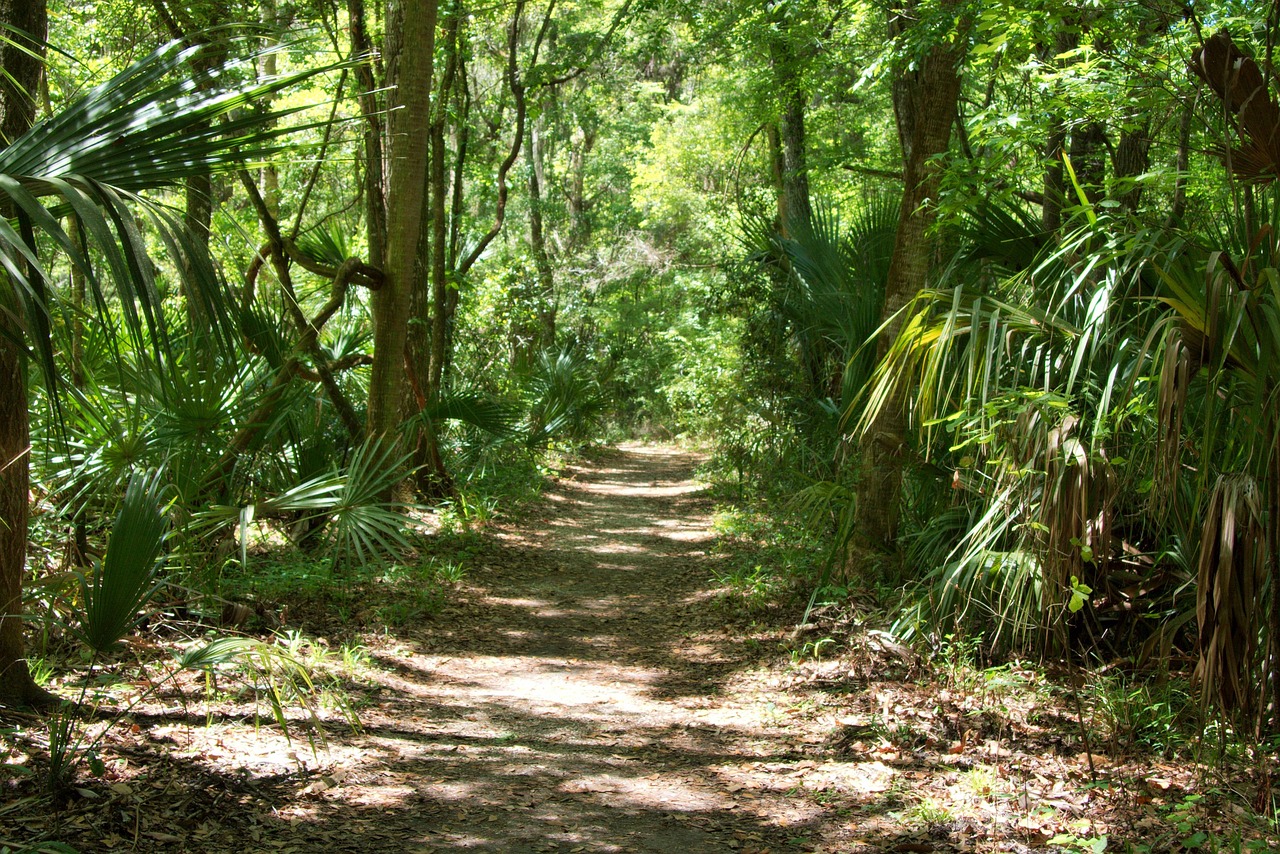
Right then, so you’re trying to identify trees in Florida just by their leaves? It’s a good start, but you’ve got to remember Florida’s a big place with loads of different bits and bobs going on. What you find in the Panhandle, with its slightly cooler, more temperate feel, is going to be different from the steamy, tropical vibes down in South Florida. Even a few feet of elevation change can make a difference in what trees are growing there.
Think about the environment the trees’s in. Is it right on the coast, getting salty air? Is it in a swampy area, or up on a drier ridge? These places, called habitats, really influence the types of trees you’ll see.
- Coastal Areas: You’ll find mangroves like the Red Mangrove with its “walking legs” or the Black Mangrove with its snorkel-like pneumatophores. Buttonwood often grows nearby, too.
- Inland Swamps and Floodplains: Bald Cypress loves these wet spots, and Red Maple (or Swamp Maple) is common here too, especially when it shows off its red leaves in autumn.
- Upland Forests: This is where you’ll see a mix, maybe Longleaf Pines with their really long needles, or different kinds of Oaks. Sand Live Oaks can get quite tall up north, but are smaller down south.
- Tropical South Florida: Here, you might spot Strangler Figs wrapping around other trees, or even encounter potentially dangerous trees like Poisonwood or Manchineel.
The same species can even look a bit different depending on where it’s growing. For example, a Sand Live Oak might be a different size in South Florida compared to further north.
It’s also worth noting that some trees are native, meaning they’ve always been here, while others have been introduced from elsewhere. This guide is mostly about the natives, but knowing the difference can sometimes help narrow things down. Just keep an eye on where you are in Florida, and what the land is like around the tree – it’ll give you a much better clue than just looking at the leaves alone.
Field Tools and Apps to Aid Florida Tree Identification by Leaf
Right then, so you’re out and about in Florida, trying to figure out what tree that is by its leaves. Sometimes, you’ve got your trusty field guide, but other times, you might not. That’s where technology can really lend a hand. These days, there are loads of handy tools and apps that can help you out.
Using your smartphone is probably the easiest way to go about this. You can snap a picture of a leaf, and an app can often tell you what tree it belongs to. It’s pretty amazing, really. Some of these apps are quite clever and can recognise thousands of different plants. For instance, an app like Plantum can identify a huge range of natural objects, not just trees, with a good degree of accuracy. It’s like having a botanist in your pocket.
Here are a few things to keep in mind when you’re using these digital aids:
- Take clear photos: Make sure the leaf is well-lit and in focus. Try to get a shot of the whole leaf, and maybe a close-up of the veins too, if you can.
- Consider the context: Note where the tree is growing. Is it in a swampy area, a sandy dune, or a manicured park? This information can help the app (and you!) narrow down the possibilities.
- Don’t rely on just one feature: While apps are great, they’re not always perfect. Cross-reference the app’s suggestion with other characteristics of the tree, like the bark or the overall shape.
Beyond apps, there are also some other useful resources. Online databases and websites can be a goldmine of information. You might find yourself looking at things like the tree’s natural range or its preferred habitat, which can be a big clue. Sometimes, just having a good digital map on your phone can help you figure out if you’re even in the right geographical area for a particular species.
Remember that these tools are there to assist you, not to do all the work for you. The more you practice observing trees and their features, the better you’ll become at identifying them, even without a gadget.
It’s also worth thinking about building your own digital reference collection. You can take photos of leaves you identify and save them with notes about the tree and where you found it. Over time, this can become a really personal and useful resource for you.
Building Your Reference Collection for Florida Tree Identification by Leaf
So, you’ve been out and about, trying to get a handle on all those Florida trees using their leaves. That’s brilliant! But sometimes, you just need something to refer back to, right? Building your own little reference collection is a fantastic idea. It’s not just about having a pile of leaves; it’s about creating a personal identification guide for Florida tree identification by leaf that really works for you.
Think about starting with a good-quality folder or binder. You’ll want to press your collected leaves carefully. Lay them flat between sheets of newspaper and stack some heavy books on top. Give them a week or two to dry out properly. This stops them from going mouldy and keeps them looking good for your identification guide, Florida tree identification by leaf.
Here’s a basic list of what to include for each specimen:
- Leaf Sample: Make sure you get a few leaves from the same branch, ideally showing both the top and underside. Press them flat.
- Twig Section: A small piece of twig with the leaves attached can be really helpful, especially for noting bud arrangement or twig texture.
- Location Data: Jot down where you found the tree – the park, the street, the general area. Even the type of soil or whether it was near water can be useful.
- Date Collected: Simple, but important for tracking seasonal changes.
- Key Features: Note down any distinctive characteristics you observed at the time, like bark texture, flower colour (if present), or any unique smells.
It’s also a good idea to have a small notebook alongside your pressed leaves. You can sketch out the tree’s overall shape, note the leaf arrangement (like opposite or alternate), and describe the leaf margin and vein patterns in more detail. This is where you can really go in-depth for your identification guide, Florida tree identification by leaf.
Don’t just collect leaves that look perfect. Sometimes, a slightly damaged or older leaf can show you features you might miss on a pristine specimen. It’s all part of the learning process.
As you get more into it, you might want to add sections for bark rubbings or even small samples of bark if it comes away easily. Some people even create a small section for fruits or seeds if they find them. The goal is to build a resource that helps you identify trees not just by leaf, but by a combination of features. This makes your identification guide to Florida tree identification by leaf much more robust and reliable.
Want to learn about Florida’s trees just by looking at their leaves? Building a good collection of examples is key. It’s like creating your own personal nature guide! For tips on how to start your own leaf collection and become a Florida tree expert, visit our website today.
Frequently Asked Questions
What’s the most important part of a tree to look at for identification?
The leaves are usually the best clue! Many trees can be figured out just by looking at their leaves. Think about their shape, how the veins run, the edges, and even how they feel.
Are there any tricky trees in Florida I should be careful of?
Yes, Florida has a couple of poisonous trees like poisonwood and manchineel. It’s good to know what they look like so you can avoid touching them.
What’s the difference between a native and a non-native tree?
Native trees are trees that naturally grow in Florida. Non-native trees have been brought here from somewhere else, and some of them can cause problems by taking over natural areas.
Can I identify a tree just by its bark?
Bark can be a helpful clue, especially its colour and texture. However, it’s best to use bark along with other features like the leaves, as bark can change as the tree gets older.
What are ‘pneumatophores’ and which trees have them?
Pneumatophores are like little snorkels that stick out of the ground around certain trees, especially mangroves like the Black Mangrove. They help the tree breathe in wet, swampy soil.
What should I do if I can’t identify a tree right away?
Take lots of pictures! Get close-ups of the leaves, bark, and any flowers or fruits. Jot down notes about where you saw it and what it looked like. This information will help you identify it later with a guide or online.
Request a Quote
Our Services