How Many Times Does a Banana Tree Bear Fruit
Thinking about growing your own bananas? It’s a pretty cool idea, and honestly, not as complicated as you might think. But one of the big questions people have is, “How many times does a banana tree bear fruit?” It’s not like an apple tree that just keeps producing year after year on the same branches. Banana plants have a bit of a different story. Let’s break down what you need to know about their fruiting cycle so you can get the most out of your banana plant.
Understanding How Many Times Does a Banana Tree Bear Fruit
So, you’re curious about how many times a banana tree actually gives you fruit, right? It’s a bit different from your typical apple or cherry tree. A single banana plant, or more accurately, a pseudostem, will only produce fruit once. That’s the main thing to get your head around. After it puts out its bunch of bananas, that specific stalk, the one that flowered and fruited, is done. It’s like it’s one big performance, and then it starts to fade.
But don’t get too bummed out! The magic of banana plants is that they’re constantly sending up new shoots, called pups or suckers, from the underground rhizome. These new shoots will grow into their own pseudostems, and each of those will eventually produce a fruit bunch too. So, while one stalk of fruit only produces once, the overall plant can keep producing bananas year after year, as long as it’s healthy and conditions are right. It’s more about the life cycle of the individual stalk than the plant as a whole.
Here’s a quick rundown of what happens:
- Flowering: A large, often purple, flower stalk emerges from the top of the pseudostem.
- Fruiting: Tiny bananas start to form from the female flowers on the stalk. These grow into hands (clusters) of bananas.
- Ripening: It takes several months for the bananas to mature and be ready for harvest.
- Stalk Decline: Once the fruit is harvested, the pseudostem that produced it will naturally start to wither and die.
- New Growth: Meanwhile, new pups are growing from the base, ready to take over the fruit-producing duties in the future.
This cycle means that when you ask “how many times does a banana tree bear fruit?”, the answer isn’t a simple number for the whole plant. It’s about understanding that each fruiting stalk is a one-hit wonder, but the plant itself is designed for continuous production through its offspring.
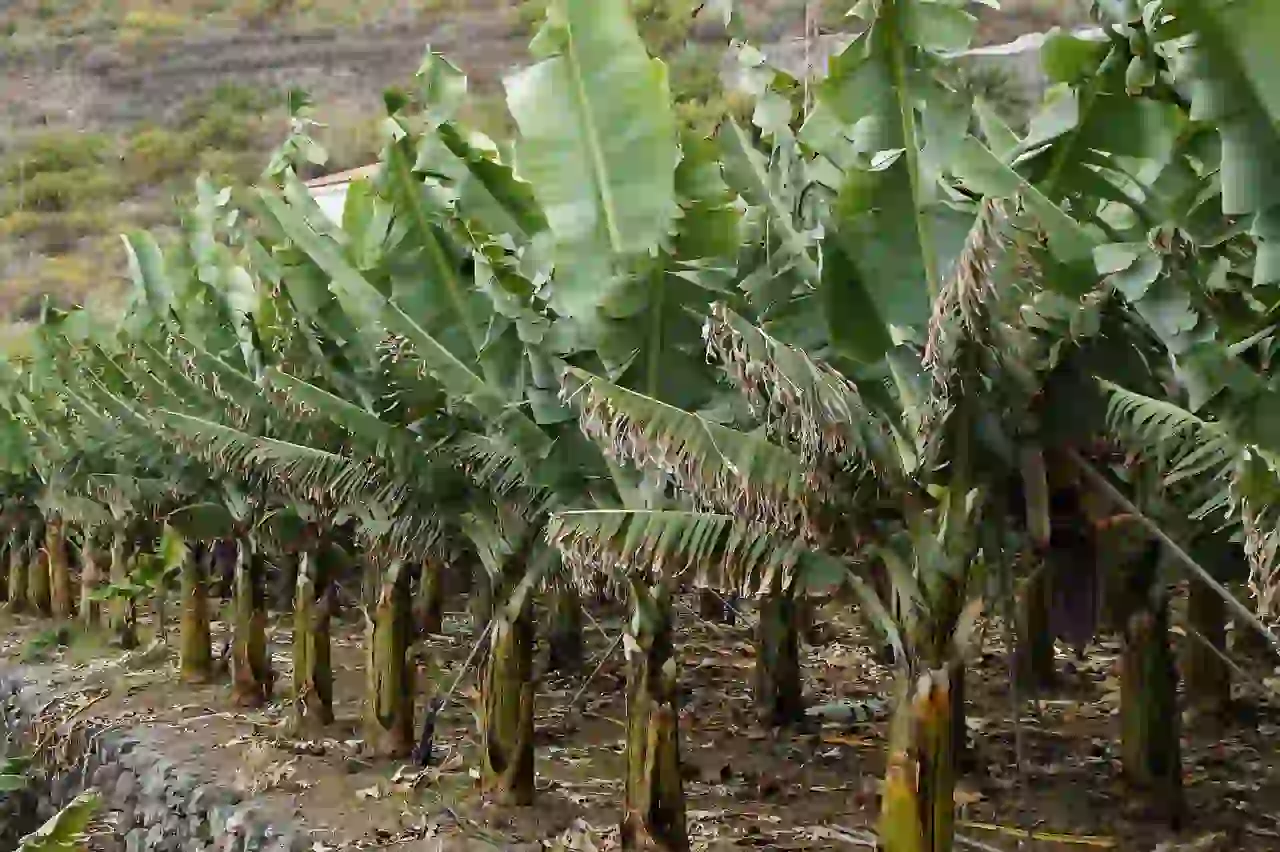
The key takeaway is that the ‘tree’ you see is actually a collection of pseudostems, and only the mature ones will flower and fruit. Once a pseudostem has done its job, it’s time for it to decompose and feed the new growth coming up from below. This is how the banana plant ensures it can keep giving you fruit over many seasons.
The Banana Tree Life Cycle and Fruit Bearing Frequency
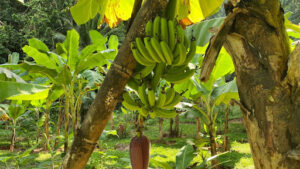
So, you’re wondering when do banana trees produce fruit, right? It’s a bit different from your typical apple or cherry tree. Banana plants are actually giant herbs, and their ‘trunk’ is just a bunch of rolled-up leaf bases. This pseudostem is where the magic happens, but here’s the kicker: each pseudostem only fruits once.
Once a banana pseudostem has flowered and produced its bunch of bananas, it’s done. It won’t produce any more fruit. After you’ve harvested the bananas, that particular stalk will start to wither and die off. But don’t get too sad! The underground rhizome (think of it like a root system) will send up new shoots, called pups or suckers. These new pups will grow into their own pseudostems, and they will be the ones to produce fruit in the future.
Here’s a general timeline to give you an idea:
- From planting to first fruit: It usually takes about 9 to 15 months for a new banana plant to produce its first bunch of fruit, assuming it’s planted from a nursery-grown pup or a small plant. If you’re starting from seed (which most people don’t bother with for eating bananas), it can take years, and the fruit might not even be good.
- Subsequent fruiting: After the first pseudostem fruits and dies, a new one will take its place. The whole ‘mat’ of banana plants (the main rhizome with all its shoots) can continue to produce fruit year after year, with a new stalk fruiting annually.
- Harvest to new growth: After you harvest a bunch, the spent pseudostem should be cut down. This helps the plant focus its energy on the new pups that are already growing or will emerge soon.
It’s important to remember that while the individual pseudostem is a one-hit wonder when it comes to fruiting, the overall banana plant is a perennial. It keeps producing new stems that will bear fruit, so you can have a continuous harvest if you manage your plants well.
So, when do banana trees produce fruit? It’s a cycle. One stalk of fruit, then it’s done, but the plant itself keeps going, giving you more fruit from new stalks year after year. It’s a pretty neat system, really.
Factors That Influence How Many Times Does a Banana Tree Bear Fruit
So, you’re wondering what makes a banana tree decide to give you a bunch of fruit, and how often it’ll do it. It’s not just about planting it and forgetting about it, you know. Several things play a big role in how productive your banana plant is.
First off, the variety you choose matters. Some types are just naturally more prolific than others. You’ve got your Cavendish, the classic grocery store banana, and then there are other varieties like ‘Rajapuri’ or ‘Blue Java’ that might have different fruiting habits. It’s like picking a dog breed; some are high-energy, some are couch potatoes, and some are just built to produce.
Then there’s the environment. Banana trees really thrive in warm, humid conditions with plenty of sunshine. They’re tropical plants, after all. If you’re in a cooler climate or don’t get enough sun, your tree might struggle to produce fruit, or it might take much longer. Consistent moisture is also key; they don’t like drying out, but they also hate having their feet wet. Finding that sweet spot is important for them to focus on making bananas instead of stressing out.
Here’s a quick rundown of what influences fruit production:
- Variety: Some banana types are bred for faster or more frequent fruiting.
- Sunlight: At least 6-8 hours of direct sun daily is ideal.
- Water: Consistent, even moisture without waterlogging.
- Temperature: They prefer temperatures between 75-85°F (24-29°C) and can be damaged by frost.
- Soil Nutrients: A well-draining soil rich in organic matter provides the food the plant needs.
- Plant Age/Maturity: A young plant needs time to establish before it can produce fruit.
Think about it like this: if you’re constantly stressed, hungry, or cold, you’re not going to be at your best, right? Banana trees are similar. They need the right conditions to feel secure and have the energy to put into producing fruit. Proper care, like making sure the soil stays consistently moist, helps prevent stress and promotes healthier, larger bananas. Consistent soil moisture is a big deal for preventing fruit drop and getting good-quality bananas.
The pseudostem, which looks like a trunk, is actually made of rolled-up leaf bases. Once this pseudostem produces a bunch of bananas, it’s done. It will eventually die off, but the underground rhizome will send up new shoots, or ‘pups’, to continue the cycle. So, while a single stalk fruits only once, the plant itself can keep producing year after year from these new shoots.
How Many Times Does a Banana Tree Bear Fruit in Different Climates
So, you’re wondering how the weather affects your banana tree’s fruit production, right? It’s a pretty big deal, honestly. Bananas are tropical plants, through and through. They really thrive in warm, humid places. Think of places like Southeast Asia, where they originally come from, or the Caribbean.
In truly tropical climates, a banana plant can produce fruit pretty consistently, often yielding a bunch every year from a new stem. The parent stem, after it fruits, dies off, but it leaves behind pups or suckers that will grow into new fruiting stems. It’s like a continuous cycle, as long as the conditions are right.
Now, let’s talk about places that aren’t quite so tropical, like Florida, which is more subtropical. Here, you can still grow bananas, but you might need to be a bit more strategic. Some varieties are more cold-tolerant than others. For instance, varieties like ‘Orinoco’ are known to handle cooler temperatures better than, say, a ‘Cavendish’.
Here’s a quick look at how climate can play a role:
- Tropical Zones (USDA Zones 10-11): Ideal conditions. Bananas grow vigorously, flower, and fruit relatively quickly. You can expect a new bunch of bananas from a mature plant each year, provided it’s well-cared for.
- Subtropical Zones (USDA Zones 9): Possible, but with challenges. You’ll likely need to choose cold-hardy varieties. Frost can be a major issue, potentially damaging or killing the plant if temperatures drop below freezing (32°F or 0°C). Plants might take longer to mature and fruit, and production might be less consistent year-to-year.
- Temperate Zones (USDA Zones 8 and below): Growing bananas outdoors year-round is generally not feasible. They won’t survive freezing temperatures. You might be able to grow them in containers and bring them indoors during winter, but fruiting will be significantly delayed or may not happen at all.
The key takeaway is that while a banana plant itself can live for many years and produce new stems, each individual stem only fruits once. The climate dictates how quickly the stem matures, fruits, and dies back, and how well the new suckers can grow and eventually take over for the next harvest cycle.
If you’re in a cooler climate, don’t despair entirely. Some newer hybrid varieties are being developed to be more resilient, and growing them in protected environments like greenhouses can extend their range. But for most of us, sticking to warmer regions or choosing the right variety is the best bet for getting those homegrown bananas.
Caring for Your Banana Tree to Maximize Fruit Production
So, you’ve got a banana plant, and you’re dreaming of homegrown bananas. That’s awesome! To get the best harvest, you really need to treat your plant right. It’s not super complicated, but paying attention to a few key things makes a big difference.
First off, these guys are hungry. Like, really hungry. They need good soil and regular feeding to put out those delicious bunches. Think of it like feeding a growing kid – they need good stuff to thrive. Adding compost annually is a great way to keep the soil rich. And when it comes to fertilizer, look for something with a good amount of potassium. That’s the ‘K’ in N-P-K, and it’s super important for fruit development. You can check out some options for fertilizers rich in potassium to give your plant a boost.
Watering is another big one. Banana plants like consistent moisture, but they absolutely hate sitting in soggy soil. That can lead to root rot, and nobody wants that. So, water deeply when the top inch or so of soil feels dry, but make sure your pot or planting spot has good drainage. It’s a bit of a balancing act, but you’ll get the hang of it.
Here’s a quick rundown of what your banana plant loves:
- Sunlight: Lots of it! Aim for at least 6-8 hours of direct sun daily. If you’re in a super hot climate, a little afternoon shade might be okay, but generally, more sun means more happy fruit-making.
- Soil: Rich, well-draining soil is the goal. Mix in plenty of compost to keep it fertile. A slightly acidic to neutral pH (around 5.5 to 7) is ideal.
- Temperature: Bananas are tropical babies. They do best in warm temperatures, ideally between 75-85°F (24-29°C). Frost is a big no-no.
- Humidity: They appreciate a bit of humidity, so if your air is dry, misting occasionally or placing it near other plants can help.
Remember, each pseudostem (what looks like the trunk) only fruits once. After it’s done producing, it will start to wither. Don’t rush to cut it down immediately, though. It can still send some energy back to the main plant. Once it’s clearly dead and dry, then you can trim it away, making sure not to damage any new shoots that are coming up from the base.
Keeping your banana plant healthy and happy with the right food, water, and sun is the best way to encourage it to produce fruit consistently. It’s all about giving it the conditions it needs to do its thing.
Common Issues That Affect How Many Times Does a Banana Tree Bear Fruit
Even with the best intentions, several things can throw a wrench in your banana tree’s fruit-bearing plans. It’s not always about just planting it and forgetting about it, you know?
The biggest culprit is often environmental stress. Think about it: these plants are tropical babies. If they get too cold, too dry, or even too wet, they’re going to struggle. A single hard freeze can set a plant back significantly, and sometimes, it might not recover enough to produce fruit for a whole season, or even longer.
Here are some common problems that can mess with your banana tree’s fruiting schedule:
- Pests and Diseases: Things like banana weevils, nematodes, and various fungal diseases can weaken the plant, making it unable to produce a healthy bunch of bananas. Sometimes, the plant might focus all its energy on just surviving.
- Nutrient Deficiencies: Bananas are hungry plants! If the soil lacks essential nutrients, especially potassium and magnesium, the plant won’t have the building blocks it needs to flower and fruit properly.
- Improper Watering: Too little water stresses the plant, while too much can lead to root rot. Both extremes can prevent flowering or cause developing fruit to drop.
- Physical Damage: Strong winds can tear leaves or even topple the plant. Damage to the pseudostem (what looks like the trunk) can disrupt the flow of nutrients needed for fruit development.
Sometimes, a banana plant might look healthy but still not produce fruit. This can happen if it’s too young, hasn’t received enough sunlight, or if it’s been stressed by transplanting. Patience is key, but so is providing the right conditions consistently.
If your banana tree isn’t producing as expected, it’s worth taking a close look at these potential issues. Addressing them early can make a big difference in getting those delicious bananas.
Harvesting Tips Based on How Many Times Does a Banana Tree Bear Fruit
So, you’ve nurtured your banana plant, and now you’re wondering when to harvest those delicious fruits. It’s not quite like picking apples, because banana plants are a bit different. Remember, each main stalk, or pseudostem, only fruits once. After it’s done its job and you’ve harvested the bananas, that stalk will start to die off. This is totally normal!
Here’s what to keep in mind when it’s harvest time:
- Timing is Key: Bananas usually take about 2 to 6 months from when the flower stalk appears to ripen. You’ll see the fruit start to swell and lose that purplish hue. The ‘hands’ of bananas will start to look plump, and the little tips might start to turn yellow. Don’t wait until they’re completely yellow on the tree, though; they’ll be mushy and overripe. Aim for a slightly green or greenish-yellow stage for the best flavor and texture when they finish ripening off the plant.
- Check for New Growth: Before you chop down the old stalk, take a peek at the base of your plant. You’ll likely see new ‘pups’ or suckers starting to grow from the underground rhizome. These are the future fruit-bearers! The old stalk, even after fruiting, can still send some energy back to the rhizome to help these new ones grow.
- How to Cut: When you’re ready to harvest, use a sharp knife or machete. Cut the entire bunch (called a ‘stem’ or ‘mat’) off at once. It’s often easier to cut the pseudostem partially through first, let it hang, and then make the final cut to avoid dropping the heavy bunch.
- Post-Harvest Care: Once you’ve harvested the bananas and the old pseudostem has completely withered, you can trim it away. This helps prevent disease and makes room for the new shoots to thrive. Remember, the rhizome is the key to future harvests, so protect it!
Harvesting is a bit of a bittersweet moment. You get your delicious bananas, but you also know that particular stalk’s journey is over. The good news is, with proper care, your banana plant is designed to keep giving you fruit year after year from its offspring.
If you’re growing a specific variety, research its typical ripening signs. Some bananas might turn yellow faster than others. It’s all about observing your plant and knowing when it’s ready to share its bounty.
Extending the Fruit-Bearing Period: How Many Times Does a Banana Tree Bear Fruit Increase?
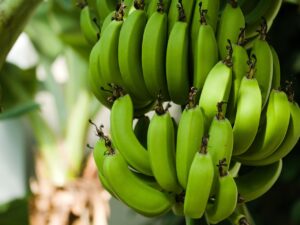
So, you’ve got your banana plant growing, and you’re wondering if you can get more than just that one bunch of bananas from it. It’s a common question, and the short answer is… well, it’s a bit complicated, but there are ways to think about maximizing your harvest over time.
First off, remember that a banana ‘tree’ isn’t really a tree in the woody sense. It’s a giant herb, and each stalk, or pseudostem, that produces fruit is a one-hit wonder. Once it’s done with its banana-making duty, that specific stalk will naturally wither and die. But here’s the cool part: the underground rhizome is like the plant’s brain and energy hub. It sends up new shoots, called pups or suckers, which will grow into new pseudostems, ready to produce their own fruit.
So, can you increase how many times a banana tree bears fruit? You can’t make a single stalk produce multiple bunches, but you can ensure a continuous cycle of fruiting from the same plant over several years by managing these pups.
Here’s how to think about it:
- Allow New Pups to Grow: After you harvest a bunch, look for new, smaller shoots (pups) emerging from the base of the parent plant. It’s best to let at least one or two healthy pups grow alongside the main stalk. These will become your next fruiting stalks.
- Manage the Pups: You don’t want too many competing for resources. Typically, growers select one or two of the strongest pups to keep and remove the others. This ensures the chosen ones get enough energy to grow strong and produce a good bunch.
- Wait for the Old Stalk to Die: Don’t rush to cut down the old pseudostem immediately after harvesting. It can still send some energy back to the rhizome and the developing pups. Wait until it’s clearly withered and yellowed before trimming it away.
Think of it less as one tree bearing fruit many times, and more as one plant system continuously producing new fruiting stalks.
The key to getting more fruit over the years isn’t about forcing a single stalk to do more, but about understanding and nurturing the plant’s natural life cycle. By managing the pups and letting the plant do its thing, you’re setting yourself up for a recurring banana harvest from the same spot.
Ultimately, a well-managed banana plant can provide fruit year after year from the same root system, even though each individual stalk only fruits once. It’s all about succession planting, banana-style!
Ever wondered if you can get more bananas from your tree each year? It’s a common question for banana growers! While a banana plant typically produces fruit only once, there are ways to encourage new growth and keep the harvest coming. Discover the secrets to extending your banana harvest. Visit our website to learn how to get the most from your banana trees!
Frequently Asked Questions
How many times does a single banana plant produce fruit?
A banana plant’s main stem, called a pseudostem, will only produce fruit once. After it gives you a bunch of bananas, that specific stem will start to die off. But don’t worry, new baby plants, called pups or suckers, will grow from the base of the original plant, and these new stems will produce fruit in the future. So, while one stem is a one-hit wonder, the plant itself keeps giving!
How long does it take for a banana plant to bear fruit?
If you plant a young banana tree, it usually takes about 9 to 15 months for it to produce its first bunch of bananas. If you’re starting with a pup (a small offshoot from an existing plant), it might fruit a little sooner, around a year. Growing from seed is not recommended because it takes much longer, and the fruit might not be good.
Can I get bananas year-round from my banana plant?
You won’t get bananas year-round from a single stem because it dies after fruiting. However, if you have multiple plants or pups growing, and you provide them with the right conditions, you can have a staggered harvest. New stems mature and produce fruit at different times, so you might be able to enjoy bananas for a good portion of the year, especially in warmer climates.
How many bananas can I expect from one harvest?
A single dwarf banana tree can produce anywhere from 50 to 150 bananas in one harvest, depending on the type of banana and how well you care for the plant. That’s a lot of bananas for smoothies, baking, or just snacking!
What happens after the banana plant fruits?
Once the main stem has produced its bunch of bananas, it’s done its job. It will slowly wither and die. It’s best to cut down the dead stem. The energy from this stem goes back into the underground part of the plant (the rhizome), which then sends up new shoots, or pups, to grow into new fruit-producing stems for the next harvest.
Can I increase how many times my banana plant bears fruit?
You can’t make the same stem produce fruit more than once. However, you can encourage more fruit production over time by taking good care of your plant. This includes giving it plenty of sun, water, and nutrients, and allowing the new pups to grow and mature. By managing your plants well, you ensure a continuous cycle of new stems that will eventually bear fruit.
Request a Quote
Our Services