
Low Maintenance Trees for Front Yard With Minimal Water Needs

Looking to spruce up your front yard without a lot of fuss? We all want a nice-looking yard, but sometimes life gets busy, and yard work can feel like a chore. Especially when it comes to watering. That’s where low maintenance trees for front yard spaces come in handy. These trees give you that curb appeal without demanding constant attention or a huge water bill. Let’s talk about some good choices for your front yard.
What Are Low Maintenance Trees for Front Yard Landscapes?
So, you’re looking for some trees for your front yard that won’t demand a ton of your time or money, right? That’s where low maintenance trees for front yard landscapes come into play. Basically, these are trees that don’t need constant fussing over. Think less watering, less pruning, and fewer pest problems. They’re the kind of trees that just sort of do their thing, looking good without you having to break a sweat.
When we talk about low maintenance trees for front yard, we’re generally looking at a few key characteristics:
- Drought Tolerance: They can handle dry spells without wilting or looking sad.
- Pest and Disease Resistance: They’re not magnets for bugs or common tree illnesses.
- Minimal Pruning Needs: They tend to grow in a shape that looks good naturally, so you won’t be out there with shears every weekend.
- Adaptability: They can handle a range of soil types and conditions without complaining too much.
Choosing the right low maintenance trees for front yard means you get the beauty and benefits of trees – shade, curb appeal, maybe even some privacy – without the usual headaches. It’s about finding plants that work with your lifestyle, not against it. These trees are great for busy homeowners or anyone who just wants a nice-looking yard without a lot of work.
Picking the right low maintenance trees for front yard is all about selecting species that are naturally suited to your local climate and soil. It’s not about finding a ‘no-care’ plant, but rather one that requires significantly less intervention than others. This means fewer trips to the garden center for special fertilizers or treatments, and more time enjoying your yard.
It’s a smart way to go if you want to add value and beauty to your home without adding a lot of chores. We’ll get into some specific types later, but for now, just know that these low maintenance trees for front yard are out there, waiting to make your life a little easier and your front yard a lot prettier.
Why Choose Low-Maintenance Trees for the Front Yard
So, why bother with trees that don’t need a ton of fuss or constant watering for your front yard? It’s a pretty straightforward decision, really. First off, it saves you time and effort. Think about it: less watering means less time spent hauling hoses or fiddling with sprinklers, especially during those hot, dry spells. This frees you up to actually enjoy your yard, rather than feeling like you’re constantly working in it.
Beyond just saving your weekend, these types of trees are also kinder to your wallet and the planet. Less water usage directly translates to lower water bills. And in many areas, water conservation is becoming more and more important. Choosing drought-tolerant trees is a smart move for the environment, helping to reduce strain on local water resources.
Here are a few more reasons to consider them:
- Reduced Costs: Lower water bills and less need for fertilizers or special soil amendments.
- Environmental Friendliness: Conserves water, which is a precious resource.
- Resilience: These trees are often tougher and can handle less-than-ideal conditions better than thirstier varieties.
- Simplicity: They generally don’t require complex pruning schedules or pest management.
It’s not just about survival; it’s about thriving with less.
Plus, when you pick the right tree for your spot, you’re setting yourself up for success. A tree that’s happy with minimal water and care will grow better, look healthier, and ultimately add more curb appeal to your home. It’s a win-win, really.
Key Features of Low Maintenance Trees for Front Yard Areas
So, what makes a tree a ‘low maintenance’ star for your front yard, especially when you’re trying to keep watering to a minimum? It’s not just about picking any old tree and hoping for the best. We’re talking about trees that are tough, adaptable, and generally don’t throw a fit if you forget to water them every other day. These trees are built to handle a bit of neglect and still look good doing it.
Think about these traits when you’re scouting for your perfect front yard tree:
- Drought Tolerance: This is the big one. These trees have evolved to survive with little water. Their root systems are often designed to go deep, seeking out moisture, or they have ways to store water efficiently.
- Pest and Disease Resistance: A tree that’s constantly battling bugs or sickness is going to need a lot of your attention (and probably treatments). Low-maintenance trees usually have natural defenses that keep them healthy without much intervention.
- Minimal Pruning Needs: Nobody wants to spend their weekends hacking away at branches. Low-maintenance trees often have a natural shape that doesn’t require constant trimming to look tidy. They grow pleasingly without you having to do much.
- Adaptability to Soil Conditions: Some trees are picky about their dirt. Low-maintenance varieties tend to be more forgiving, happy in a range of soil types, which means less fussing with soil amendments.
- Slow to Moderate Growth Rate: While not always the case, slower-growing trees often require less pruning and are less likely to outgrow their space too quickly, meaning fewer big interventions down the line.
When you’re looking at trees, don’t just go by the tag that says ‘drought-tolerant.’ Do a little digging. See if it’s known for being a messy tree, dropping a lot of fruit or leaves, or if it’s prone to breaking branches in the wind. Sometimes, a tree that needs a bit more water but is otherwise self-sufficient might actually be lower maintenance overall than a ‘drought-tolerant’ one that drops sticky sap all over your car.
It’s all about finding that sweet spot where the tree thrives with minimal input from you. You want a tree that adds beauty and curb appeal without becoming a chore.
Climate and Soil Considerations
Okay, so you’re looking for trees that don’t need a lot of fuss, especially when it comes to water. That’s smart! But before you pick out a pretty tree, you’ve gotta think about where you live and what your yard is like. The right tree for your spot will save you a ton of work down the road.
First off, climate. Is your area super hot and dry most of the year? Or do you get a decent amount of rain, but maybe it’s spread out unevenly? Knowing your hardiness zone is a good start, but also think about things like frost dates and how much sun your front yard actually gets. Some trees can handle a bit of shade, while others need full sun to really thrive. If you live somewhere with really harsh winters, you’ll want a tree that can handle the freeze without dropping all its leaves prematurely or getting damaged.
Then there’s the soil. Most low-maintenance trees are pretty forgiving, but they still have preferences. Is your soil heavy clay that holds water like a sponge? Or is it sandy and drains really fast? Some trees hate having wet feet, meaning they’ll rot if the soil stays soggy. Others might struggle in really dry, sandy soil. You can often improve your soil a bit by adding compost, but it’s way easier to pick a tree that already likes what you’ve got.
Here are a few soil types and what trees generally prefer:
- Clay Soil: Holds moisture well, can be dense. Trees that tolerate or prefer this often have strong root systems. Think about trees that can handle a bit of dampness.
- Sandy Soil: Drains quickly, doesn’t hold much water or nutrients. Trees that do well here are often drought-tolerant and don’t mind drying out between waterings.
- Loamy Soil: This is the gold standard – a good mix of sand, silt, and clay. Most trees will be happy in loamy soil, but even then, some will do better than others.
Don’t just guess about your soil. You can get a simple soil test kit from a garden center. It’s not expensive and can tell you a lot about your soil’s pH and texture. Knowing this helps you pick a tree that’s set up for success from day one, meaning less work for you later.
So, before you buy that tree, do a little homework on your local climate and check out your soil. It makes all the difference for a low-maintenance front yard.
Best Drought-Tolerant Low-Maintenance Trees
When you’re looking for trees that won’t demand constant watering, especially in drier climates or if you’re just trying to cut back on water use, drought-tolerant options are your best bet. These trees have adapted over time to survive with very little moisture, making them super low-maintenance for your front yard. Choosing a tree that naturally thrives in dry conditions means less work for you and a healthier plant.
Think about trees that have evolved in arid or semi-arid regions. They often have features like small leaves, deep root systems, or waxy coatings to help them conserve water. This means they’re not just surviving; they’re actually doing well without you having to fuss over them.
Here are a few types that really stand out for their ability to handle dry spells:
- Palo Verde: Known for its green bark and vibrant yellow flowers, this tree is a desert native. It’s tough and looks great even when it’s dry.
- Desert Willow: Despite its name, it’s not a true willow. It produces beautiful, showy flowers and can handle heat and drought like a champ.
- Chaste Tree (Vitex): This one is a real trooper. It’s known for its pretty purple flower spikes and its ability to tolerate heat and dry soil once established.
It’s important to remember that even drought-tolerant trees need some water when they’re first planted. Getting them established is key. After that, they’ll pretty much take care of themselves.
Planting a drought-tolerant tree is a smart move for your landscape. It reduces your water bill and helps conserve a precious resource. Plus, these trees often require less fertilizing and are generally more resistant to pests and diseases because they’re already adapted to tougher conditions. It’s a win-win for your yard and the environment.
For example, the coast live oak is an excellent choice for a low-maintenance, drought-tolerant tree. Native to California, this tough tree thrives in dry conditions. It provides great shade and a lovely natural look without needing much attention once it’s settled in. You can find more information on selecting the right trees for your area at native plant societies.
Evergreen Low-Maintenance Trees for Front Yard Appeal Year-Round
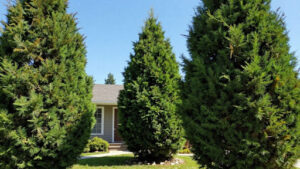
When you want your front yard to look good no matter the season, evergreen trees are the way to go. They keep their leaves, or needles, all year long, giving you that constant green presence. This means no bare branches in winter and a solid backdrop for your other plants. Choosing evergreens means your landscape always has structure and color.
These trees are often tough cookies, too. Many are naturally resistant to pests and diseases, and they don’t need a lot of fussing over. Plus, their consistent foliage can help muffle noise from the street and provide a bit of privacy. Think about how nice it would be to have a bit more quiet and a more defined yard, even when everything else is dormant.
Here are a few things to think about when picking an evergreen:
- Size at Maturity: Some evergreens can get pretty big. Make sure you know how tall and wide the tree will get so it doesn’t crowd your house or power lines.
- Growth Rate: Do you want something that fills in quickly, or are you okay with a slower, more stately growth? Slow growers often need less pruning.
- Water Needs: Even drought-tolerant trees need water when they’re first planted. But once established, many evergreens are quite happy with minimal watering, especially if they’re suited to your climate.
Some popular choices include the Eastern Red Cedar, which is super tough and handles dry conditions well, or certain varieties of Pine and Spruce. If you’re looking for something a bit more ornamental, consider a Japanese Yew or a Dwarf Alberta Spruce for smaller spaces. These trees can really transform your yard into a year-round garden. You can find some great options for year-round beauty that fit right into a low-maintenance plan.
Deciduous Low-Maintenance Trees for Shade and Style
So, you’re thinking about adding some deciduous trees to your front yard, huh? Smart move. These trees are fantastic for giving you some much-needed shade in the summer, and then, when fall rolls around, they put on a real show with their changing colors. Plus, they drop their leaves, which means less raking in the spring and summer compared to evergreens. Deciduous trees offer a dynamic beauty that changes with the seasons.
When you’re picking out a deciduous tree that’s also low-maintenance and doesn’t guzzle water, there are a few things to keep in mind. You want something tough that doesn’t need constant fussing, and looks good doing it. Here are some great options:
- Serviceberry (Amelanchier spp.): These are real multitaskers. They bloom with pretty white flowers in spring, offer edible berries (if you don’t mind sharing with the birds!), and have lovely fall color. They’re pretty adaptable to different soil types and don’t need a lot of water once established.
- Red Maple (Acer rubrum): Famous for its brilliant red fall foliage, the red maple is a classic for a reason. Many cultivars are quite drought-tolerant once they’re settled in. Just be aware that some can be a bit messy with their seeds, but that’s a small price to pay for the color.
- Chanticleer Pear (Pyrus calleryana ‘Chanticleer’): This tree has a nice, upright shape, which is great if you don’t have a ton of space. It’s disease-resistant and handles dry spells pretty well. The spring flowers are a bonus, and it has decent fall color, too.
Choosing the right deciduous tree means you get shade, beauty, and a bit of nature’s own seasonal decor without a ton of work. It’s a win-win for your front yard.
Remember, even drought-tolerant trees need regular watering when they’re first planted. Getting them established is key to their long-term survival and low-maintenance status. Don’t skip this crucial step, or you’ll be back to square one.
Small Low Maintenance Trees for Front Yard and Limited Spaces
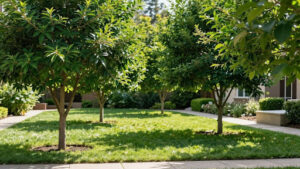
So, you’ve got a smaller front yard, or maybe just a tight spot near the entrance, and you’re thinking about adding a tree. Don’t worry, you don’t need a giant oak to make a statement. There are plenty of small trees that look great, don’t need a ton of fuss, and won’t take over your whole yard. Choosing the right small tree can really frame your house and add curb appeal without overwhelming the space.
When you’re looking at trees for these tighter areas, think about their mature size, but also their shape. Some trees spread wide, while others grow more upright. You want something that fits comfortably without blocking windows or walkways.
Here are a few things to keep in mind:
- Mature Height and Spread: Always check the tag or description. A tree that’s 10 feet tall now might be 25 feet wide in ten years.
- Root System: Some trees have aggressive roots that can damage sidewalks or foundations. Look for trees with less invasive root systems.
- Seasonal Interest: Even small trees can offer a lot. Think about flowers in spring, nice foliage in summer, great fall color, or interesting bark for winter.
Here are some popular choices that fit the bill:
| Tree Type | Mature Size (H x W) | Key Features |
| Japanese Maple | 15-25 ft x 15-25 ft | Delicate foliage, stunning fall color, varied forms |
| Serviceberry | 15-20 ft x 15-20 ft | Spring flowers, edible berries, and good fall color |
| Dwarf Alberta Spruce | 10-15 ft x 3-5 ft | Evergreen, conical shape, very slow growing |
| Crape Myrtle | 10-20 ft x 10-20 ft | Long blooming season, colorful flowers, attractive bark |
Remember, even small trees need a little attention when they’re first planted. Getting them established with proper watering is key to their long-term success and low-maintenance future. Don’t skip this step just because it’s a small tree.
Don’t forget about things like fruit trees, too! Many dwarf varieties are bred specifically for smaller spaces and can provide a nice harvest with minimal care once they’re settled in. Just make sure you’re okay with a little bit of fruit drop.
Native Low-Maintenance Trees for Sustainability
Choosing trees that are native to your area is a really smart move for a low-maintenance front yard, especially if you’re trying to save water. These trees have already adapted to your local climate and soil conditions over thousands of years. That means they generally don’t need a lot of fussing over once they’re established. They’re tough and can handle the weather patterns you’re used to, like dry spells or heavy rains, without much complaint.
Native trees are often the champions of low-water landscapes because they’ve evolved to thrive in the rainfall patterns of your region. This significantly reduces the need for supplemental watering, which is a huge win for both your water bill and the environment. Plus, they provide habitat and food for local wildlife, like birds and insects, which is pretty neat.
Here are some reasons why going native is a good idea:
- Water Wise: They’re naturally adapted to local rainfall, so less watering is needed.
- Pest and Disease Resistance: They’ve developed defenses against local pests and diseases, meaning fewer treatments.
- Soil Compatibility: They grow well in your existing soil types without needing lots of amendments.
- Wildlife Support: They provide food and shelter for native birds, bees, and other critters.
When you pick a native tree, you’re not just getting a pretty addition to your yard; you’re supporting the local ecosystem. It’s a win-win situation for you and the environment.
Planting native trees is like giving your yard a head start. They already know how to live here, so they’re less likely to struggle. This means less work for you and a healthier environment for everyone.
Slow-Growing Low-Maintenance Trees for Front Yard Planting
When you’re thinking about trees for your front yard, especially if you want something that won’t take over in a few years, going for slow-growing varieties is a smart move. These trees give you that lovely mature look over time without the constant worry of them getting too big too fast. They often require less pruning and are generally quite sturdy once established.
Choosing a slow-growing tree means you get to enjoy its development. It’s like watching a piece of art mature right in your yard. Plus, these trees tend to have a more compact form, which is great for front yards where space might be a bit limited. You won’t be battling branches that are constantly encroaching on walkways or windows.
Here are a few reasons why slow-growing trees are a good bet:
- Less Pruning: Because they grow slowly, you won’t need to be out there with the shears every other weekend. This saves you time and effort.
- Predictable Size: You can plan your landscaping around them more easily. Their mature size is more manageable and less likely to cause issues down the road.
- Stronger Structure: Often, slower growth leads to denser wood, making the tree more resilient to wind and weather.
- Long Lifespan: Many slow-growing trees are also known for living a very long time, becoming a lasting feature of your property.
Think about trees like the Japanese Maple or certain varieties of Magnolias. They add a touch of elegance and don’t demand a lot of your attention. You can find some really neat space-saving options that fit right into smaller yards, like the Little Gem Evergreen Magnolia.
Low-Maintenance Trees That Require Minimal Pruning
When we talk about low-maintenance trees, one of the biggest headaches we can avoid is constant pruning. Nobody wants to spend their weekends wrestling with branches, right? Choosing trees that naturally grow into a pleasing shape means less work for you and a tidier look for your front yard. It’s all about working with nature, not against it.
Some trees just seem to know how to grow. They don’t get leggy or develop awkward angles that need correcting. Think of trees that have a naturally upright habit or a nice, rounded form. These are the ones that will look good with just a little bit of attention, if any at all. It’s a real game-changer for keeping your yard looking sharp without a lot of fuss.
Here are some reasons why minimal pruning is a big deal:
- Saves Time: Less time spent pruning means more time for, well, anything else! Relaxing, hobbies, spending time with family – you name it.
- Reduces Stress: Forgetting to prune or doing it incorrectly can actually harm the tree. Minimal pruning means less chance of making mistakes.
- Healthier Trees: Over-pruning can weaken a tree. Trees that don’t need much pruning are often healthier and more robust.
- Cost-Effective: If you hire someone to prune, it adds up. Letting trees grow naturally saves you money.
It’s not just about avoiding the chore; it’s about the tree’s health and your sanity. You want a beautiful front yard, not a second job. Picking the right kind of tree from the start makes all the difference. For example, dwarf and columnar ornamental trees are often a great choice because their slow growth means they don’t need frequent trimming dwarf and columnar ornamental trees.
Watering Tips for Low-Maintenance Trees Establishment
Getting your new low-maintenance tree settled in its new front yard home is key, even if it’s a drought-tolerant type. The first year or two is when you really need to pay attention to watering. Think of it as helping your tree build its root system so it can fend for itself later.
When you first plant your tree, give it a good, deep soak. This helps settle the soil around the roots and gets rid of any air pockets. After that initial watering, you’ll want to water less often but more thoroughly. The goal is to encourage those roots to grow down into the soil, not just stay near the surface where they’ll dry out quickly.
How often you water depends a lot on the weather and your soil type. Sandy soil drains fast, so you might need to water more frequently than someone with clay soil, which holds onto moisture. A good rule of thumb is to check the soil moisture a few inches down. If it feels dry, it’s time to water.
Here’s a simple way to think about it:
- Initial Planting: Water deeply right after planting to settle the soil.
- First Few Weeks: Water every few days to a week, depending on heat and rain. Keep the soil consistently moist, but not waterlogged.
- First Year and Beyond: Gradually reduce watering frequency. Aim for deep watering once every week or two during dry spells, especially in the first year. By the second or third year, your tree should need very little supplemental water, assuming it’s a truly drought-tolerant species.
Mulching is your best friend here. A good layer of mulch around the base of the tree (but not touching the trunk!) helps keep the soil moist, suppresses weeds that steal water, and regulates soil temperature. It’s like a cozy blanket for your tree’s roots.
Common Mistakes to Avoid When Planting Low-Maintenance Trees
So, you’re aiming for a front yard that looks good without a ton of work, and you’ve picked out some low-water trees. That’s a great start! But even with the best intentions, it’s easy to mess things up during planting. Let’s talk about some common slip-ups so your new trees actually thrive.
One biggie is planting too deep. It sounds simple, but burying the root flare – that spot where the trunk starts to widen out – is a recipe for disaster. It can lead to rot and disease down the line. Always make sure the root flare is visible at or slightly above ground level.
Another mistake? Cramming too many trees into a small space. You might think more is better, but trees need room to grow, both above and below ground. Overcrowding leads to competition for light, water, and nutrients, and can make pruning a nightmare later on. It’s better to have a few well-placed trees than a jungle that’s hard to manage. Think about repeating plant varieties for a cohesive look instead of just stuffing everything in.
Here are a few more things to watch out for:
- Wrong Spot Selection: Putting a sun-loving tree in deep shade, or vice-versa. Read the plant tag!
- Ignoring Soil Drainage: Planting a tree that hates wet feet in a soggy spot. Most trees, even drought-tolerant ones, need decent drainage.
- Not Watering Enough (Initially): Even drought-tolerant trees need regular water when they’re first getting established. They can’t just survive on air from day one.
- Using the Wrong Mulch: Piling mulch right up against the trunk can trap moisture and invite pests and diseases.
You might be tempted to dig a hole that’s super wide and deep, thinking the tree will love all that loose soil. But often, trees do better when the hole is only as deep as the root ball and about two to three times as wide. This encourages the roots to grow outwards into the surrounding native soil, which is what they’ll have to deal with long-term anyway.
Finally, don’t forget about future size. That cute little sapling will grow. Picking a tree that’s too big for its spot will just create more work and potential problems down the road. Take the time to understand the mature size of the tree you’re choosing.
How to Maintain Low-Maintenance Trees With Less Water
So, you’ve picked out some great low-water trees for your front yard. That’s awesome! But even the toughest trees need a little attention now and then, especially when you’re trying to keep watering to a minimum. The good news is, ‘low maintenance’ doesn’t mean ‘no maintenance’. It just means you won’t be spending your weekends wrestling with them.
The key is to work with your tree’s natural tendencies, not against them. This means understanding what they need to thrive with less water and providing that support.
Here’s a breakdown of how to keep those drought-tolerant beauties happy:
- Mulch is Your Best Friend: Seriously, don’t skip this. A good layer of organic mulch (like wood chips or shredded bark) around the base of your tree, keeping it a few inches away from the trunk, does wonders. It helps the soil hold onto moisture, keeps weeds down (which steal water!), and regulates soil temperature. Think of it as a cozy blanket for the roots.
- Water Deeply, But Infrequently: When you do water, make it count. Instead of a quick sprinkle every day, give your tree a long, slow drink. This encourages the roots to grow deeper into the soil, making them more resilient. How often depends on your tree, your soil, and the weather, but aim for less frequent, more thorough watering.
- Weed Control is Non-Negotiable: Weeds are water thieves. They compete with your tree for every drop. Regularly pull any weeds that pop up around your tree’s base. It’s a simple task that makes a big difference in water availability for your tree.
- Avoid Over-Fertilizing: Too much fertilizer can push new growth that requires more water. Stick to a feeding schedule only if your tree shows signs of deficiency, and use a balanced, slow-release fertilizer. Often, these trees don’t need much feeding at all.
When it comes to watering, observe your tree. Wilting leaves, especially in the morning, can be a sign of thirst. However, yellowing leaves that stay yellow might indicate overwatering or poor drainage. It’s a balancing act, and your tree will give you clues.
Think about the soil, too. If you have heavy clay soil, water will drain more slowly, so you’ll need to water even less often than someone with sandy soil, which drains quickly. You can test your soil’s moisture by sticking your finger a few inches down. If it feels dry, it’s probably time for a drink. If it’s still damp, hold off.
Choosing the Right Low Maintenance Trees Long-Term Success
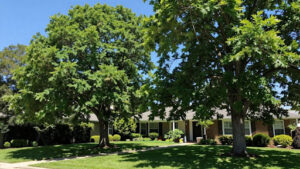
So, you’ve picked out some great low-maintenance, water-wise trees for your front yard. That’s awesome! But how do you make sure they actually thrive for years to come without becoming a chore? It’s not just about picking the right plant; it’s about giving it a good start and then letting it do its thing.
The goal is to select trees that fit your specific spot and then get them established properly so they can handle things on their own.
Here’s a quick rundown of what to think about:
- Site Assessment: Really look at your front yard. How much sun does it get? Is the soil sandy, clay, or something in between? Is it a windy spot? Knowing these things helps you match the tree to the conditions, not the other way around.
- Mature Size: Don’t just think about how the tree looks now. Look up its mature height and spread. Will it crowd your house, block a window, or get too close to power lines? Picking a tree that fits its space from the get-go saves a lot of headaches later.
- Water Needs (Even for Drought-Tolerant): While we’re talking low water, all trees need water when they’re first planted. You’ll need to water them regularly for the first year or two until their roots are well-established. After that, they’ll be much more self-sufficient.
- Pest and Disease Resistance: Some trees are just naturally tougher than others. Look for varieties known for being resistant to common local pests and diseases. This means fewer interventions for you.
Think of it like this:
You wouldn’t try to grow a cactus in a swamp, right? Same idea with trees. Giving them the right environment from the start means they’ll be happier, healthier, and require way less fuss from you down the line. It’s all about setting them up for success so they can just grow and look good without demanding your constant attention.
Making the right choice upfront really pays off. It means less work, less worry, and more enjoyment of your beautiful, low-maintenance front yard for years to come. Happy planting!
Picking the best trees for your front yard that don’t need a lot of care can make a big difference. You want trees that look great for a long time without you having to fuss over them. Our guide, “Choosing the Right Low Maintenance Trees for Front Yard Long-Term Success,” helps you find just the right ones. Want to make your yard amazing? Visit our website to learn more and get expert advice!
Frequently Asked Questions
What exactly makes a tree ‘low maintenance’ for a front yard?
A low-maintenance tree does not need a lot of fuss. It usually means it doesn’t drop a ton of messy fruit or leaves, doesn’t get sick or buggy easily, and can handle different weather without needing constant care. Basically, it’s a tree that looks good without you having to work hard for it.
Why is it good to pick trees that don’t need much water?
Choosing trees that don’t need much water is super smart! It saves you time and effort watering. Plus, it’s better for the environment because you’re using less water, which is important, especially in dry places. These trees are tough and can survive even when it’s hot and dry.
What are the main things to look for in a low-maintenance front yard tree?
You want trees that are tough and don’t need much babying. Look for ones that don’t shed a lot of leaves or seeds that make a mess. Trees that resist pests and diseases are also great. And, of course, ones that don’t need constant watering or shaping.
Do the weather and soil really matter when picking these trees?
Absolutely! Different trees like different kinds of weather and soil. Some trees love hot, dry weather, while others prefer cooler, wetter spots. Knowing what your yard’s weather and soil are like helps you pick a tree that will actually grow well and be happy there.
Can you name some trees that don’t need much water and are easy to care for?
Sure! Some popular choices include the Desert Willow, which has pretty flowers and loves dry heat. The Crape Myrtle is another good one, known for its colorful blooms and toughness. Many types of Oak trees are also very drought-tolerant and low-maintenance once they’re established.
What are some evergreen trees that look good all year and are easy to manage?
Evergreens are fantastic because they keep their leaves all year. For low maintenance and less water, consider the Eastern Red Cedar, which is super hardy. The Holly tree is another good option, offering berries and glossy leaves without much trouble. Some varieties of Pine trees are also quite drought-tolerant.
What about trees that lose their leaves but still offer benefits like shade?
Deciduous trees can be great too! The Chaste Tree (Vitex) is a beautiful option with purple flowers that attract butterflies, and it doesn’t need much water. The Serviceberry tree offers pretty spring flowers, summer berries, and nice fall color, all while being pretty tough.
What if I only have a small front yard? What trees work?
Don’t worry, there are plenty of smaller trees that fit the bill! Dwarf varieties of trees like the Japanese Maple can be stunning and don’t get too big. The Redbud tree is another lovely choice that stays relatively compact and offers beautiful spring flowers.
Are there any trees that are naturally good for my area and don’t need much help?
Yes, native trees are often the best bet! They’ve grown in your region for ages, so they’re already used to the local climate and soil. They also support local wildlife. Ask your local garden center or extension office which native trees are low-maintenance and drought-tolerant in your specific area.
What are slow-growing trees good for?
Slow-growing trees are great because they stay a manageable size for longer. This means you won’t have to worry about them getting too big too quickly and needing lots of pruning or potentially damaging your house or other structures. They offer a long-term, stable beauty.
Which low maintenance trees won’t need a lot of trimming?
Many of the drought-tolerant and native trees mentioned are naturally well-shaped and don’t require much pruning. Trees like the Eastern Red Cedar and many ornamental grasses that act like trees often keep their shape without intervention. You’ll mainly prune just to remove dead or damaged branches.
How should I water a new low maintenance tree to help it get started?
Even low-water trees need a good start! When you first plant them, water them deeply and regularly for the first year or so. This helps their roots grow strong. Once they’re established, you can gradually reduce watering, letting them rely more on rain.
Request a Quote
Our Services


