Shumard Oak Growth Rate: How Fast Does This Oak Tree Grow
Thinking about adding a Shumard Oak to your yard? You’ve probably wondered about the Shumard oak growth rate. It’s a pretty popular tree, and for good reason. These oaks offer great shade and look nice, but how fast do they actually grow? Factors like soil quality, water availability, sunlight exposure, and climate play a big role in the Shumard oak growth rate. Providing optimal conditions, including well-drained soil, consistent moisture during establishment, and full sun, will help encourage the best possible Shumard oak growth rate. Let’s break down what you can expect when it comes to how fast a Shumard oak grows and what helps it along.
An Overview of Shumard Oak Growth Rate
When you’re thinking about adding a tree to your yard, especially one as grand as an oak, you probably wonder how fast it’s actually going to grow. The Shumard Oak is a popular choice for a reason. It’s known for being a pretty decent grower, especially when compared to some of its slower-cousin oak species. This tree offers a nice balance between getting a substantial shade tree in a reasonable amount of time and having a long-lived, sturdy specimen.
It’s not a super-fast grower like a silver maple, but it’s definitely not a slouch either. You can expect it to put on a good amount of height each year, especially when it’s younger, and conditions are just right. This makes it a solid option if you’re looking for a tree that will mature into a majestic presence without taking forever.
Here’s a quick look at what influences its growth:
- Sunlight: Needs plenty of sun to really get going.
- Water: Consistent moisture when young is key, though mature trees are tough.
- Soil: Well-drained, decent soil is a must.
- Climate: Thrives in USDA zones 5-9.
Understanding these basics helps set realistic expectations for how quickly your Shumard Oak will develop into the impressive shade provider it’s meant to be. It’s a tree that rewards good care with steady, reliable growth, making it a worthwhile investment for your landscape.
Choosing a Shumard Oak means you’re opting for a tree that provides a good rate of growth without sacrificing the longevity and strength that oaks are famous for. It’s a smart pick for a landscape that you want to enjoy for decades to come.
What Is a Shumard Oak Tree? Key Characteristics
So, what exactly is a Shumard Oak? It’s a pretty impressive tree, known for being a fast-growing member of the red oak family. Native to the United States, this tree is a real trooper, handling all sorts of conditions like floods, strong winds, and even pollution. That’s why you often see it planted along city streets.
The Shumard Oak is a large, adaptable shade tree that can reach impressive heights and widths. It’s not just about size, though. This oak is celebrated for its vibrant fall colors, often a mix of reds with hints of green, orange, and brown, really livening up the landscape when things start to cool down.
Here are some of its key features:
- Impressive Size: Mature trees typically stand between 40 to 60 feet tall, with a spread of equal width. Some can get even larger, especially in the southern parts of their native range.
- Adaptability: It’s known for tolerating a wide range of soil types, including clay, wet, dry, and even poorly drained soils. It’s also quite resilient to drought once established.
- Wildlife Friendly: The acorns produced by the Shumard Oak are a food source for various animals, and the tree itself offers shelter.
- Hardiness: It’s a tough tree, generally hardy in USDA zones 5 through 9, meaning it can handle a good amount of cold.
This tree is a fantastic choice if you’re looking for a sturdy, low-maintenance shade tree that also provides seasonal beauty and supports local wildlife. Its resilience makes it a popular pick for urban environments where other trees might struggle.
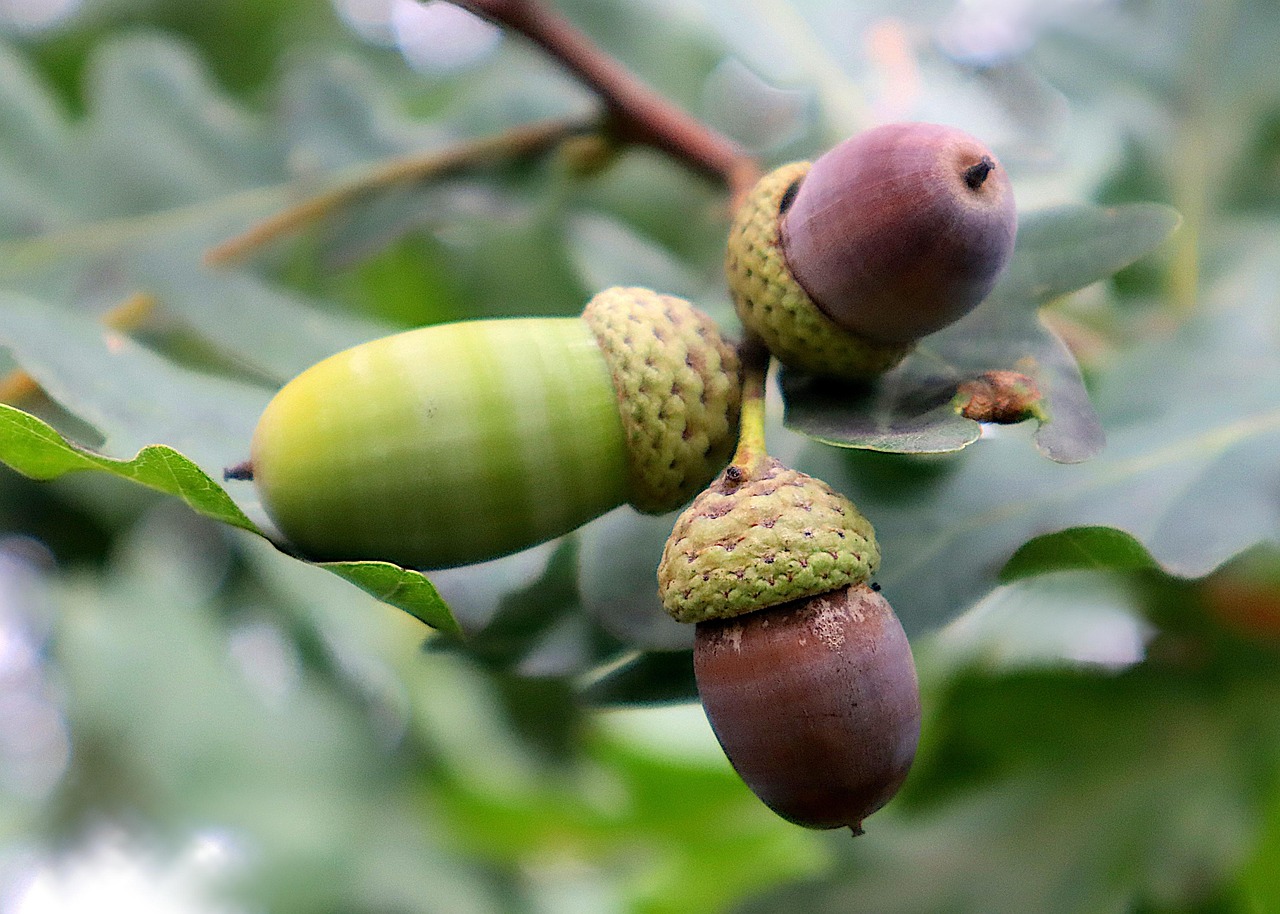
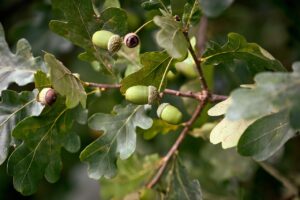
Shumard Oaks are also recognized for their distinctive leaves, which typically have seven to nine lobes. They produce acorns that are quite large and are a favorite for squirrels and birds. While they can take over 20 years to produce fruit consistently, the wait is often worth it for the wildlife benefits. You can find more information about its native range and characteristics on resources like the Lady Bird Johnson Wildflower Center.
Average Shumard Oak Growth Rate Per Year
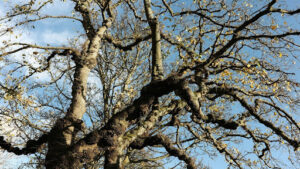
So, how fast does a Shumard Oak actually grow? Well, it’s not like watching a weed sprout, but for an oak tree, it’s pretty respectable. Under good conditions, you can expect a Shumard Oak to add about 1 to 2 feet in height each year. This rate isn’t constant, though; it changes as the tree gets older.
Think of it like this:
- Young Trees (First 5 Years): This is when the tree is busy setting down roots. Growth might be on the slower side, maybe around 1-2 feet annually, but it’s building a strong foundation.
- Vigorous Growth (Years 6-15): This is the prime time for growth. The tree really starts to take off, potentially adding 2-3 feet per year. You’ll notice it filling out and developing that classic oak shape.
- Maturity (After 15-20 Years): Growth slows down considerably once the tree reaches its mature size, which is typically between 60-80 feet tall. It’s still alive and well, just not shooting up as quickly.
It’s important to remember that this is an average. A Shumard Oak planted in perfect soil, with plenty of sun and water, will likely grow faster than one struggling in less-than-ideal conditions. It’s a medium to fast grower compared to many other oak species, offering a nice balance between patience and seeing results in your landscape.
While not the absolute fastest tree on the block, the Shumard Oak’s growth rate is a significant part of its appeal. It provides a satisfying pace of development, allowing you to enjoy its presence without an excessively long wait, while also promising a long lifespan and sturdy structure.
How Fast Do Young Shumard Oak Trees Grow?
When you first plant a Shumard oak sapling, it’s all about getting its roots settled in. Don’t expect it to shoot up like a weed right away. For the first year or two, it’s mostly putting energy underground. But once it gets going, especially after it’s been in the ground for about five years, you’ll start to see some real action. Young Shumard oaks can add between 1 to 2 feet in height each year under good conditions. This is a pretty decent clip, especially when you compare it to some of its slower-growing oak cousins.
Think of it like this:
- Year 1-5: Focus on root establishment. Expect about 1-2 feet of height gain annually, maybe a bit less in the very beginning.
- Year 6-15: This is prime time for growth. The tree really starts to fill out, and you might see it jump 2-3 feet per year.
- Year 15-20: By this point, it’s a noticeable tree, likely reaching 25-35 feet tall. Growth might slow a little from its peak, but it’s still putting on size.
It’s important to remember that this growth rate isn’t automatic. It really depends on giving the young tree what it needs. Things like good soil, enough water (especially when it’s young), and plenty of sunshine make a huge difference. If you skimp on these, you might see that 1-2 feet per year shrink considerably.
Providing consistent moisture during the initial establishment phase is key. While mature Shumard oaks are quite drought-tolerant, young trees need regular watering to develop a strong root system. This early care directly translates into faster and more robust growth in the subsequent years.
So, while you’re waiting for that majestic shade tree, know that the young Shumard oak is working hard, and with a little help from you, it’ll be well on its way to becoming a landscape centerpiece.
Shumard Oak Growth Rate at Maturity
Once a Shumard oak reaches maturity, its growth rate naturally slows down compared to its younger years. This doesn’t mean it stops growing, but the pace is more measured. Mature Shumard oaks typically add about 1 to 2 feet in height per year. This steady progress allows the tree to focus on strengthening its structure and developing its impressive canopy, which can spread 40 to 60 feet wide.
While the rapid growth phase is exciting, maturity brings a different kind of beauty and stability. The tree becomes a significant landscape feature, offering ample shade and a strong presence. It’s during this stage that the Shumard oak truly embodies its reputation as a long-lived and robust tree. The Shumard oak growth rate at maturity is still respectable, especially when you consider its impressive lifespan.
Here’s a general idea of what to expect:
- Height: Mature trees often reach 60-80 feet tall.
- Spread: The canopy can extend 40-60 feet wide.
- Trunk Diameter: Can grow to be quite substantial over time.
- Acorn Production: Begins around age 25 and continues, providing food for wildlife.
The Shumard oak’s mature growth rate is a testament to its resilience. It continues to add to its stature and presence, becoming a landmark in the landscape for decades to come. This steady, reliable Shumard oak growth rate is part of what makes it such a favored choice for long-term landscaping projects.
Compared to some other oak species, the Shumard oak maintains a good growth rate even into maturity. It’s not the slowest oak out there, but it’s also not a fleetingly fast grower. It strikes a nice balance, offering a satisfying Shumard oak growth rate that allows it to mature into a grand tree without an excessively long wait. You can find more details about its characteristics and growth patterns on pages like Shumard oak acorns mature.
Factors That Affect Shumard Oak Growth Rate
So, you’re wondering what makes a Shumard Oak shoot up or maybe just take its sweet time? It’s not just one thing, you know. A bunch of different elements come into play, and they all work together to decide how fast your tree gets big and strong.
Think about it like this: a tree needs the right ingredients to thrive, just like we do. If it’s missing something or if conditions aren’t quite right, it’s going to show in its growth. The most important thing to remember is that a happy tree grows faster.
Here are some of the big players:
- Sunlight: These oaks really love their sun. They need at least six hours of direct sunlight each day to really get going. Less sun means slower growth, plain and simple.
- Water: Especially when they’re young, Shumard Oaks need consistent moisture. Once they’re established, they’re pretty tough and can handle dry spells, but consistent watering in the early years makes a huge difference.
- Soil: The kind of dirt you plant it in matters a lot. They prefer well-drained soil that’s not too acidic or too alkaline. If the soil is compacted or doesn’t drain well, the roots can’t get what they need.
- Nutrients: While mature Shumard Oaks aren’t usually fussy about fertilizer if they’re in good soil, young trees can benefit from a little boost, especially if the soil is lacking.
- Climate: These trees do best in certain temperature ranges and growing seasons. They’re hardy in zones 5 through 9, so if you’re outside that, you might see slower growth.
It’s easy to forget that trees are living things with specific needs. Just like a garden plant, if you don’t give it the right conditions, it’s going to struggle. Paying attention to these factors from the start is key to seeing your Shumard Oak reach its full potential.
So, if your Shumard Oak seems to be growing slower than you expected, take a look at these factors. You might find a simple adjustment that makes all the difference.
Soil Conditions That Influence Shumard Oak Growth Rate
When you’re thinking about how fast a Shumard Oak grows, the ground it’s planted in plays a pretty big role. These trees aren’t super picky, but they definitely do better when they have the right kind of soil to work with. They really prefer well-drained soil that’s a bit on the acidic to neutral side. This helps their roots spread out and get the nutrients they need without getting waterlogged.
Think about it like this: if you’re trying to grow something, you want it to have a good foundation, right? For Shumard Oaks, that means soil that lets water drain away but still holds enough moisture for the tree to drink. Heavy clay soils can be a problem because they tend to hold too much water, which can lead to root rot. On the flip side, super sandy soils might drain too quickly and not hold enough water or nutrients.
Here’s a quick rundown of what soil conditions help these oaks thrive:
- Drainage: This is key. The soil needs to let excess water escape easily. If water sits around the roots for too long, it can cause problems.
- pH Level: Shumard Oaks generally do best with a soil pH between 6.0 and 7.5. If your soil is too acidic or too alkaline, it can make it harder for the tree to absorb certain nutrients, like iron. This can lead to yellowing leaves, especially in shallow, limestone-heavy soils.
- Organic Matter: Adding compost or other organic material can really improve soil structure. It helps clay soils drain better and helps sandy soils hold more moisture and nutrients.
If you’re planting a new Shumard Oak, it’s a good idea to test your soil first. Knowing its pH and composition will help you figure out if you need to amend it. Adding a few inches of organic mulch around the base of the tree, keeping it a few inches away from the trunk, can also help regulate soil temperature and keep moisture levels more consistent. This is especially helpful when the tree is young and getting established. While mature trees are pretty tough, giving them a good start in the soil makes a big difference in their overall growth and health. Getting the soil right is a big step towards seeing that medium growth rate you’re looking for.
Water and Moisture Needs for Optimal Shumard Oak Growth
Shumard Oaks are pretty adaptable when it comes to water, but getting it right, especially when the tree is young, makes a big difference in how fast it grows. Think of it like this: a good drink helps a sapling get its roots down strong, which is the foundation for all that future growth.
For the first few years after planting, consistent moisture is key. You don’t want the soil to dry out completely, but you also don’t want it to be a swamp. Aim for deep watering, maybe a couple of times a week, particularly during dry spells. This encourages those roots to spread out and seek water, making the tree more resilient later on.
Once your Shumard Oak is established, usually after about three years, it becomes quite drought-tolerant. It’s a tough tree that can handle drier conditions. However, even established trees benefit from a good soaking during prolonged heat waves or severe droughts. It’s not about daily watering; it’s about providing enough when it’s really needed.
Here’s a quick rundown:
- New Trees (First 1-3 Years): Water deeply 1-2 times per week. Check the soil moisture – it should be damp, not soggy.
- Established Trees (3+ Years): Water deeply only during extended dry periods. They can usually manage on their own with natural rainfall.
- Mulch is Your Friend: Applying a 2-3 inch layer of organic mulch around the base (but not touching the trunk!) helps keep the soil moist and regulates its temperature. It’s like a cozy blanket for the roots.
Overwatering can be just as bad as underwatering. Soggy soil can lead to root rot, which is a serious problem for any tree, including the Shumard Oak. Make sure the planting site has good drainage so excess water can escape.
So, while they’re not super thirsty trees once they’re settled in, giving them the right amount of water when they need it, especially when they’re young, really helps them reach their full growth potential.
Sunlight Requirements and Their Impact on Shumard Oak Growth Rate
Shumard Oaks are sun-lovers, plain and simple. They really do best when they can soak up as much direct sunlight as possible. Think at least six hours a day, ideally more. This isn’t just a suggestion; it’s pretty important for how fast they grow.
When a Shumard Oak gets enough sun, its leaves can really get to work, making food through photosynthesis. More food means more energy for growth, which translates to a taller tree with a fuller canopy. It’s like giving the tree a supercharged energy drink, but, you know, natural.
While they can survive in partial shade, don’t expect them to put on a growth spurt. Growth will slow down considerably. It’s not that they’ll die, but they won’t reach their full potential in terms of height or spread. It’s a trade-off: a bit of shade might look nice, but it comes at the cost of vigorous growth.
Here’s a quick rundown:
- Full Sun (6+ hours direct sunlight): Optimal growth, vigorous development, best height, and canopy spread.
- Partial Shade (4-6 hours direct sunlight): Moderate growth, slower development, less dense canopy.
- Heavy Shade (less than 4 hours of direct sunlight): Stunted growth, thin canopy, generally not recommended for this tree.
Planting a Shumard Oak in a spot that gets plenty of sun from the get-go is one of the easiest ways to help it thrive. It’s a simple step that makes a big difference in how quickly your tree establishes and grows over the years. Think of it as setting it up for success right from the start.
If you’re looking to get the most out of your Shumard Oak, choosing a location with ample sunlight is key. It’s one of the most straightforward ways to encourage faster tree growth and ensure your tree becomes the majestic specimen you envision.
Climate and Hardiness Zones for Healthy Shumard Oak Growth
Shumard Oaks are pretty tough trees, and they can handle a good range of weather. They do best in USDA hardiness zones 5 through 9. This means they can survive winters with temperatures dipping down to -20°F (-29°C) in zone 5, all the way up to milder winters in zone 9. Think of it this way: if you’re in most of the eastern and central United States, you’re probably in a good spot for a Shumard Oak.
These trees are native to the southeastern and south-central parts of the U.S., so they’re well-adapted to the climates found there. They appreciate a decent growing season, which is why they thrive in zones 5-9. In these areas, they tend to reach their full potential in terms of size and growth rate.
Here’s a quick look at what those zones generally mean:
- Zone 5: Average annual extreme minimum temperature of -20°F to -10°F (-29°C to -23°C).
- Zone 6: Average annual extreme minimum temperature of -10°F to 0°F (-23°C to -18°C).
- Zone 7: Average annual extreme minimum temperature of 0°F to 10°F (-18°C to -12°C).
- Zone 8: Average annual extreme minimum temperature of 10°F to 20°F (-12°C to -7°C).
- Zone 9: Average annual extreme minimum temperature of 20°F to 30°F (-7°C to -1°C).
While they’re pretty adaptable, extreme heat or cold outside of these zones can stress the tree, slowing down its growth or making it more susceptible to problems. They also don’t love constantly waterlogged soil, but they can handle some pretty humid conditions, especially if the soil drains well.
Shumard Oaks are quite resilient and can tolerate a variety of conditions, but sticking within their preferred hardiness zones (5-9) gives them the best chance to thrive and grow at their best. It’s all about matching the tree to the right environment for a long, healthy life.
How Shumard Oak Growth Rate Compares to Other Oak Species
When you’re looking at trees, it’s easy to get caught up in how fast they grow. The Shumard Oak definitely holds its own when you stack it up against other oaks, and even other types of trees.
Compared to many other oak species, Shumard Oaks are considered faster growers. This is a big deal for folks who want a mature-looking landscape without waiting forever. For instance, while a White Oak or a Post Oak might take its sweet time, a Shumard Oak is often putting on a good foot or two of height each year, especially when it’s young and conditions are just right.
However, it’s not like it’s the absolute fastest tree out there. If you compare it to something like a Silver Maple or a Tulip Poplar, those can shoot up even quicker. But, those super-fast growers often come with downsides, like weaker wood that doesn’t handle storms well or a shorter lifespan. The Shumard Oak strikes a nice balance – it grows at a decent clip but is also built to last and withstand the elements.
Here’s a quick look at how it generally stacks up:
- Shumard Oak: Medium to fast growth (1-2+ feet/year when young), strong, long-lived.
- White Oak/Bur Oak: Slower growth, very long-lived, very strong.
- Red Maple/Silver Maple: Very fast growth, but often weaker wood, shorter lifespan.
- Tulip Poplar: Very fast growth, but can be prone to breakage.
So, if you’re after a tree that gives you a good amount of growth without sacrificing longevity or strength, the Shumard Oak is a really solid choice. It’s a great compromise between getting shade sooner and having a tree that will be a landscape feature for generations.
It’s important to remember that while Shumard Oaks are faster than many of their oak cousins, they aren’t the speed demons of the entire tree world. Their strength lies in offering a good blend of growth, durability, and a majestic presence that matures gracefully over time.
How to Encourage Faster Shumard Oak Growth Rate
So, you’ve got a Shumard Oak, and you’re eager to see it grow into that magnificent shade tree we talked about. That’s totally understandable! While these oaks are pretty good growers on their own, there are definitely a few things you can do to give them a little nudge.
First off, think about where you planted it. Full sun is your best friend here. Shumard Oaks really take off when they get at least six hours of direct sunlight each day. If it’s tucked away in a shady corner, it’s going to be a bit of a slowpoke. Also, make sure it’s not competing with other big plants or structures for light and nutrients.
Watering is super important, especially when the tree is young. For the first few years, try to keep the soil consistently moist, but not waterlogged. Think of it like giving a toddler a drink – regular sips are better than one big gulp. Once it’s established, they’re pretty tough and can handle dry spells, but a good watering during a drought never hurts.
Here’s a quick rundown of what helps:
- Soil Prep: Before planting, especially if your soil is heavy clay, mix in some organic matter like compost. This helps with drainage and gives the roots a better place to spread. Testing your soil’s pH is also a good idea; they like it slightly acidic to neutral, around 6.0 to 7.5.
- Mulching: A nice layer of organic mulch, about 2-3 inches deep, spread around the base (but not touching the trunk!) is a game-changer. It keeps the soil temperature steady and holds in moisture, which the roots love.
- Fertilizing (Early On): For the first few years, a balanced, slow-release fertilizer can give your young oak a boost. Mature trees usually don’t need much, if any, extra food if they’re in decent soil.
Remember, patience is key with trees. While you want to encourage growth, you’re also building a tree that will be around for generations. Giving it the right conditions from the start is the best way to ensure a long, healthy, and impressive life for your Shumard Oak.
Want your Shumard Oak tree to grow faster? Giving it the right care can make a big difference. Proper watering and feeding are key to helping your tree reach its full potential. For expert advice on tree care and to ensure your Shumard Oak thrives, visit our website today!
Frequently Asked Questions
How fast does a Shumard Oak tree typically grow each year?
Under good conditions, a Shumard Oak can grow about 1 to 2 feet taller each year. During its younger, more energetic years, it might even grow a bit faster!
What makes a Shumard Oak grow faster or slower?
Several things affect how quickly a Shumard Oak grows. These include the quality of the soil, how much water it gets, how much sunlight it receives, and the overall climate it’s growing in.
Do young Shumard Oaks grow faster than older ones?
Yes, generally young Shumard Oaks tend to grow more quickly as they establish their roots and get going. The most rapid growth usually happens between years 6 and 15.
How tall can a Shumard Oak get when it’s fully grown?
A mature Shumard Oak is quite a sight! It can reach heights of 60 to 80 feet, with a spread of 40 to 60 feet, making it a grand shade tree.
What kind of soil is best for a Shumard Oak’s growth?
Shumard Oaks prefer soil that drains well and isn’t too heavy. They like soil that has a good balance of nutrients and can hold some moisture, with a pH level between 6.0 and 7.5.
How much water does a Shumard Oak need to grow well?
When they are young, Shumard Oaks need regular watering to help their roots settle in. Once they’re established, they become quite tolerant of dry spells, though consistent moisture helps them grow their best.
Does sunlight affect how fast a Shumard Oak grows?
Absolutely! Shumard Oaks grow fastest when they are planted in a spot that gets plenty of full sun, meaning at least six hours of direct sunlight each day.
How does a Shumard Oak’s growth rate compare to other oak trees?
Compared to many other oaks, like the White Oak or Bur Oak, the Shumard Oak grows noticeably faster. It’s considered one of the faster-growing red oaks, offering a good balance between quick growth and long-term sturdiness.
Request a Quote
Our Services