Slash Pine vs Longleaf Pine: Key Differences Explained
If you’re trying to figure out the difference between slash pine and longleaf pine, you’re not alone. These two southern pine trees can look pretty similar, especially when they’re all grown up. But some key distinctions can help you tell them apart, whether you’re looking at their needles, cones, or where they like to grow. This article breaks down the slash pine vs longleaf pine differences so you can spot them easily.
Slash Pine vs Longleaf Pine: Overview of These Southern Pine Species
When you’re looking at trees in the Southern United States, you’ll often run into two types of pines that look pretty similar: the slash pine and the longleaf pine. It’s easy to get them mixed up, especially since they can grow in some of the same places and have similar uses. But if you look a little closer, some clear differences set the slash pine vs longleaf pine apart. Understanding these distinctions is key, whether you’re a forester, a landowner, or just someone who appreciates these important trees.
Both slash pine (Pinus elliottii) and longleaf pine (Pinus palustris) are native to the southeastern US and play big roles in the ecosystem and local economies. They’re both conifers, meaning they have needles and produce cones, and they’re known for being tough and adaptable. However, their growth habits, physical traits, and even their preferred spots in nature vary quite a bit. This comparison of slash pine vs longleaf pine will help clear things up.
Here’s a quick rundown of what makes them unique:
- Needle Arrangement: Slash pines typically have needles in bundles of two or three, while longleaf pines almost always have theirs in bundles of three.
- Cone Appearance: Longleaf pine cones are generally longer and more slender than those of the slash pine.
- Habitat Preferences: While both can handle sandy soils, slash pines often tolerate wetter conditions than longleaf pines.
The subtle differences between slash pine vs longleaf pine are important for identification and understanding their ecological roles. While they share a common range and some uses, their specific adaptations lead to distinct preferences for soil moisture and fire regimes, influencing where each thrives best in the natural landscape.
When we talk about slash pine vs longleaf pine, we’re really talking about two of the most significant pine species in the region. They’ve been vital for timber, naval stores, and wildlife habitat for centuries. Getting the longleaf pine vs slash pine straight is the first step to appreciating their individual contributions.
Native Range and Natural Habitat: Slash Pine vs Longleaf Pine
Alright, let’s talk about where these two pine trees actually like to hang out. It’s pretty different, and knowing this can help you figure out which one might actually grow well where you are.
Slash pines, scientifically known as Pinus elliottii, are pretty much a staple across the Southeastern United States. You’ll find them from South Carolina all the way west to southeastern Louisiana, and then south through Florida. There are actually two main types, or varieties. The typical slash pine (P. e. var. elliottii) is more common in the northern parts of this range, like Florida and Georgia, and can even be found up towards the Appalachian foothills. Then there’s the South Florida slash pine, or Dade County pine (P. e. var. densa), which is a bit more specialized. This one is found in the unique pine rocklands of southern Florida and the Florida Keys, including areas like the Everglades. It’s not a fan of frost, so its range is limited to that warmer southern tip.
Longleaf pines (Pinus palustris), on the other hand, used to cover a massive chunk of the Southeast. We’re talking millions of acres, from East Texas all the way up to southern Virginia, and inland to parts of Alabama and Georgia. However, things like development and changes in how we manage forests (especially fire suppression) have really cut down their natural range. They’re still found in many of the same general areas as slash pines, but they tend to prefer slightly different spots.
Here’s a quick rundown of their preferred spots:
- Slash Pine:
- Prefers wet flatwoods, sandy subtropical maritime forests, and swampy areas.
- Tolerates a wider range of soils, but does best with good soil moisture.
- Found from South Carolina to Louisiana, and throughout Florida.
- Longleaf Pine:
- Typically found in well-drained, sandy soils, often on ridges or higher ground.
- Historically dominated vast areas of the coastal plain.
- The range extends from East Texas to Virginia, with significant historical presence in the Carolinas, Georgia, and Florida.
So, while there’s some overlap, slash pines are more at home in wetter, sometimes swampier conditions, whereas longleaf pines historically thrived in drier, sandy uplands. It’s a subtle but important difference when you’re thinking about where they naturally grow best.
It’s interesting how these trees have adapted to specific environments. Slash pines, especially the southern variety, are found in these really unique, often wet, sandy areas that are pretty specific to South Florida. Longleaf pines, though, used to be the kings of the sandy coastal plains, covering huge stretches before things changed.
Think of it this way: if you’ve got a spot that’s often a bit soggy, slash pine might be a good fit. If you’re looking at drier, sandy ground, longleaf pine is probably more in its natural element.
Growth Rate and Mature Size Comparison: Slash Pine vs Longleaf Pine
When you’re looking at slash pine and longleaf pine, their growth speed and how big they get are pretty different, and it matters a lot depending on what you want them for.
Slash pines are known for being fast growers. They really shoot up, especially when they’re younger. This quick growth makes them a popular choice for timber production because you can get a harvestable tree in a shorter amount of time. They tend to reach heights of about 60 to 100 feet, sometimes a bit more, with a trunk diameter that’s usually around 2 to 2.5 feet when they’re fully grown. They have a pretty classic pine tree shape, often conical when young and becoming more rounded or irregular as they age.
Longleaf pines, on the other hand, have a much slower start. Seedlings can spend a good chunk of time, even up to 20 years, in a “grass stage.” They stay low to the ground during this period, looking more like a clump of grass than a tree. This might seem like a disadvantage, but it’s actually an adaptation that helps them survive fires. Once they get past this stage, though, they really take off and can become massive trees. Mature longleaf pines are giants, often reaching 100 to 125 feet tall, and they can live for a very long time. Their trunks can be quite substantial, sometimes 3 to 4 feet in diameter. They typically have a more open, irregular crown when mature compared to the more consistently conical shape of slash pines.
Here’s a quick look at how they stack up:
- Slash Pine:
- Fast initial growth rate.
- Mature height: 60-100 ft (sometimes taller).
- Mature diameter: 2-2.5 ft.
- Generally conical to rounded crown.
- Longleaf Pine:
- Very slow initial growth (grass stage).
- Rapid growth after the grass stage.
- Mature height: 100-125 ft (can exceed).
- Mature diameter: 3-4 ft.
- Often, an open, irregular crown is formed when mature.
So, if you need trees that grow quickly for wood production or want a substantial, long-lived tree that becomes a real landmark, you’ve got two very different options here. The long wait for a longleaf to mature is part of its story, while the slash pine is all about getting there faster.
Needle Length, Cone Size, and Physical Appearance Differences
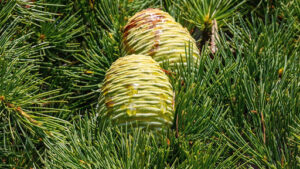
Alright, let’s talk about how these two pines actually look. It’s easy to get them mixed up, especially from a distance, but once you know what to look for, you can spot the differences pretty quickly.
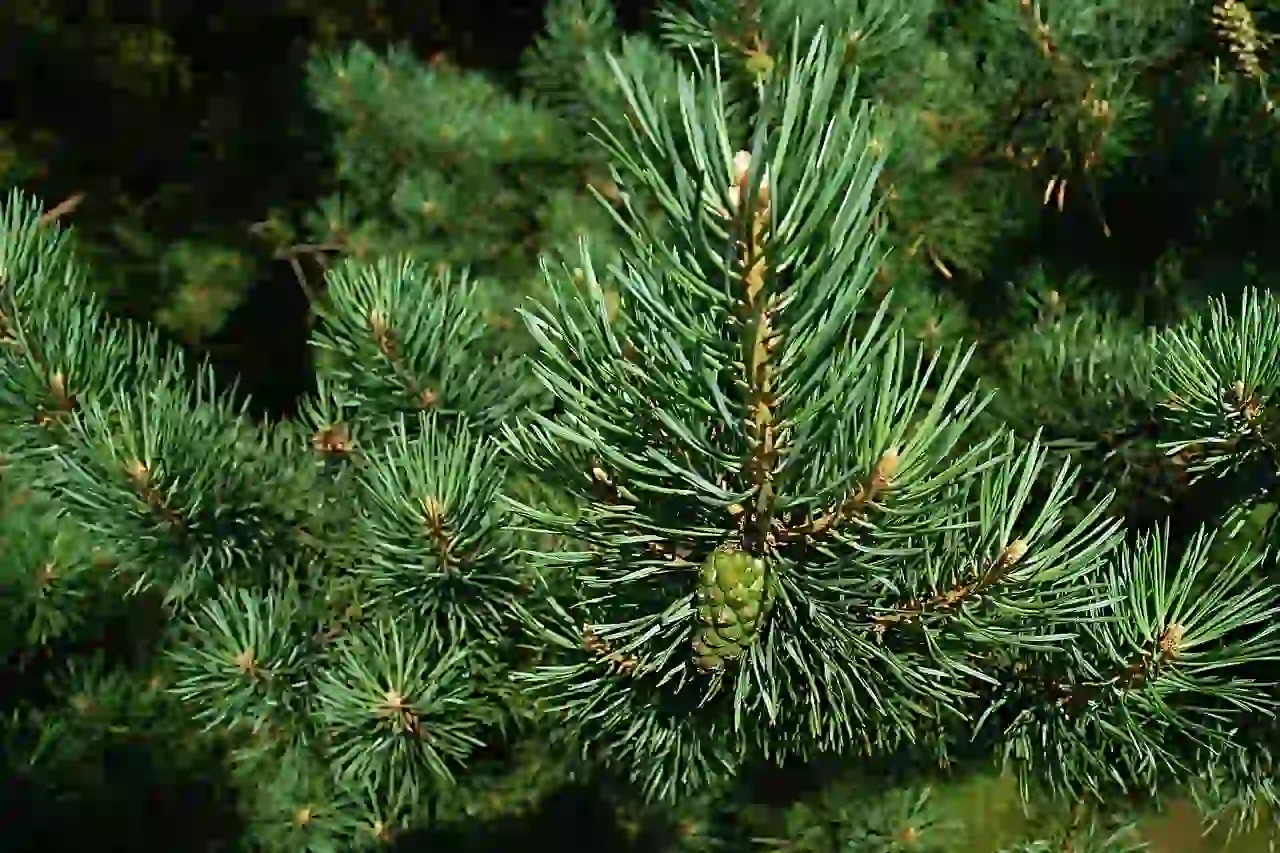
One of the first things to check is the needles. Longleaf pine needles are seriously long, usually between 8 and 12 inches. They’re also typically found in bundles of three, though sometimes you’ll see two. Slash pine needles are a bit shorter, generally 4 to 10 inches, and they can come in bundles of two or three. A key thing to remember is that slash pine needles tend to be clustered more tightly at the very end of the branches, almost like a pom-pom.
When it comes to cones, longleaf pine cones are usually a bit larger and more slender, often around 6 to 10 inches long. They have a slightly curved shape and fall off relatively soon after they release their seeds. Slash pine cones are typically a bit shorter and fatter, usually in the 3 to 6 inch range, and they have a glossy brown appearance. The scales on slash pine cones also tend to have sharper prickles.
Here’s a quick rundown to help you remember:
- Needles:
- Longleaf: 8-12 inches, usually 3 per bundle, spread out along the twig.
- Slash: 4-10 inches, 2 or 3 per bundle, tightly clustered at branch tips.
- Cones:
- Longleaf: Larger, more slender, slightly curved, and fall sooner.
- Slash: Smaller, fatter, glossy brown, sharper prickles on scales.
You might also notice differences in the twigs themselves. Longleaf pine twigs stay pretty thick all the way to the tip, kind of like a thumb. Slash pine twigs, on the other hand, taper down more noticeably as they get closer to the end, a bit more like a loblolly pine.
So, while they both look like classic pine trees, paying attention to needle length and how they’re grouped, along with the size and look of the cones, will really help you tell a slash pine from a longleaf pine.
Bark Texture and Trunk Structure: Slash Pine vs Longleaf Pine
When you’re trying to tell a slash pine from a longleaf pine, take a good look at their bark and how their trunks grow. It’s one of the easier ways to tell them apart, especially once they get a bit older.
Slash pine bark tends to be a reddish-brown color. As the tree matures, this bark develops into flat plates that are somewhat scaly. You might notice orange-brown tones mixed in there, too. The twigs on a slash pine are usually described as stout and rough, with the needles often clustered tightly at the very tips of the branches. This gives the crown a bit of a tufted look.
Longleaf pine, on the other hand, has bark that’s typically reddish-brown to gray-brown. It’s deeply furrowed, meaning it has prominent grooves running up and down the trunk. The bark on longleaf can look a bit more rugged and less uniformly plated than slash pine. Its twigs are also noted for being very stout and rough, perhaps even more so than slash pine, and the needles are generally longer and more spread out along the branches.
Here’s a quick rundown:
- Slash Pine: Bark is reddish-brown with flat, scaly plates. Twigs are stout and rough. Needles are often crowded at branch tips.
- Longleaf Pine: Bark is reddish-brown to gray-brown, deeply furrowed. Twigs are very stout and rough. Needles are longer and more spread out.
The trunk structure also differs. Slash pines tend to grow more upright and often self-prune their lower branches as they age, leading to a cleaner trunk. Longleaf pines can sometimes have a more irregular or twisted trunk, especially when young, though mature trees can be quite stately. This difference in trunk form is partly due to how they handle competition and environmental factors.
It’s worth noting that young trees of both species can look quite similar, making identification a bit trickier. But as they grow, these bark and trunk characteristics become much more distinct. If you’re looking at a really old, massive pine in the Southeast, it might be a longleaf, as they can live for a long time, but slash pines are also quite common and can reach impressive sizes, too. For more details on identifying different pine species, checking out resources onnative trees can be really helpful.
Soil and Water Requirements for Slash Pine vs Longleaf Pine
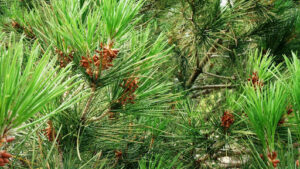
When it comes to where these trees like to put down roots, slash pine and longleaf pine have some pretty distinct preferences, though there’s overlap.
Slash pine, for instance, is pretty adaptable. It can handle a range of soils, but it really thrives in areas with more moisture. You’ll often find it doing well in wetter spots, like near swamps or ponds. This species generally prefers warmer climates, too, doing best where the average annual temperature is above 63°F. It’s not a fan of extreme cold, with its range typically limited by frost tolerance, especially for the South Florida variety.
Longleaf pine, on the other hand, is known for its resilience, especially in drier, sandier soils. Historically, it dominated vast areas, often in environments that experienced regular fires. While it can tolerate some moisture, it’s not usually found in the really wet areas where slash pine might be comfortable. Think well-drained, sandy soils for the longleaf.
Here’s a quick rundown:
- Slash Pine: Prefers moist soils, can tolerate wet areas, and generally needs warmer climates.
- Longleaf Pine: Thrives in well-drained, sandy soils, is more drought-tolerant, and adapted to fire-prone areas.
It’s interesting how these two pines, often found in similar regions, have evolved to favor slightly different conditions. This difference in soil and water needs is a big reason why you might see one species dominating a particular site over the other, even if they’re growing relatively close by.
For planting, if you’ve got a site that’s a bit boggy or stays consistently damp, slash pine might be your go-to. If you’re dealing with drier, sandy ground, longleaf pine is probably the better bet. Understanding these soil and water needs is key to getting your trees off to a good start, especially when you’re looking at restoration projects or trying to establish a new stand.
Climate Tolerance and Cold Hardiness Comparison
When you’re picking out trees, thinking about how they’ll handle the weather is a big deal. Both slash pine and longleaf pine are tough cookies, but they do have their preferences.
Slash pine (Pinus elliottii) is generally found in the southeastern United States, thriving in warmer, humid climates. It’s pretty tolerant of heat and humidity, which makes sense given its native range. While it can handle some cooler temperatures, it’s not the best choice for areas that get prolonged, deep freezes. Think of it as a tree that likes it warm and doesn’t mind a bit of a muggy day.
Longleaf pine (Pinus palustris), on the other hand, has a reputation for being quite hardy. It also hails from the southeastern US but can extend a bit further north and west than slash pine. Longleaf pine is known for its impressive cold hardiness, able to withstand colder winters and fluctuating temperatures better than slash pine. This resilience is partly due to its unique seedling stage, where it forms a grass-like tuft that is protected from ground fires and also helps it survive harsh conditions.
Here’s a quick look at how they stack up:
- Slash Pine: Prefers warmer climates, less tolerant of severe cold and prolonged freezes. Best suited for USDA hardiness zones 8-10.
- Longleaf Pine: More cold-hardy, can tolerate colder winters and a wider range of temperatures. Generally suitable for USDA hardiness zones 7-10.
So, if you’re in an area that experiences significant winter cold, longleaf pine is likely the more reliable option. Slash pine will do just fine in the warmer parts of its range, but pushing it too far north might lead to disappointment.
It’s interesting how these two pines, often found in similar regions, have slightly different tolerances. This difference is often tied to their specific adaptations, like how longleaf pine’s early growth stage helps it survive colder snaps and fires that slash pine might struggle with.
Fire Resistance and Adaptability: Slash Pine vs Longleaf Pine
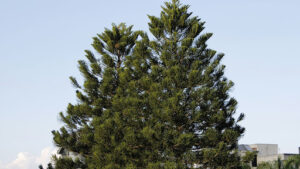
When we talk about pines in the Southeast, fire is a big part of the story. Both slash pine and longleaf pine have evolved with fire, but they handle it a bit differently.
Longleaf pine is the real fire-adapted champion here. It has this unique “grass stage” when it’s young, where it looks like a clump of grass and stays low to the ground. This stage can last for years, and it’s a smart move to keep its main bud safe from flames. Once it’s ready, it shoots up really fast, getting its growing tip above the typical fire height. Its thick, orange-brown bark also offers good protection.
Slash pine, on the other hand, isn’t quite as specialized for fire as longleaf. It can survive fires, especially when it’s older and has developed thicker bark. However, it doesn’t have that extended grass stage to protect its early growth. It’s more likely to be damaged by frequent, intense fires compared to longleaf.
Here’s a quick look at how they stack up:
- Longleaf Pine:
- Excellent fire resistance.
- Unique “grass stage” protects young plants.
- Thick bark offers good protection.
- Adapted to frequent fire cycles.
- Slash Pine:
- Moderate fire resistance, better when mature.
- Lacks the specialized “grass stage.”
- It can be damaged by intense or frequent fires, especially when young.
- More adaptable to a wider range of conditions, including wetter sites, which might see less frequent fire.
While both species can coexist in fire-prone landscapes, longleaf pine’s adaptations give it a clear edge in ecosystems that experience regular, natural fire events. Slash pine is more of a generalist, able to handle some fire but not as reliant on it for its life cycle or as well-protected against it as the longleaf.
Lifespan and Long-Term Durability of Slash Pine vs Longleaf Pine
When we talk about how long these trees stick around and how tough they are over time, there are some pretty noticeable differences between slash pine and longleaf pine. It’s not just about how tall they get, but how many years they can stand strong.
Longleaf pine generally has a longer lifespan and can be more durable in the long run compared to slash pine.
Here’s a quick look at what that means:
- Slash Pine: These trees are known for growing fast, which is great for quick timber harvests. However, they typically don’t live as long as longleaf pines. We’re usually looking at a lifespan of around 150 to 200 years. They’re strong, but maybe not built for centuries like some other trees.
- Longleaf Pine: These guys are the marathon runners of the pine world. They can easily live for 200 to 500 years, and some have even been recorded living much longer. This extended life means they can grow into massive, old-growth trees that are incredibly resilient.
Think about it this way:
While slash pine is like a sprinter, giving a great performance over a shorter period, longleaf pine is the ultra-marathoner. It takes its time to get going, but once it’s established, it can endure for ages, becoming a truly majestic presence in the landscape.
This difference in longevity also ties into their durability. The older, more established longleaf pines often develop a denser, more robust wood structure, making them quite resistant to decay and certain types of damage over their very long lives. Slash pines are still good, solid trees, but they just don’t have that same ancient, enduring quality.
Common Uses in Timber, Landscaping, and Restoration Projects
Both slash pine and longleaf pine are workhorses in the southeastern United States, each with its own set of talents when it comes to practical applications. When we talk about timber, these trees are pretty important. Slash pine, with its faster growth, often gets the nod for pulpwood and general construction lumber. It’s a reliable choice for getting usable wood products out of the ground relatively quickly. Longleaf pine, on the other hand, is famous for its strength and durability. Historically, it was the go-to for ship masts and heavy construction because its wood is dense and resistant to rot. While it takes longer to mature, the quality of the lumber is often considered superior for certain applications.
In landscaping, the choice depends on what you’re aiming for. Slash pine can be a good option if you need a tree that grows fairly quickly and provides shade, though it can get quite large. Longleaf pine, with its more open, picturesque form as it matures, can be a stunning specimen tree. It’s also a fantastic choice for naturalistic landscapes, especially in areas that mimic its native habitat. Remember, longleaf pine has that unique grass-stage juvenile phase, which is quite interesting to observe.
Restoration projects are where longleaf pine really shines. It’s a keystone species in many southeastern ecosystems, and bringing it back helps restore the whole habitat. Its adaptability to fire and sandy soils makes it ideal for re-establishing longleaf pine ecosystems, which are vital for a lot of wildlife. Slash pine can also play a role in restoration, particularly in areas where its specific ecological niche is beneficial, but longleaf is often the primary focus for restoring fire-adapted longleaf pine forests.
Here’s a quick rundown:
- Timber: Slash pine for faster yields (pulpwood, general lumber); Longleaf pine for high-quality, durable wood (heavy construction, historically ship masts).
- Landscaping: Slash pine for quick shade (but gets big); Longleaf pine for a striking, open-crowned specimen tree or naturalistic settings.
- Restoration: Longleaf pine is a priority species for restoring fire-adapted ecosystems and supporting biodiversity.
When considering these pines for any project, it’s important to match the tree’s natural tendencies with your goals. Longleaf pine, native to the coastal plain, is a testament to resilience and ecological importance.
It’s not just about planting a tree; it’s about understanding its role and potential. Both species have a lot to offer, but they do it in different ways and at different paces. Choosing the right one can make a big difference in the success of your timber harvest, the beauty of your landscape, or the health of a restored natural area. For those interested in the specific ecological needs and benefits of longleaf, exploring resources on longleaf pine ecosystems can provide deeper insights.
Maintenance, Disease Resistance, and Pest Susceptibility
When it comes to keeping your slash or longleaf pines healthy, there are a few things to keep in mind. Both species have their own quirks when it comes to diseases and pests.
Slash pines, while generally robust, can be a bit more susceptible to certain issues, especially when they’re young. One of the main concerns is fusiform rust. This fungal disease can really set back a young tree, causing cankers on the main stem. It tends to be worse in areas with rapid growth, often spurred by aggressive site preparation. A prior investigation into slash pines in Northern Florida indicated a heightened vulnerability to a specific disease when grown in drier soil conditions, as noted by Hollis and Schmidt in 1977. To combat this, managing hardwood competition nearby can help, as some hardwoods act as alternate hosts for the fungus.
Longleaf pines, on the other hand, are often considered more resilient. They tend to have better natural resistance to fusiform rust compared to slash or loblolly pines. This hardiness is a big plus for landowners looking for lower maintenance. However, no tree is completely immune. Both species can face threats from common forest pests like bark beetles, pine tip moths, and weevils. These critters can weaken trees, making them more vulnerable to other problems or even directly causing damage, especially if the tree is already stressed.
Here’s a quick rundown:
- Slash Pine: More prone to fusiform rust, especially when young and in certain soil conditions. It can be affected by various insect pests.
- Longleaf Pine: Generally more resistant to fusiform rust. Still susceptible to common pine insects, but often handles stress better.
Managing these trees often involves a proactive approach. For slash pines, this might mean careful site selection and monitoring for early signs of disease. For longleaf pines, the focus might be more on general forest health and keeping an eye out for insect outbreaks. Both species benefit from good spacing to allow for air circulation, which can reduce disease spread. It’s about understanding their individual needs and potential weak spots.
When it comes to disease management, sometimes genetic improvements in seedlings can offer better protection, though these might come at a higher initial cost. For landowners, weighing the upfront investment against the long-term risks of disease and pest damage is a key part of the decision-making process. Choosing the right species for your specific site conditions and management goals is always the first step toward a healthy stand. You can find more information on managing forest health on the Forestry pages.
Which Is Better for Your Needs? Slash Pine vs Longleaf Pine Final Verdict
So, you’ve been digging into the differences between slash pine and longleaf pine, and now you’re wondering which one is the right fit for whatever project you’ve got in mind. It really boils down to what you’re prioritizing.
If you’re looking for a tree that grows fast and gives you a good amount of wood volume relatively quickly, slash pine often takes the lead. It’s a workhorse for timber production, especially in wetter areas where longleaf might struggle. Plus, its wood is surprisingly strong for its weight, which is a nice bonus.
On the other hand, longleaf pine is the veteran. It’s known for its impressive size, incredible longevity, and a certain resilience, especially when it comes to fire. While it might take its sweet time getting going compared to slash or loblolly, its long-term durability and unique ecological role are hard to beat. If you’re thinking about a landscape feature that will stand for generations or a restoration project where native resilience is key, longleaf is a solid choice.
Here’s a quick rundown to help you decide:
- For quick timber yields and adaptability to wetter sites: Slash Pine
- For long-term durability, fire resilience, and impressive mature size: Longleaf Pine
- For areas prone to frequent fires: Longleaf Pine often has the edge.
- For general wood production where speed is a factor: Slash Pine is usually the go-to.
Remember that while slash pine can grow in similar areas to longleaf, it naturally prefers wetter conditions. Longleaf, while adaptable, truly thrives in well-drained soils and is a champion of fire-maintained ecosystems.
Ultimately, there’s no single.
So, you’ve learned about Slash Pine and Longleaf Pine. Deciding which one is best for your project can be tricky. If you need help figuring out the right pine for your needs, or if you’re looking for expert advice on tree selection and care, we’re here to help. Visit our website today to explore our services and get a free quote!
Frequently Asked Questions
What are the main differences between Slash Pine and Longleaf Pine?
Slash pines and longleaf pines are both southern trees, but they have distinct features. Slash pines often grow in wetter areas and have needles in bundles of 2 or 3 that are about 8-10 inches long. Their cones are glossy brown. Longleaf pines, on the other hand, prefer drier, sandy spots and have needles in bundles of 3 that can be up to 12 inches long. They have a unique ‘grass stage’ when young and fuzzy white buds appear in spring.
How fast do Slash Pine and Longleaf Pine grow?
Slash pines and loblolly pines tend to grow faster and taller than longleaf pines. Studies show that after about 10 years, slash and loblolly pines are significantly taller and produce more wood volume than longleaf pines. Longleaf pines have a slower start, spending many years in a low-growing ‘grass stage’ before shooting up.
Can you tell Slash Pine and Longleaf Pine apart by their needles and cones?
Yes, you can! Slash pine needles are usually in bundles of 2 or 3 and are about 8 to 10 inches long. Their cones are glossy brown. Longleaf pine needles are typically in bundles of 3 and are longer, often 8 to 12 inches. Their cones are also longer and have prickles that point downwards.
What kind of soil and climate do these pines prefer?
Slash pines are more adaptable and can handle wetter conditions, while longleaf pines thrive in dry, sandy soils and are well-suited to areas that experience frequent fires. Both can grow in many parts of the southern United States, but their ideal spots differ.
Are Slash Pine and Longleaf Pine resistant to fire?
Longleaf pines are highly adapted to fire. Their thick bark protects them, and their unique ‘grass stage’ keeps their main bud protected on the ground during fires. Slash pines are not as fire-resistant as longleaf pines, though they can survive some fires.
What are Slash Pine and Longleaf Pine used for?
Both species are valuable for timber. They are used in construction, making paper, and other wood products. Longleaf pine is also important for habitat restoration due to its unique ecological role. Slash pine is often used in landscaping and for pulpwood.
Which pine lives longer, Slash Pine or Longleaf Pine?
Longleaf pines generally have a longer lifespan than slash pines. While slash pines might live up to 200 years, longleaf pines can live much longer, sometimes for centuries, especially under the right conditions.
Are there any common diseases or pests that affect these pines?
Both slash and longleaf pines can be affected by various pests and diseases, though their susceptibility can vary. For instance, longleaf pines are generally quite hardy once established, but young trees can be vulnerable. Slash pines might face issues like brown-spot needle blight. Proper site selection and care can help minimize these problems.
Request a Quote
Our Services