When to Prune Eastern Redbud Trees: Tips for New Gardeners
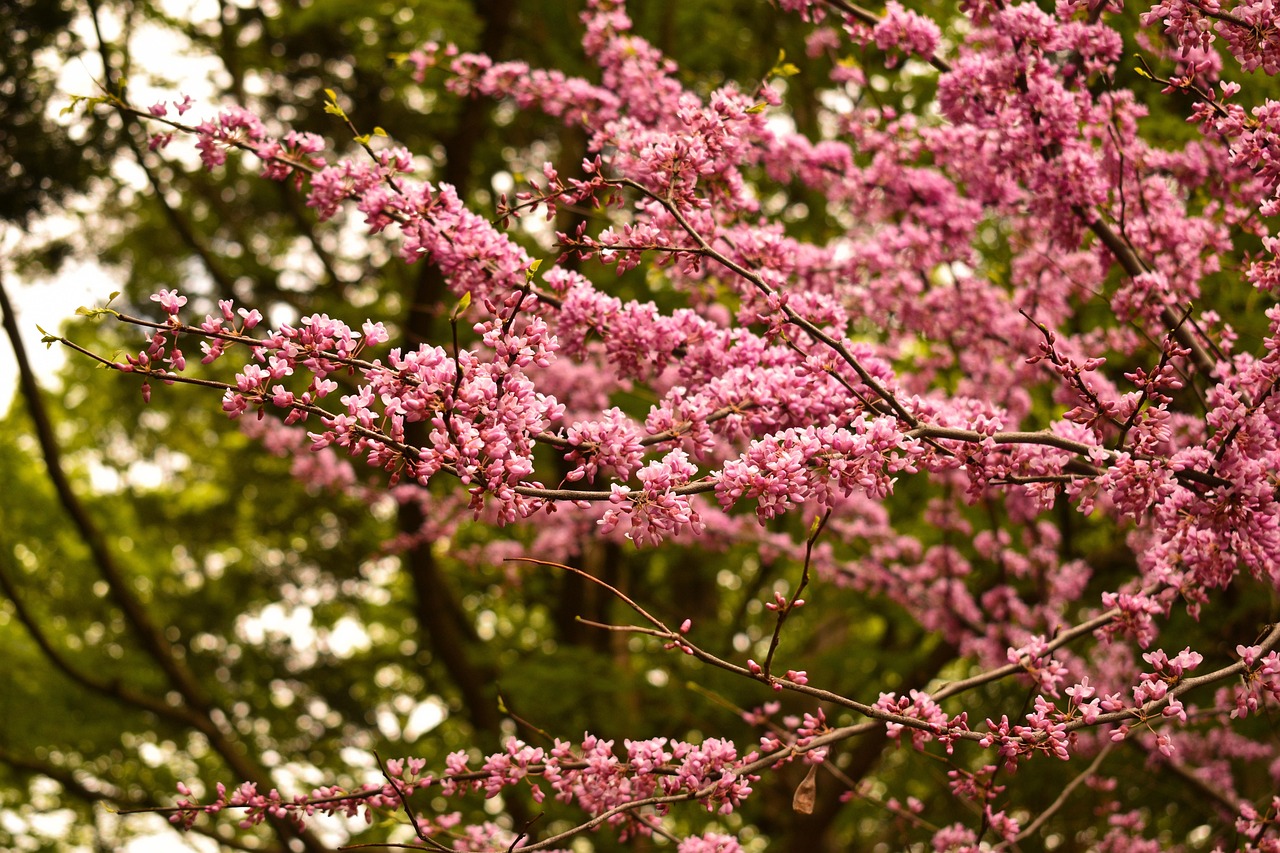
So, you’ve got an Eastern Redbud tree, or you’re thinking about getting one, and you’re wondering, when to prune Eastern Redbud trees? It can feel a bit scary to take clippers to your beautiful tree, but a little bit of smart pruning goes a long way. Getting the timing right is super important for keeping your Redbud healthy and looking good. We’ll go over the best times to prune, what to look for, and how to make sure your tree thrives for years to come. Don’t worry, it’s not as hard as it seems.
Key Takeaways
- The best time to prune Eastern Redbud trees for general shaping is in late winter or early spring, before new leaves appear.
- Always remove any dead, damaged, or diseased branches as soon as you notice them, no matter the season.
- Avoid doing any major pruning in the fall, as this can stress the tree and make it more vulnerable to damage in winter.
- When pruning, aim to thin out the canopy to allow for better air movement and sunlight, which helps the tree stay healthy.
- For young trees, focus on structural pruning to help them develop a strong shape from the start.
Pruning Eastern Redbuds: Why Timing Matters
Timing is everything when it comes to pruning the Eastern Redbud tree. It’s not just about when you have the time; it’s about understanding the tree’s growth cycle and how your cuts will affect its health and appearance. Pruning at the wrong time can stress the tree, reduce flowering, or even make it more susceptible to disease. Think of it like this: you wouldn’t want to schedule surgery right before a marathon, and the same principle applies to your redbud.
- Pruning at the right time encourages healthy growth.
- Proper timing helps maintain the tree’s natural shape.
- Strategic cuts can stimulate abundant spring blooms.
Pruning at the correct time minimizes stress on the tree. When you prune during dormancy, the tree isn’t actively growing, so it can better handle the cuts. This reduces the risk of infection and allows the tree to focus its energy on healing and new growth in the spring.
Understanding Eastern Redbud (Cercis canadensis): Tree Basics
Let’s get to know the Eastern Redbud a little better. It’s more than just a pretty face in the spring; it’s a fascinating tree with a lot to offer. These trees are native to North America and are known for their beautiful blooms and heart-shaped leaves. They’re relatively easy to care for, making them a popular choice for home gardens and landscaping.
The Eastern Redbud (Cercis canadensis) is a small to medium-sized tree known for its vibrant pink flowers that bloom in early spring.
Here’s a quick rundown of some key facts:
- Scientific Name:Cercis canadensis
- Hardiness Zones: Generally thrives in zones 4-9, but some cultivars are more cold-hardy than others.
- Size: Typically reaches a height of 20-30 feet with a spread of 25-35 feet, making it a good choice for smaller yards.
- Light: Prefers full sun to partial shade. More sun usually means more flowers.
Eastern Redbuds are relatively low-maintenance trees, but they do have some specific needs. They prefer well-drained soil and benefit from regular watering, especially when young. They’re also susceptible to certain diseases and pests, so it’s important to keep an eye on them and take action if problems arise. Proper tree care is essential for a healthy and thriving redbud.
They’re not just ornamental; they also provide value to wildlife. Bees and butterflies are attracted to the flowers, and birds enjoy the seed pods. Plus, the leaves turn a lovely yellow in the fall, adding another season of interest to your yard.
Best Time to Prune: Late Winter to Early Spring (Dormant Phase)
Okay, so when is the best time to grab those pruners and get to work on your Eastern Redbud? The answer is pretty straightforward: late winter or early spring. I know, I know, it’s probably the last thing on your mind when it’s cold and maybe even snowy outside, but trust me on this one. This is when the tree is dormant, meaning it’s not actively growing.
Why is dormancy so important? Well, when the tree is dormant, it’s less stressed by pruning. It’s like it’s taking a nap, and you’re just giving it a little haircut. If you prune during the growing season, the tree has to work harder to heal those cuts, which can weaken it and make it more susceptible to diseases. Plus, you can see the tree’s structure much better without all the leaves in the way, making it easier to make informed pruning decisions.
Here are a few reasons why late winter/early spring is ideal:
- Reduced Stress: The tree isn’t putting energy into new growth, so it can focus on healing.
- Better Visibility: You can see the branch structure and identify any problems.
- Disease Prevention: Dormant pruning minimizes the risk of infection.
Think of it this way: pruning during dormancy is like scheduling surgery when you’re already resting. Your body (or, in this case, the tree) can recover more easily.
So, mark your calendar for late winter or early spring. Your Redbud will thank you for it.
Post Bloom Trimming: Shaping After Spring Flowers Fade
Okay, so your Eastern Redbud just put on a spectacular show of pink or purple flowers. Now what? This is a great time to do some light shaping. The window right after the blooms fade is ideal for making minor adjustments to the tree’s form. You’re not going to do any heavy-duty pruning now, but you can tidy things up a bit.
Think of it as a little haircut after a big event. You want to maintain the overall style, but maybe trim a few stray hairs. With redbuds, that means:
- Removing any spent flower stems. They’re done, and they’re just taking up space.
- Lightly shaping the canopy. If there are branches that are growing in awkward directions or crossing each other, now’s the time to address them.
- Encouraging new growth. A little trim can stimulate the tree to put out new shoots, which will help it fill out and stay healthy.
Post-bloom pruning is more about aesthetics and encouraging healthy growth than major structural changes. It’s a gentle way to guide your redbud’s development without stressing the tree too much.
It’s also a good opportunity to check for any signs of disease or pests. Catching problems early can prevent them from becoming bigger issues down the road. Remember to use clean, sharp tools to make your cuts. This will help the tree heal quickly and prevent the spread of disease. If you’re looking for species selection, make sure to choose the right one for your area.
Avoid Fall Pruning: Why Autumn Cuts Can Harm Redbuds
Fall might seem like a convenient time to tidy up your yard, but when it comes to Eastern Redbuds, putting away those pruning shears is the best course of action. Pruning in the fall can do more harm than good to these beautiful trees. Here’s why:
- Reduced Healing Capacity: As winter approaches, redbuds naturally slow down their growth and conserve energy. Cuts made in the fall have less time to heal before the cold weather sets in, leaving them vulnerable to pests and diseases.
- Increased Risk of Winter Damage: Fresh cuts are susceptible to frost damage and cracking during the freeze-thaw cycles of winter. This can weaken the tree’s structure and lead to further problems down the line.
- Attraction of Pests and Diseases: Open wounds from pruning can attract unwanted attention from insects and fungal spores that are looking for a place to overwinter. This can lead to infestations or infections that can compromise the tree’s health.
Fall pruning can disrupt the natural dormancy process of redbuds, making them more susceptible to stress and damage during the winter months. It’s best to wait until late winter or early spring when the tree is dormant but temperatures are milder.
Instead of fall pruning, focus on preparing your redbud for winter by providing adequate watering and mulching around the base of the tree to protect the roots. Save the pruning for a more appropriate time of year to ensure the health and longevity of your tree.
Removing Dead, Damaged & Diseased Wood Anytime
Okay, so you’ve got your Eastern Redbud, and you’re trying to keep it healthy. One of the best things you can do is regularly check for dead, damaged, or diseased branches. The great thing about this task? You can do it pretty much anytime you notice a problem. Unlike major pruning, which is best left for late winter or early spring, dealing with these issues is more like first aid – you want to address them as soon as possible to prevent further problems.
Prompt removal of compromised branches prevents diseases from spreading and keeps your tree looking its best.
Think of it this way:
- Dead branches are not coming back, and they can attract pests or diseases.
- Damaged branches are a hazard and can break off unexpectedly.
- Diseased branches can infect the rest of the tree if left untreated.
Ignoring these problems is like ignoring a cut on your own body. It might get infected and cause bigger issues down the road. So, grab your pruning shears and get to work!
It’s a good idea to inspect your redbud every few months, especially after storms or periods of heavy rain. Look for anything that seems out of the ordinary – broken limbs, discolored leaves, or unusual growths. When you spot something, don’t hesitate to take action. A little bit of timely pruning can make a big difference in the long-term health of your tree.
Thinning the Canopy for Better Airflow and Light
Thinning the canopy of your Eastern Redbud is like giving it a breath of fresh air. It’s all about improving airflow and letting more sunlight reach the inner branches. This not only helps prevent diseases but also encourages healthier growth throughout the tree. Think of it as decluttering – you’re removing some branches to benefit the whole.
The goal is to create a more open structure without sacrificing the tree’s natural shape.
Here’s why it matters:
- Improved Air Circulation: Reduces the risk of fungal diseases.
- Increased Sunlight Penetration: Promotes better flowering and overall health.
- Reduced Wind Resistance: Lessens the chance of branch breakage during storms.
Thinning isn’t about drastically changing the tree’s appearance. It’s more about making subtle adjustments to improve its health and vigor. Focus on removing branches that are crossing, rubbing, or growing inward. These are the ones that cause problems down the road.
It’s a good idea to step back and assess the tree from different angles as you work. This helps you see the overall effect of your pruning and make sure you’re not removing too much from one area. Remember, less is often more when it comes to thinning.
Correct Cuts: Pruning to the Branch Collar & Clean Tools
Making clean, proper cuts helps your Eastern redbud heal quickly and stay healthy. You need to know where to cut and how to keep your tools germ-free.
Always cut just outside the branch collar to let the tree seal the wound on its own.
Steps for a correct pruning cut:
- Locate the branch collar – the slightly swollen area at the base of the limb.
- Make a small undercut on the branch’s underside, about 6–12 inches from the collar.
- Saw from the top, about 1–2 inches beyond the undercut, letting the branch drop cleanly.
- Finish by trimming flush with the collar, avoiding any stub or bark tears.
Tool cleaning guide:
| Cleaning Agent | Mix Ratio | Use Case |
| Household bleach | 1 part to 9 parts water | After cutting diseased wood |
| Isopropyl alcohol (70%) | Undiluted | Between trees on the same day |
| Soapy water | As needed | Daily wipe-down before storage |
Keep your shears and saws clean and sharp. A dull blade makes ragged cuts that heal slowly and invite disease.
After you’ve finished pruning, wipe blades with a dry cloth and store tools in a dry spot. This simple routine cuts down on infections and rust, so your redbud and your gear both stay in good shape.
Structural Pruning for Young Trees: Establishing Form
When you’ve got a young Eastern Redbud, think of pruning as setting the stage for its future. It’s about creating a strong, well-shaped tree that will thrive for years to come. Don’t rush it, though. Young trees need their leaves to feed themselves, so avoid removing too much too soon.
The goal is to establish a good branch structure early on. This means selecting the main branches that will form the tree’s framework and removing any that are poorly placed or likely to cause problems later.
- Central Leader vs. Multiple Leaders: Decide if you want a single dominant trunk (central leader) or a more multi-stemmed form. Remove competing leaders if you’re aiming for a central leader.
- Branch Spacing: Ensure branches are spaced evenly around the trunk and vertically. This allows for good airflow and light penetration.
- Wide Angles: Favor branches with wide angles of attachment to the trunk. These are stronger and less likely to break under heavy snow or wind.
Think of structural pruning as an investment. A little work now can prevent major problems down the road. It’s better to make small corrections early than to try to fix a poorly formed tree later.
It’s also a good idea to remove any branches that are crossing or rubbing against each other. These can create wounds that allow pests and diseases to enter. Keep an eye out for branches that are growing inward toward the center of the tree, as these will eventually crowd the canopy. Remember to use sharp, clean tools to make your cuts, and always prune back to a branch collar or bud. This helps the tree heal properly and prevents decay. If you’re unsure about how to prune your young redbud, it’s always best to consult with a certified arborist. They can provide expert advice and guidance to help you establish a healthy, well-formed tree.
Maintenance Pruning for Mature Redbuds: When & What to Trim
As your Eastern Redbud matures, the focus shifts from establishing its structure to maintaining its health, appearance, and safety. Mature redbuds benefit from regular, but not excessive, pruning. The goal is to remove deadwood, improve airflow, and address any structural weaknesses that may develop over time. Consistent maintenance pruning will extend the life and beauty of your tree.
Think of maintenance pruning as a regular check-up for your tree. It’s about addressing small issues before they become big problems, ensuring your redbud remains a vibrant part of your landscape for years to come.
Timing is Key
The best time for maintenance pruning is still late winter or early spring, before new growth begins. This allows the tree to heal quickly and direct its energy into producing healthy new growth. You can also do some light pruning after the tree finishes flowering, but avoid heavy cuts at this time.
What to Remove
- Dead, Damaged, or Diseased Branches: These should be removed immediately, regardless of the time of year. Diseased branches can harbor pathogens that can spread to the rest of the tree, so it’s important to sterilize your pruners before and after each cut.
- Crossing or Rubbing Branches: These can create wounds that invite pests and diseases. Remove one of the branches to eliminate the friction.
- Suckers and Water Sprouts: Suckers are shoots that grow from the base of the tree, while water sprouts are fast-growing, upright shoots that emerge from the branches. Both can detract from the tree’s appearance and steal energy from the main branches.
- Weak or Narrow-Angled Branches: As mentioned earlier, branches with narrow, V-shaped crotches are prone to breakage. Remove these to prevent potential damage during storms. Redbud’s long, leggy branches are more prone to breakage, so prune annually after flowering but before foliage appears.
Addressing Specific Issues
Mature redbuds can sometimes develop specific problems that require attention. For example, they may start producing flowers directly from the trunk, or they may become overly dense with foliage. In these cases, you can selectively thin out the canopy to improve airflow and light penetration. This will not only enhance the tree’s appearance but also promote better health and vigor. If you are cutting back redbud trees to shape them, make these cuts after the trees finish flowering but before they leaf out completely.
How Much to Prune: Follow the 20–30% Canopy Rule
Okay, so you’re ready to prune your Eastern Redbud. But how much is too much? It’s a valid question! Over-pruning can stress the tree, while under-pruning might not achieve the desired results. A good rule of thumb is to stick to the 20–30% canopy rule. This means you shouldn’t remove more than 20 to 30 percent of the tree’s total foliage in a single pruning session. Think of it like a haircut – you want to trim it, not shave it all off!
This guideline helps ensure the tree retains enough foliage to photosynthesize and thrive. Remember, young trees need more foliage to support their growth, so err on the side of caution when pruning younger redbuds. Starting young allows you to control your future branch development.
Pruning is more than just lopping off branches; it’s about making informed decisions that benefit the tree’s long-term health and appearance. Taking off too much at once can set it back, especially for younger trees that need all the nourishment they can get to thicken their trunks.
Here’s a simple breakdown to help you visualize the 20-30% rule:
- Light Pruning (Up to 10%): Removing a few dead or crossing branches. Minimal impact on growth.
- Moderate Pruning (10-20%): Shaping the tree, improving airflow, and removing some diseased wood. Noticeable but not drastic change.
- Heavy Pruning (20-30%): Significant thinning, addressing structural issues, and rejuvenating older trees. Use caution and avoid annually.
Consider these factors when estimating how much to prune:
- Tree Age: Younger trees need less pruning than mature trees.
- Tree Health: Stressed or diseased trees may need less pruning to avoid further weakening them.
- Pruning Goals: Are you shaping the tree, removing deadwood, or improving airflow? The goal will influence the amount you prune.
It’s always better to under-prune than over-prune. You can always remove more later if needed, but you can’t put branches back. Keep an eye on your redbud after pruning to see how it responds, and adjust your approach in subsequent years. Remember,redbud tree pruning helps to eliminate those branches with V-shaped branch crotches.
Shaping Tips: Preserving Vase-Like Structure and Height
Okay, so you want your Eastern Redbud to look its best, right? A big part of that is keeping its natural shape. These trees are known for their vase-like form, and with a few smart cuts, you can bring that out. It’s not just about looks, either; proper shaping helps with airflow and sunlight, which keeps the tree healthy.
The goal is to enhance the tree’s natural growth habit, not fight it. Think of it like giving it a haircut that works with its style, not against it.
Here’s the thing: Redbuds tend to grow kind of wide and spread. If you don’t keep an eye on it, they can get a bit unruly. We want to encourage upward growth and maintain that nice, open center. This means removing branches that are crossing, rubbing, or growing inward. Also, watch out for suckers (those little shoots that pop up from the base) and prune them away.
Shaping a young redbud is way easier than trying to fix a mature one that’s gone wild. Start early, and you’ll have a much easier time down the road. A little bit of pruning each year goes a long way.
When it comes to height, it’s a balancing act. You don’t want a redbud that’s scraping the sky, but you also don’t want one that’s squat and stumpy. Prune the top branches to encourage lateral growth, but be careful not to overdo it. Remember the 20-30% rule – don’t remove more than that in a single season. This helps the tree maintain a good balance between root and shoot growth.
Here’s a simple guide to keep in mind:
- Remove any dead or damaged branches immediately.
- Thin out crowded areas to improve airflow.
- Encourage upward growth by pruning lower, drooping branches.
- Maintain a central leader (the main trunk) for a strong structure.
With a little attention, you can keep your Eastern Redbud looking fantastic for years to come.
Wound Care & Post-Prune Practices: Seal or Let Heal?
After you’ve pruned your Eastern Redbud, you might wonder if you should seal the cuts. It’s a common question, and the answer isn’t always straightforward. Let’s break down what to consider.
To Seal or Not to Seal: The Great Debate
For years, tree owners were told to seal every cut with a pruning sealant or wound dressing. The idea was to protect the tree from pests and diseases. However, modern arboricultural practices have largely moved away from this recommendation. Most of the time, it’s better to let the tree heal naturally.
Why Natural Healing is Often Best
Trees have their defense mechanisms. When you cut the tree starts a process called compartmentalization starts. It essentially walls off the wounded area to prevent decay from spreading. Sealants can sometimes interfere with this natural process, trapping moisture and potentially creating a favorable environment for decay.
When Sealing Might Be Considered
There are a few specific situations where sealing might be worth considering:
- High-Risk Diseases: If you know there’s a disease prevalent in your area that targets open wounds (like certain cankers), a sealant might offer some protection. However, it’s best to consult with a Gainesville, FL, tree service first.
- Cosmetic Reasons: In some cases, people use sealants for aesthetic purposes, especially on larger cuts. Keep in mind that this is purely cosmetic and doesn’t necessarily benefit the tree’s health.
- Specific Tree Species: Some tree species are more susceptible to problems after pruning than others. While Eastern Redbuds are generally resilient, it’s always good to research specific recommendations for your tree.
Post-Pruning Checklist
Regardless of whether you seal the cuts, here’s a quick checklist for post-pruning care:
- Monitor the Tree: Keep an eye on the pruned areas for any signs of disease or decay. Look for discoloration, unusual growth, or insect activity.
- Water Appropriately: Make sure the tree gets enough water, especially during dry periods. Proper hydration helps the tree recover and heal.
- Mulch Properly: Apply a layer of mulch around the base of the tree, keeping it away from the trunk. Mulch helps retain moisture, regulate soil temperature, and suppress weeds.
Remember, less is often more when it comes to wound care. Avoid excessive pruning, make clean cuts, and let the tree’s natural defenses do their job. If you’re unsure about anything, it’s always best to consult with a certified arborist.
Clean Tools are Key
Always, always, always clean your pruning tools before and after each use. This prevents the spread of disease. Use a solution of 1 part bleach to 9 parts water or rubbing alcohol. Wipe the blades thoroughly and let them air dry. Sharp tools also make cleaner cuts, which heal faster. Consider investing in a good pruning saw and some quality hand pruners.
Seasonal Checklist: When to Perform Winter, Spring, and Summer Cuts
Okay, so you’re getting the hang of pruning your Eastern Redbud. Now, let’s break down the year into seasons and figure out what kind of pruning makes sense when. It’s not a rigid schedule, but more of a guideline to help you keep your tree healthy and looking its best. Remember to use clean tools to prevent the spread of disease. You can find more information about planting native redbud trees online.
Winter Pruning
Winter is prime time for structural pruning. This is when the tree is dormant, making it easier to see its branch structure and make informed decisions about shaping.
- Remove any dead, damaged, or crossing branches.
- Thin out crowded areas to improve airflow.
- Make heading cuts to encourage branching where needed.
Spring Pruning
Spring is all about maintenance after the bloom. Once those beautiful flowers fade, it’s time for a light touch-up.
- Remove spent flower clusters.
- Shape the canopy lightly to maintain its form.
- Address any minor branch issues that become apparent after the tree leafs out.
Summer Pruning
Summer pruning is generally kept to a minimum. Avoid major cuts during the heat of summer, as this can stress the tree. However, there are a few things you can do:
- Remove any suckers that sprout from the base of the tree.
- Address any diseased or damaged branches promptly to prevent further spread.
- Lightly trim new growth to maintain shape, if needed.
Remember, these are just general guidelines. Always assess your tree’s individual needs and adjust your pruning schedule accordingly. Factors like the tree’s age, health, and growth habit will all influence the best time to prune. If you’re unsure, it’s always best to err on the side of caution and consult with a local arborist.
Troubleshooting: Handling Cankers, Branch Breakage & Disease
Okay, so your Eastern Redbud isn’t looking its best? Don’t panic! Redbuds can face a few issues, but most are manageable with some attention. Let’s walk through some common problems and how to tackle them.
Cankers: Identifying and Managing
Cankers are probably the most talked-about issue with redbuds. They appear as sunken or discolored areas on the branches or trunk. While they might look alarming, many times they’re more of a cosmetic problem than a death sentence. If the canker seems to be affecting the tree’s health, prune off the affected branches. Make sure to cut well below the canker into healthy wood. Clean your pruning tools between cuts to avoid spreading anything.
Branch Breakage: Prevention and Repair
Redbuds can be prone to branch breakage, especially if they have weak, V-shaped crotches where the branches meet the trunk. These junctions just can’t handle the weight, especially during storms. Here’s what to do:
- Structural Pruning: When the tree is young, focus on developing strong branch angles. Remove branches with narrow angles.
- Thinning: Reduce the weight on individual branches by thinning out the canopy. This lets wind pass through more easily.
- Support: If you have a branch that’s particularly heavy or vulnerable, consider providing temporary support with stakes or props.
If a branch does break, clean up the wound with a sharp saw or pruners. Make a smooth cut back to the branch collar (the slightly swollen area where the branch joins the trunk). This helps the tree heal properly.
Recognizing and Treating Diseases
Besides cankers, redbuds can sometimes get fungal diseases like mildew, leaf spots, or verticillium wilt. Good airflow is key to preventing these. Prune the tree to open up the canopy and let air circulate. If you spot signs of disease, like spots on the leaves or wilting, you can try a fungicide, but honestly, improving air circulation often does the trick. Also, keep an eye out for pests like Japanese beetles. Insecticidal soaps or oils can help manage infestations.
Keeping your redbud healthy overall is the best defense against problems. Make sure it’s planted in well-draining soil, gets enough sunlight, and isn’t stressed by drought or other environmental factors. A happy tree is a resilient tree!
Dealing with tree problems like cankers, broken branches, or sickness can be tricky. Don’t let these issues ruin your trees. Learn simple ways to fix them and keep your plants healthy by visiting our website for more tips and tricks.
Frequently Asked Questions
When is the best time to prune an Eastern Redbud tree?
The best time to trim your Eastern Redbud is usually in late winter or early spring, before new leaves pop out. This is when the tree is ‘sleeping’, and it helps the tree heal faster. You can also do some light trimming right after the flowers fade in spring.
Should I prune my Redbud tree in the fall?
It’s best to avoid trimming your Redbud in the fall. Cutting branches in autumn can make the tree weak and open to diseases or damage during the cold winter months.
Can I remove dead branches from my Redbud at any time?
Yes, you can always remove dead, broken, or sick branches from your Redbud tree at any time of the year. This helps keep the tree healthy and stops problems from spreading.
Why is pruning important for Eastern Redbud trees?
Pruning helps your Redbud grow strong and healthy. It also makes the tree look nicer, helps air move through the branches, and lets more sunlight reach all parts of the tree. For young trees, it helps them grow into a good shape.
How do I make the right cuts when pruning?
When you prune, try to cut branches back to where they meet a larger branch or the main trunk. Make clean cuts and use sharp, clean tools to avoid hurting the tree.
How should I prune a young Redbud tree?
For young Redbuds, focus on shaping the tree and removing any weak or crossing branches. This helps build a strong base for the tree as it grows.
What kind of pruning do mature Redbuds need?
For older Redbuds, you’ll mainly be removing dead or problematic branches and thinning out the canopy a bit to keep it healthy and looking good. You don’t need to prune as much as with young trees.
Do I need to put anything on the cuts after pruning?
After pruning, you usually don’t need to put anything on the cuts. Trees are good at healing themselves. Just make sure your cuts are clean and leave the tree alone to recover.
Request a Quote
Our Services