
When to Pick Mangoes Off the Tree in Florida and Store Them
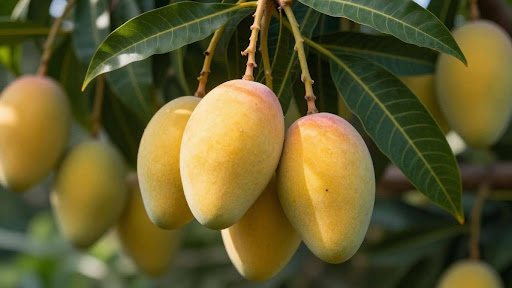
So, you’ve got a mango tree in Florida, and you’re wondering when to pick mangoes off the tree in Florida? It’s not always as simple as just grabbing the biggest one. There’s a bit of an art to it, involving your senses and knowing what to look for. Getting it right means the difference between a sweet, juicy mango and one that’s just… not quite there. Let’s figure out the best time to harvest your mangoes right off the tree in Florida.
Understanding Mango Ripeness: More Than Just Color
So, you’ve got a mango tree in Florida, and you’re wondering when to pick mangoes off the tree in Florida. It’s not always as simple as just looking at the color, though that’s part of it. You really need to use a few different senses to figure out if your mango is at its peak.
The Scent Test: A Key Indicator of Ripeness
One of the easiest ways to tell if a mango is getting close to being perfect is by its smell. As a mango ripens, it starts to give off this sweet, fruity aroma, especially around the stem end. If you don’t smell anything, or if it smells a bit sour or alcoholic, it’s probably not ready yet. A good, strong, sweet smell is usually a great sign.
The Feel Test: Checking for Softness and Give
Gently squeeze the mango. It should yield slightly to pressure, not be hard as a rock or mushy. A ripe peach or avocado is a good comparison. Too hard means it’s unripe; too soft means it’s overripe.
The Color Clues: What to Look For on Florida Mangoes
Mango color can be misleading, especially in Florida. Not all ripe mangoes are bright red or yellow; some, like Keitt, remain green. Red or orange blushes may be from sun exposure, not ripeness. Instead of color, look for a shift from dull green to a richer hue typical of the variety. Slight wrinkling can also signal ripeness, particularly post-picking.
Remember, each mango variety has its own unique ripening signals. What works for a Haden might not be the same for a Kent or a Pickering. It’s worth learning the specific signs for the types you’re growing.
When to Pick Mangoes: Timing is Everything in Florida

Knowing the right time to pick mangoes off the tree in Florida is key to enjoying their best flavor. It’s not just about when the mangoes look ripe; a few other things come into play when to pick mangoes off the tree in Florida.
Seasonal Variations for Florida Mango Varieties
Florida’s mango season (May-Oct) has staggered ripening by variety: Tommy Atkins (May-June), Haden (June-July), Keitt (Aug-Sept). Knowing this helps anticipate harvest and enjoy fresh mangoes longer.
Signs Your Mango Tree is Ready to Yield
To know when to pick, look for signs: slightly soft when squeezed (not hard or mushy), a yellow/orange/reddish blush (not green), a sweet aroma near the stem, and easy detachment with a slight twist.
Picking mangoes at the right maturity is key. Too early, and they lack sweetness/flavor; too late, and they overripen, spoil, or attract pests.
Here’s a quick rundown of what to look for:
- Feel: A slight give when gently pressed.
- Color: A shift from green to yellow, orange, or red blush (varies by type).
- Smell: A sweet, fragrant aroma near the stem.
- Ease of Removal: Detaches easily with a gentle pull or twist.
Remember, some mangoes benefit from a few days on the counter after picking to finish ripening, but getting them off the tree at the right moment sets you up for success. You can find more information on the mango season in Florida to help you pinpoint the best times.
How to Harvest Mangoes Without Damaging the Fruit

Picking mangoes from your tree is pretty straightforward, but there are a few things to keep in mind to make sure you get the best fruit without a mess.
Using the Right Tools for Picking Mangoes
For most mangoes, a gentle tug is all you need. If the fruit is ready, the stem should snap off easily. However, if the mango is a bit stubborn or your tree is tall, you might need a little help. A pair of clean pruning shears or snips can be really handy. Just be sure to cut the stem cleanly, close to the fruit. This is when to pick mangoes off the tree in Florida. This helps prevent sap from dripping onto the fruit and causing damage. Always handle your ripe mangoes with care to preserve their quality.
- Gentle Tug: Try pulling the mango first. If it comes away easily, it’s likely ready.
- Pruning Shears: For tougher-to-reach or stubborn fruits, use clean shears.
- Fruit Pickers: Long-handled fruit pickers can be useful for very tall trees, allowing you to snag the mango without climbing.
Handling Ripe Mangoes Gently
Mango sap near the stem can burn the fruit’s skin, causing dark spots and rot. To prevent this, leave about a quarter-inch stem when picking or trim it after. Then, place mangoes stem-down on a tray to drain sap away from the fruit.
Leaving a small stem prevents sapburn and spoilage. Handle ripe mangoes with care. Not all mangoes ripen at once; pick what you need and leave the rest to ripen on the branch.
Storing Your Florida Mangoes for Optimal Flavor

So you’ve got a haul of beautiful Florida mangoes, maybe more than you can eat right away. Don’t worry, there are some pretty straightforward ways to keep them tasting great. The key is to let them ripen properly before you try to store them long-term, and knowing when to pick mangoes off the tree in Florida is crucial for this.
Ripening Mangoes Off the Tree: The Countertop Method
Once picked, mangoes may need to ripen further on the kitchen counter, away from direct sunlight. Leave them at room temperature. They’re nearing ripeness when they yield slightly to a gentle squeeze and emit a sweet, tropical scent. This typically takes three to eight days, depending on initial ripeness.
- Check the feel: Give the mango a gentle squeeze. It should yield slightly, not be rock hard or mushy.
- Smell the aroma: A ripe mango will have a sweet, fruity scent near the stem.
- Observe the color: While color isn’t the only sign, look for vibrant hues. Some varieties turn yellow, red, or orange when ripe.
If you’re in a hurry to enjoy your mangoes, you can speed up the ripening process a bit by placing them in a paper bag. Just fold the top over and leave it on the counter. The bag traps some of the natural gases the fruit releases, which helps it ripen faster. Check it daily, though, so you don’t end up with overripe fruit!
Once ripe, refrigerate excess mangoes to slow ripening for a few extra days, though the texture may slightly change. Eat within days for the best flavor.
Want to keep your Florida mangoes tasting great? Proper storage is key to enjoying their sweet, tropical flavor for longer. Learn the best ways to store your mangoes so they stay fresh and delicious. Visit our website for expert tips on preserving the taste of your favorite Florida fruit!
Frequently Asked Questions
How can I tell if a mango is ripe just by looking at it?
A ripe mango often turns yellow or a mix of yellow, orange, and red, and should look plump, not shriveled.
Besides color, what other ways can I check if a mango is ready to pick?
A ripe mango smells sweet near the stem and feels slightly soft when squeezed, not mushy.
When is the best time of year to pick mangoes in Florida?
Florida’s mango season is May-Oct, with peak times varying by variety.
How do I pick a mango from the tree without hurting it?
Gently tug the mango. If ripe, it detaches easily. If stuck, leave it longer. Leave a small stem piece to prevent sap leakage.
Can I ripen mangoes after picking them from the tree?
Yes, ripen most mangoes on your counter. They usually take a few days to reach perfect sweetness and softness.
How should I store mangoes once they are ripe?
To slow ripening, refrigerate ripe mangoes for a few days. For the best flavor, eat them soon after counter-ripening.
Request a Quote
Our Services


